Europe faces a six-week countdown to grounded flights as the Iran war chokes off oil supplies, exposing dangerous dependence on Middle East energy routes that politicians have ignored for decades.
Story Snapshot
- International Energy Agency warns Europe has only six weeks of jet fuel reserves remaining due to Strait of Hormuz blockage
- Iran war has halted oil tanker movements through the critical chokepoint that handles 20-30% of global oil trade
- European refineries remain offline without crude imports, with alternative Asian sources requiring three-plus weeks to restart
- Flight cancellations could begin immediately after reserves deplete, disrupting tourism, business travel, and cargo operations
Critical Energy Chokepoint Blocked by Iran Conflict
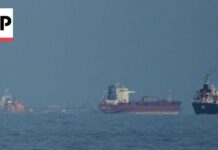
The Strait of Hormuz closure amid escalating Iran war has severed Europe’s primary crude oil artery, leaving the continent’s aviation industry on life support. International Energy Agency Executive Director Fatih Birol delivered the stark warning during an April 16, 2026 interview at IEA headquarters in Paris, stating Europe has approximately six weeks of jet fuel stocks before flights begin getting canceled. The narrow waterway, which normally channels 20-30% of global oil trade, remains completely blocked with stranded tankers unable to deliver crude to European refineries. This represents an unprecedented energy security crisis, far exceeding previous Hormuz tensions in 2019 or pandemic-era disruptions that never threatened total supply cutoffs.
Refinery Restart Timeline Compounds Supply Crisis
European refineries have shut down operations entirely without incoming crude shipments, creating a complex restart challenge even if the Strait of Hormuz reopens tomorrow. Energy analyst Patrick De Haan emphasizes that alternative refineries in China and India face significant logistical hurdles: two-plus weeks for transit time plus one additional week to ramp up production. Refineries require guaranteed crude stockpiles before justifying the costly restart process, making spot oil purchases impractical for solving the immediate crisis. The kerosene-based jet fuel production chain reveals Europe’s profound vulnerability to geopolitical conflicts, a dependency conservative critics have warned about for years while liberal energy policies pushed away from domestic fossil fuel production and energy independence.
EUROPE: 6 WEEKS LEFT OF JET FUEL
FLIGHT CANCELLATIONS LOOM
LUFTHANSA TO CUT CAPACITY
SPIRIT CRUSHED; RISKS IMMINENT COLLAPSE— Citizen Watch Live (@Citizenwatchrep) April 17, 2026
Aviation Industry Faces Imminent Operational Collapse
Airlines and airports across Europe confront potential mass cancellations within six weeks, devastating the travel and logistics sectors. Birol’s warning that “some of the flights might be canceled” understates the cascading economic impact on tourism, business travel, and air freight operations. European carriers have no alternative fuel sources to maintain normal operations once reserves deplete. The crisis exposes how vulnerable the aviation industry remains to supply chain disruptions, despite years of talk about resilience and diversification. Passengers planning summer travel face uncertainty, while cargo operations critical to just-in-time manufacturing could grind to a halt, rippling through the broader European economy already struggling with energy costs and inflation.
Government Failures Enabled Preventable Crisis
This looming disaster reflects exactly what frustrated citizens on both left and right have complained about for years: government elites failing to protect basic economic security. European leaders pursued renewable energy mandates while neglecting strategic petroleum reserves and refinery capacity, leaving the continent hostage to Middle East conflicts. The IEA can issue warnings, but bureaucrats lack enforcement power to restart refineries or reopen shipping lanes. Meanwhile, EU energy ministers and diplomatic officials scramble for solutions that should have been addressed decades ago through energy independence policies. Both conservative advocates of domestic fossil fuel production and liberal supporters of energy security find common ground in recognizing this governmental incompetence, though they differ on solutions.
Long-Term Energy Security Questions Emerge
The six-week jet fuel crisis forces uncomfortable questions about Europe’s energy future beyond immediate aviation concerns. If the Iran war persists, Europe faces pressure to accelerate alternative fuel development or diversify refinery partnerships, though both require years of investment. Global oil market volatility will likely spike as other regions compete for limited supplies from operational refineries. This situation demonstrates that renewable energy policies, however well-intentioned, cannot yet replace fossil fuel infrastructure for aviation, exposing the gap between political promises and practical reality. American observers should note this cautionary tale: energy dependence on unstable foreign suppliers and inadequate domestic production capacity creates national security vulnerabilities that no amount of diplomatic maneuvering can quickly resolve when conflicts erupt.
Sources:
IEA: Europe will run out of jet fuel in six weeks unless tankers move, refineries restart
Europe has 6 weeks of jet fuel left, energy agency warns
IEA: Europe will run out of jet fuel in six weeks unless tankers move, refineries restart