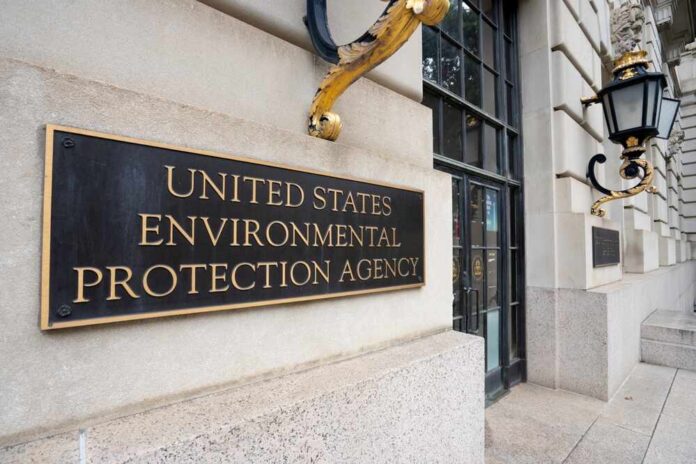
EPA Administrator Lee Zeldin urges climate skeptics to “celebrate vindication” after repealing the cornerstone of 16 years of federal climate regulations, delivering a massive win against government overreach.
Story Highlights
- Trump EPA revokes 2009 endangerment finding, eliminating legal basis for greenhouse gas regulations under Clean Air Act.
- Zeldin calls repeal “single largest deregulatory action in American history,” projecting $1.3 trillion in taxpayer savings.
- First EPA chief to speak at climate-skeptic conference, validating long-held doubts about climate alarmism.
- Ends emission standards for vehicles from 2012-2027, freeing consumers from costly mandates.
Repeal Ends Obama-Era Climate Mandate
EPA Administrator Lee Zeldin announced the revocation of the 2009 endangerment finding on February 12, 2026. This Obama-era determination claimed six greenhouse gases endangered public health, enabling EPA regulation of vehicle and power plant emissions for 16 years. The Trump administration’s action removes this legal foundation under the Clean Air Act. Zeldin frames the move as common-sense deregulation, prioritizing American workers over fear-mongering policies. Consumers gain lower car prices without forced efficiency standards.
Zeldin’s Direct Message to Skeptics
Lee Zeldin told climate skeptics to “celebrate vindication” after the repeal, validating their resistance to what he calls “climate change religion.” He stated predecessors pleased “fear-mongering climate alarmists” while ignoring reality. Zeldin defends the decision as legally required, arguing prior administrations exceeded EPA authority. This marks the first time an EPA leader speaks at a climate-skeptic conference in April 2026, signaling a shift from elite-driven policy to practical governance.
Huge Economic Relief for Americans
The administration projects over $1.3 trillion in savings by eliminating compliance costs and consumer choice restrictions. Fossil fuel companies face reduced burdens, boosting energy sector competitiveness. Automakers produce vehicles without federal GHG penalties for model years 2012-2027 and beyond. Trump champions this as historic deregulation benefiting all Americans through affordable energy and vehicles. It counters past overspending on unproven renewable mandates that drove up costs.
Stakeholders React to Policy Shift
Climate skeptics hail the repeal as proof against exaggerated threats, emphasizing fossil fuels’ role in lifting billions from poverty. Environmental groups warn of health risks, though based on the same contested science now challenged. Fossil fuel interests and consumers stand to gain most from regulatory relief. Public frustration grows with federal overreach on both sides, as elites prioritize agendas over working families pursuing the American Dream.
Legal experts note potential challenges, with courts scrutinizing if the repeal hinges on science denial rather than law. EPA insists the action is purely legal. This precedent questions how future leaders might reverse scientific findings, highlighting deep state influences over founding principles of limited government.
Broader Implications for Energy Independence
Coal and oil gain advantage over renewables, spurring domestic production and lowering energy costs. Reduced incentives for green tech align with America First priorities, rejecting globalist climate pacts. While opponents predict climate instability, the repeal restores individual liberty from bureaucratic control. Both conservatives weary of woke policies and liberals distrusting elites see this as government failing everyday citizens.
Sources:
The New Lede: Citing climate alarmists
WFTV: Zeldin tells climate skeptics
E&E News: Why EPA might purge climate skepticism
Baptist News: In a first, EPA leader to speak at climate-skeptic conference