
President Trump declared Iran “in very bad shape” and “very desperate” following a marathon 21-hour negotiation session that exposed the Islamic Republic’s dire military and economic condition, yet ended in failure as Tehran refused to abandon its nuclear weapons ambitions and reopen the vital Strait of Hormuz.
Story Snapshot
- Marathon 21-hour U.S.-Iran peace talks in Pakistan collapsed over Iran’s refusal to abandon nuclear program and reopen Strait of Hormuz
- Trump announced immediate U.S. Navy blockade of Strait of Hormuz to counter Iranian mines and shipping tolls on critical oil route
- President revealed negotiations exposed Iran’s decimated military condition and economic desperation despite continued nuclear defiance
- Global oil markets face disruption as Strait handles one-fifth of world petroleum shipments, threatening higher energy prices for American consumers
Failed Peace Talks Expose Iranian Desperation
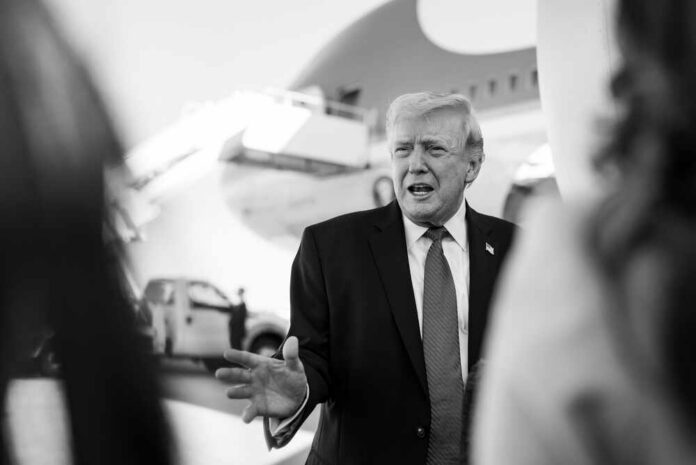
President Trump addressed reporters at Joint Base Andrews on April 12, 2026, revealing details from an intensive 21-hour negotiation session with Iranian representatives in Pakistan. The unprecedented marathon meeting provided American officials with deep insights into Iran’s deteriorating position following the ongoing U.S.-Israeli military campaign. Trump characterized Iran as desperate and emphasized that despite progress on most issues, Tehran’s intransigence on nuclear weapons and the Strait of Hormuz ultimately doomed the talks. The failed negotiations underscore a critical reality: Iran’s regime appears willing to risk complete economic collapse rather than abandon its nuclear ambitions, raising questions about whether diplomacy can resolve this standoff.
Navy Blockade Targets Iranian Extortion Tactics
Following the talks breakdown, President Trump announced a U.S. Navy blockade of the Strait of Hormuz, the narrow waterway through which approximately 20 percent of global oil shipments pass. Iran had closed the Strait, laying sea mines and imposing tolls on ships attempting passage—tactics Trump characterized as extortion on Truth Social. The President vowed to “blow to hell” any forces attacking American demining operations, signaling a focused escalation rather than full-scale war resumption. This move reflects American naval superiority countering Iran’s asymmetric warfare strategy, though it risks further destabilizing global energy markets already strained by Middle East tensions.
Nuclear Stalemate Threatens Regional Stability
The core issue preventing agreement remains Iran’s determination to develop nuclear weapons capability despite its weakened military position. Trump stated unequivocally that “Iran will not have a nuclear weapon” and warned that Iranian civilization “will die” without capitulation to U.S. demands. This stark language reveals the administration’s unwillingness to accept any outcome that leaves Tehran’s nuclear infrastructure intact, a position that resonates with conservatives who view nuclear proliferation in hostile hands as an existential threat to American security and regional allies like Israel. The standoff highlights how failed diplomatic solutions increasingly leave military options as the only path forward, regardless of the economic consequences Americans may face at the gas pump.
Representative Mike Turner defended Trump’s clarity on Iran policy goals, while critics point to shifting rhetoric from earlier reluctance about Middle East involvement to current ultimatums. The Iranian negotiating team cited lack of trust in American commitments as a barrier to agreement, though this claim rings hollow given Tehran’s documented pattern of violating international agreements. Iran’s refusal to abandon nuclear weapons while its military is “gone,” as Trump described it, suggests the regime prioritizes survival through deterrence over economic recovery for its suffering population—a calculation that may prove catastrophic if American resolve holds firm.
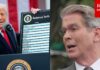
PRESIDENT TRUMP: "I think Iran is in very bad shape. I think they're very desperate. We had a meeting that lasted 21 hours. We understand the situation better than anybody. And Iran is in very bad shape."
"And just so you understand, Iran will not have a nuclear weapon." pic.twitter.com/ZtOsHC8JFI
— Fox News (@FoxNews) April 13, 2026
Economic Fallout Threatens American Consumers
The Strait of Hormuz crisis threatens immediate economic consequences for American families already frustrated by years of energy price volatility caused by previous administrations’ renewable energy mandates and geopolitical mismanagement. Trump acknowledged oil prices may rise as the blockade disrupts shipping, though he framed this as temporary pain necessary to break Iranian leverage over global energy markets. This situation exposes the vulnerability created when America’s energy policy becomes entangled with foreign conflicts rather than prioritizing domestic production and energy independence. The broader concern remains whether government officials in Washington—on both sides of the aisle—have the political will to see this strategy through when constituents face higher costs, or whether they’ll prioritize reelection prospects over national security imperatives that demand steadfast commitment regardless of short-term economic discomfort.
Sources:
‘Leo should get his act together’: Trump attacks Pope over Iran comments – Middle East Eye