A suspicious package threatens the safety of Joint Base Andrews, igniting concerns over national security.
Story Highlights
- A package with ‘white powder’ and political propaganda was opened at Joint Base Andrews.
- The incident led to the evacuation of buildings and deployment of emergency teams.
- No hazardous substances were detected, and all affected individuals were released in stable condition.
- The incident underscores ongoing security challenges at critical military installations.
Incident at Joint Base Andrews Raises Security Concerns
On a seemingly ordinary Thursday afternoon, a package containing white powder and political propaganda was opened at Joint Base Andrews, a crucial U.S. military facility in Maryland. The incident, which involved multiple individuals falling ill, triggered a swift response from first responders and HAZMAT teams. As a result, the affected building and adjacent areas were evacuated to ensure the safety of all personnel. Initial tests conducted on the suspicious substance fortunately revealed no hazardous materials, allowing for the safe release of all affected individuals in stable condition.
Watch: At least 7 sick after suspicious package delivered to Joint Base Andrews
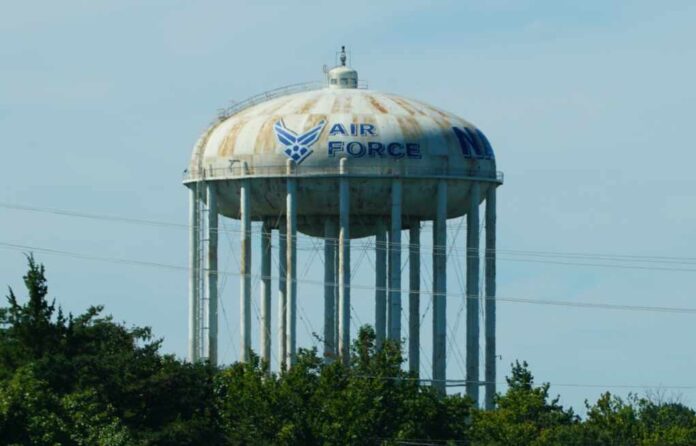
This incident took place at the Air National Guard Readiness Center of Joint Base Andrews, home to Air Force One and key national defense assets. The presence of political propaganda in the package raises questions about the sender’s motives, highlighting potential ideological underpinnings. While initial field tests have shown no presence of hazardous materials, the room where the package was opened remains closed as investigations continue. This event draws attention to the heightened security protocols necessary at such high-profile military installations.
Seven people hospitalized after package with ‘white powder’ opened at Joint Base Andrews
Source: The Guardian https://t.co/rgtt1yMtyG— Keeper @ GTBS PRO LLC (@gtbsprollc) November 7, 2025
Historical Context and Security Protocols
Joint Base Andrews, located near Washington, D.C., has historically been a target for suspicious packages due to its strategic importance. The 2001 anthrax attacks have left a lasting impact on how such threats are perceived and handled. Current protocols for suspicious mail have been stringent, yet the appearance of propaganda alongside the white powder suggests a new dimension of threat. Military and government facilities continue to face challenges in maintaining security amidst a politically polarized climate.
Lessons from past incidents, such as the 2001 anthrax attacks, have informed the rapid response and thorough investigation into suspicious substances. Security experts emphasize the importance of preparedness and caution, especially when critical infrastructure is involved. While some may argue against overreacting due to the absence of hazardous materials, the symbolic targeting of military assets cannot be overlooked, warranting a continued vigilant approach to security.
Ongoing Investigation and Future Implications
As the investigation into the Joint Base Andrews incident continues, the focus remains on determining the origin and intent behind the package. The Department of Defense and law enforcement agencies are working collaboratively to ensure the safety of base personnel and to prevent any recurrence of such events. This incident may prompt a review of mail handling protocols at military facilities, increasing scrutiny of incoming packages.
The broader implications of this event include heightened awareness of non-traditional threats, such as those involving psychological and propaganda elements. The ongoing investigation is likely to influence future security policies, reinforcing best practices for handling suspicious packages across military and government sectors.
Sources:
Seven people hospitalized after package with ‘white powder’ opened at Joint Base Andrews