President Trump warns that Iran’s “partial” reopening of the Strait of Hormuz is not what America agreed to—and the world’s energy lifeline is too important for games.
Quick Take
- Trump says Iran is not meeting ceasefire terms that required a “complete, immediate, and safe” reopening of the Strait of Hormuz.
- The White House says Iran gave private assurances the strait is reopened, even as reports indicate ships still face Iranian permission rules.
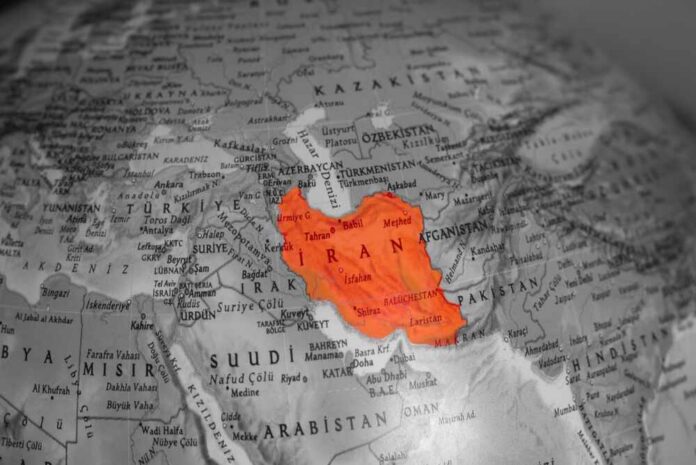
- Roughly one-fifth of global oil flows through Hormuz, so even limited interference can rattle fuel prices and supply chains.
- Iran’s public demands—sanctions relief, enrichment rights, and greater control over the strait—complicate the ceasefire’s credibility.
Trump’s Red Line: “Open & Safe” Means Fully Open
President Trump publicly criticized Iran on April 9 for what he described as dishonorable and inadequate compliance with a two-week ceasefire agreement tied to the Strait of Hormuz. The administration’s stated position is simple: the waterway must be “OPEN & SAFE,” not conditionally accessible. The dispute matters because Hormuz is a strategic choke point; if Iran can slow or screen traffic, it can pressure global markets without firing a shot.
Trump’s messaging followed a fast-moving sequence earlier in the week. Reports describe a Tuesday deadline in which the U.S. warned Iran to reopen the strait by a set time or face strikes, with back-channel communications involving Pakistan as a mediator. A ceasefire deal was reached hours before the deadline, but the public narrative quickly fractured: the U.S. emphasized immediate reopening, while Iran released a separate multi-point plan outlining demands that went well beyond shipping access.
Conflicting Claims: Private Assurances vs. Public Restrictions
White House Press Secretary Karoline Leavitt said public reports about ongoing problems were false, citing private Iranian assurances that the strait had reopened immediately. At the same time, reporting referenced in live coverage indicated Iran’s navy still required ship permissions even after traffic began to tick up. That gap—between what officials say was promised privately and what shippers reportedly face in practice—is the core question markets and allies will watch.
Iran’s public posture adds to the uncertainty. Iranian leadership signaled it viewed the ceasefire as a diplomatic win and paired the truce with demands such as sanctions relief, recognition of enrichment rights, and leverage over the strait’s governance. Those demands may play well for domestic audiences in Tehran, but they also make the ceasefire harder to interpret. If reopening becomes conditional on side concessions, then the “open sea lanes” principle becomes negotiable—and that is exactly what Washington is rejecting.
Why Hormuz Is a Flashpoint Conservatives Should Track
The Strait of Hormuz has long been a pressure point, with tensions dating back decades and repeatedly flaring during periods of sanctions and regional conflict. About 20% of global oil moves through the strait, making it a real-world test of whether the U.S. can protect critical commerce without drifting into another open-ended conflict. For Americans already frustrated by inflation and high costs, energy disruptions abroad often show up quickly at home as price spikes.
Economic Stakes: Oil Volatility and the Risk of “Tolls”
Markets react sharply to any sign of disruption, and reports indicated oil prices fell on signals that the strait was reopening. Yet some coverage also raised the prospect of a fee or “toll” structure tied to transits, including discussion of revenue-sharing arrangements. This does not confirm a final system, but even the suggestion underscores why “open & safe” has to be defined clearly. A toll regime can function like a blockade by another name.
Where the Ceasefire Goes Next Amid a Wider Regional War
The ceasefire’s two-week window leaves little room for confusion. Hormuz dispute alongside ongoing Israel-Hezbollah-Lebanon hostilities and competing accusations of ceasefire violations. In that environment, mixed signals are dangerous: one side claims compliance, the other sees conditions and restrictions, and each can blame the other for escalation. Americans should treat sweeping claims cautiously and focus on verifiable outcomes—like whether ships transit freely without permissions.
President Trump Blasts Iran Terror Regime for ‘Very Poor Job’ and ‘Dishonorable’ Conduct on Strait of Hormuz Oil Flow – “That Is Not the Agreement We Have!” https://t.co/OR2GtgF5Y3 #gatewaypundit via @gatewaypundit
— tim fucile (@TimFucile) April 10, 2026
For the Trump administration, the political logic is straightforward: protecting navigation and energy flows is a core state function, and any deal that leaves Iran able to throttle commerce invites future coercion. For critics, the concern is that brinkmanship can spiral. The facts show real contradictions—private assurances versus reported operational controls—so the key test is measurable: if shipping truly becomes routine and unrestricted, the ceasefire holds; if not, the standoff returns fast.
Sources:
https://www.foxnews.com/live-news/trump-iran-deadline-israel-hormuz-april-7