
New York City’s mayor says he will disband a 600‑officer police unit that handles protests and terrorism, but has not shown what will replace it.
Story Snapshot
- Mayor Zohran Mamdani plans to dissolve the NYPD Strategic Response Group (SRG).
- City Hall says protest response will be separated from counterterrorism duties.
- Supporters cite civil liberties; critics warn about losing surge capacity for crises.
- Key replacement details, timelines, and metrics remain unclear.
What the Mayor Says Will Change
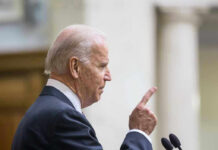
Mayor Zohran Mamdani and his team say the city will disband the New York City Police Department’s Strategic Response Group and split protest response from counterterrorism. A City Hall spokesperson stated the administration will separate those functions, matching a pledge Mamdani made earlier and repeated since taking office. He argues a unit built for terror threats should not police First Amendment activity. His office says more details are coming, but has not released a full reorganization plan yet.
The proposal follows years of complaints about the Strategic Response Group’s protest tactics from civil rights groups and some City Council members. Backers point to bills like the Communities United to Reject Brutality Act, which aim to restrict or eliminate the unit’s role at demonstrations. Advocacy groups say the unit grew far beyond its original scope and that crowd-control methods escalated tensions during past protests. The administration frames the change as rights-focused restructuring, not a retreat from public safety.
What the Police and Critics Argue
The New York City Police Department describes the Strategic Response Group as a critical asset for large events, parades, and civil disorder, and says it provides surge personnel when crime spikes or emergencies hit. The department says the unit mobilizes for shootings, bank robberies, missing-person cases, demonstrations, and other major incidents. Critics warn that removing a specialized, citywide response group without a ready substitute could slow reaction times during fast-moving threats.
Reports describe the Strategic Response Group as roughly 600 officers with training across counterterrorism and crowd control. Moving or breaking up that workforce will require careful planning so skills and communications do not get lost in the shuffle. One council member warned the city could simply recreate the same team under a new name, which would raise doubts about real reform and could frustrate both supporters and opponents of the change.
The Missing Plan and Why It Matters
City Hall has not released who will take over protest policing, how counterterrorism tools will be staffed, or how command will work during large demonstrations or sudden threats. No public schedule, performance targets, or training standards have been provided. That gap invites pressure from both sides. Supporters want evidence that protest rights will improve. Opponents want proof that response speed and safety will not drop when crowds turn volatile or when emergencies overlap across the city.
Research on protest response warns that heavy gear and aggressive tactics can harden crowds and make conflict worse, which supports a push to recalibrate how officers engage demonstrations. But research alone does not design an operations chart or a 911 playbook. New Yorkers will judge results on the street: clear lines of command, trained officers for different missions, and reliable measures of success. Without that, trust will erode, and people across the spectrum will see more politics than public service.
Sources:
foxnews.com, nyclu.org, yahoo.com