

Democrats won control of both the House and Senate on November 3, and within hours, one winner’s declaration that Democrats would “rip ICE apart” set the tone for what comes next.
Story Snapshot
- Democrats flipped both chambers of Congress after voters cited high prices, the Iran war, and government corruption as top concerns.
- House Democratic leader Hakeem Jeffries named healthcare and affordability as Day One priorities, including restoring Affordable Care Act subsidies.
- A Fox News segment captured Democratic winners describing a broader agenda that included remarks about Immigration and Customs Enforcement (ICE) and ending the Iran war.
- A slim majority and a Republican president mean the party’s boldest promises face real obstacles before becoming law.
Voters Hand Democrats The Gavel
Voters delivered a sharp rebuke to Republican governance on election night, giving Democrats control of both the House and Senate. The Associated Press reported the shift came as Americans wrestled with high prices, frustration over the Iran war, and ongoing worries about government corruption. The result ends unified Republican control in Washington and resets the balance of power heading into 2027.
House Democratic Leader Hakeem Jeffries moved quickly to frame the party’s opening moves. He said Democrats’ first priority would be lowering costs for groceries, gas, and housing. Part of that plan includes restoring expired Affordable Care Act premium subsidies and reversing close to $1 trillion in Medicaid cuts, according to reporting on the party’s legislative agenda. The focus signals an effort to connect directly with voters’ pocketbook concerns.
The ICE Comment Draws Attention
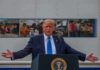
A Fox News segment titled “We will rip ICE apart” captured Democratic winners laying out a progressive agenda that included tougher scrutiny of immigration enforcement, alongside calls for universal healthcare and an end to the Iran war. The clip quickly became a flashpoint, with the phrase itself doing much of the work in shaping how the agenda is being discussed. The available reporting does not identify the exact speaker or provide a bill matching that language.
Separately, Representative Lauren Underwood Budzinski told CNBC that Democrats should move to undo policies tied to the Iran war, reflecting a broader party push to treat the conflict as a legislative target rather than just a talking point. ABC News reporting similarly summarized Democratic promises to act on ending the war, though specific legislative mechanics, such as a war-powers resolution or funding restriction, have not yet been detailed publicly.
Big Promises, Narrow Path
Turning campaign promises into law is harder than winning an election. Research on how media cover campaign pledges shows that promises are often reported as a mandate, even when the institutional path to passing them is unclear or blocked entirely. That gap between rhetoric and legislative reality is central to understanding what happens next in Washington.
Ending the Iran war, for instance, is not simply a matter of a congressional vote. Under the War Powers Resolution, a president is generally required to end U.S. involvement in hostilities within 60 days unless Congress authorizes continued action, but presidents across decades have pushed back against that limit, and the Trump administration has argued it does not strictly apply. Congress holds the constitutional power to declare war, but modern presidents have repeatedly acted without seeking that authorization.
Democratic control of Congress does not guarantee Democratic policies become law. President Trump remains in office with veto power, and the election results do not show any agreement from the administration on healthcare expansion, ICE restructuring, or ending the Iran war. A narrow majority adds another obstacle. Senator John Fetterman has shown a willingness to break from his party on key votes, a reminder that even unified control carries risk of internal defection.
What Comes Next
The months ahead will show whether Democrats can turn election-night promises into actual bills, votes, and signed laws. Healthcare subsidies and Medicaid restoration appear to have the clearest legislative path so far. Whether “rip ICE apart” and “universal healthcare” become formal policy, or remain campaign-season rhetoric, depends on committee assignments, floor votes, and a Republican president who controls the veto pen.
Sources:
facebook.com, politico.com, apnews.com, nbcdfw.com, 6abc.com