
Alaska voters approved Measure 3 by almost 70%, locking “citizens only” into state law even as officials said the rule already existed.
Story Snapshot
- Measure 3 passed about 70% to 30%, confirming strong voter support for citizen-only voting.
- The measure clarifies wording to say only United States citizens may vote; officials said qualifications do not change.
- Backers said the result affirms citizenship as a core voting standard; critics called it redundant.
- Debate now shifts to access and administration, including rural registration concerns raised by lawmakers.
What Alaskans Decided And By How Much
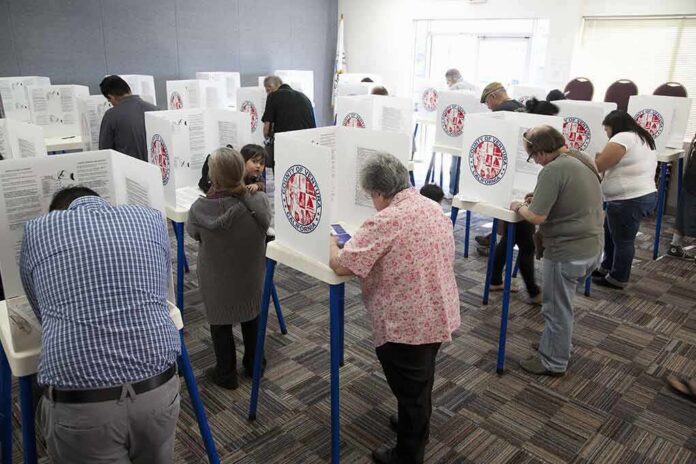
Alaska voters approved Ballot Measure 3 with 142,991 votes in favor and 62,336 against, a margin of 69.6% to 30.4%, with the race called on November 4, 2026. The vote capped a campaign that drew national attention. Supporters framed the change as a basic guardrail for elections. The result fits a wider trend of states adopting citizen-only wording by large margins in recent years, often as a public signal of trust and identity rather than a major legal shift.
The text change moves Alaska law from saying a person who may vote is a citizen to saying only a United States citizen may vote. The Alaska ballot pamphlet described the measure as specifying that only citizens who meet other requirements may vote. Alaska Public Media reported that the Department of Law said the measure does not change voter qualifications, which already required citizenship for registration and voting. That is why several outlets described the step as clarifying rather than transforming policy.
Why Backers Pushed A Clarification
Former state lawmakers led the sponsor group Alaskans for Citizen Voting. They argued clear words reduce confusion and affirm a shared standard. John Coghill, a former state senator, said passage affirms that citizenship is a fundamental qualification for voting in Alaska elections. Supporters linked the measure to national disputes over election rules. They said the law should be explicit to avoid future attempts to open local elections to noncitizens, even if current practice already blocks that.
Outside money also boosted the campaign. The Anchorage Daily News reported large backing from a national donor who has funded similar efforts in other states, totaling more than eight hundred thousand dollars for signature gathering and outreach. That funding matched a national pattern where well-funded groups advance parallel ballot language in several states at once. The money helped a simple message reach voters across Alaska’s vast geography despite a lack of organized opposition.
Why Critics Called It Redundant Or Risky
Journalists and state officials said the vote does not change how Alaska runs elections because citizenship was already required under state and federal law. Alaska Public Media reported that the Department of Law reviewed the measure and concluded it would not alter who is eligible to vote. Critics argued the change could confuse people into thinking noncitizen voting had been legal. Some also warned that focus on a nonproblem can sap attention from issues like access and election staffing.
State Representative Alyse Galvin argued the measure was redundant and said tightened checks had already led the Division of Elections to remove more than three thousand voters from the active list until they proved citizenship. She said that step created fear among some new citizens and added hurdles for people with limited documents. Those points echoed a wider debate in other states, where citizen-only votes pass easily even as audits and research find small numbers of noncitizen voting incidents.
The Rural Access Clash And What Comes Next
Alaska’s distance challenges drove the sharpest access warnings. Alaska Public Media reported concerns that in-person proof rules tied to federal proposals could burden remote residents in places off the road system, where travel to a Division of Elections office can take multiple flights. Critics said any future push for stricter, in-person checks should plan for mobile teams, secure mail options, or expanded local partners so rural Alaskans do not get sidelined by distance.
alaska just voted to require citizenship to vote. common sense shouldn't need a ballot measure.
— Grant Hayes (@TheGrantHayes) November 6, 2026
Next steps will focus on administration, legal guidance, and possible lawsuits. The state will update materials to reflect the clarified words. Reporters and advocates will watch whether the new language appears in court cases or policy memos and whether it changes how challenges, removals, or restorations occur. The core takeaway is simple: voters delivered a clear cultural statement about who should vote, even as Alaska’s election rules largely continue as before.
Sources:
thegatewaypundit.com, alaskabeacon.com, nytimes.com, alaskapublic.org, nbcnews.com, ipm.org, stateline.org