
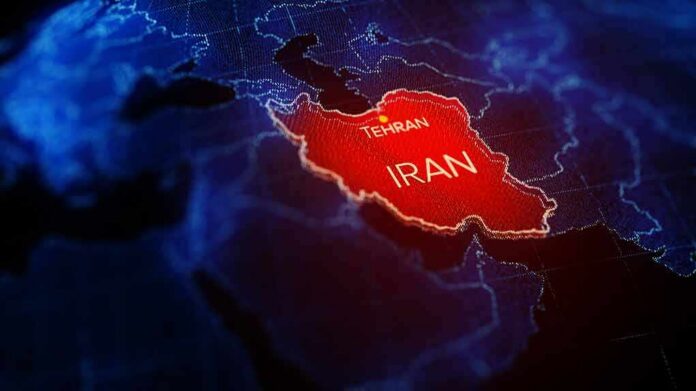
U.S. Central Command created a new task force to choke Iran’s weapons and cash flows on land and across the Caspian Sea, pushing the blockade beyond the water.
Story Snapshot
- CENTCOM formed Task Force Iron Gate to target Iranian overland and Caspian routes.
- The unit will focus on advanced weapons, dual-use tech, sanctioned goods, and illicit revenue.
- About 20 civilian and military staff will run the effort from Tampa, Florida.
- Leaders say the goal is to limit Iran’s ability to rebuild and rearm.
What CENTCOM Announced And Why It Matters
U.S. Central Command (CENTCOM) stood up Task Force Iron Gate to block Iran’s movement of advanced weapons, dual-use technology, sanctioned materials, and illicit money across its land borders and the Caspian Sea. Command leaders tied the move to a larger pressure campaign that began at sea. They said the aim is to cut supply lines that support Iran’s military and regional proxies. Officials framed the task force as a way to close gaps left by a maritime-first approach.
Adm. Brad Cooper said deeper work with other U.S. agencies would limit Iran’s ability to finance terrorism, rebuild factories, and restock its forces. That statement signals a shift from chasing single shipments to breaking networks that move goods and money. The approach mirrors how sanctions have changed over time. It focuses on front firms, brokers, and payment chains that hide the true buyer and end use, rather than only stopping containers at ports.
How Iron Gate Will Operate And Where It Sits
Reports say Iron Gate will be based in Tampa, Florida, and include roughly twenty personnel from the military and the civilian workforce. CENTCOM described it as an interagency hub that coordinates with other parts of the U.S. government. The task force will look beyond the Persian Gulf to land crossings and the Caspian Sea, which links Iran to Russia and nearby states. That geographic focus suggests a plan to watch rail, road, and short-sea routes that can bypass naval patrols.
The task force’s mix of targets shows why a team approach is needed. Advanced weapons and dual-use parts often move through layers of traders, freight forwarders, and shell companies. Illicit revenue can flow through exchange houses, cutouts, and third-country banks. Past cases show Iran has long used such methods, including triangular trade and front companies, to keep supplies and money moving under sanctions pressure. A planning cell that shares data quickly can help spot those links sooner.
Strategic Stakes Across Land And Caspian Corridors
Expanding pressure to land and Caspian routes aims to reduce Iran’s options when ships face tighter checks. The Caspian Sea connects Iran to Russia and Central Asia, creating shorter paths for restricted goods to travel under different flags and rules. Targeting these paths could raise costs and delays for sensitive cargo. CENTCOM has also described broader strikes and pressure on Iran’s military industry this year, underscoring a campaign to limit production and resupply capacity.
What is Task Force Iron Gate?
• About 20 CENTCOM civilian and military staff in Tampa
• Will coordinate with other agencies to disrupt weapons, dual-use tech and sanctioned trade across Iran’s land borders and the Caspian Sea
• Enforcement details weren’t specified— Augerton (@AugertonDigest) November 7, 2026
The plan also fits a wider U.S. playbook that focuses on networks, not just shipments. Government and expert reporting over many years has detailed how Iran uses layered supply chains, shell firms, and alternative finance channels to get what it needs despite sanctions. By mapping those links and working with agencies that control designations, seizures, and criminal charges, Iron Gate could speed actions that disrupt entire lanes, not just one convoy.
What We Know And What We Do Not
Published reports provide core facts: the task force’s name, mission, Tampa location, and approximate staffing; the target list; and leadership’s stated goal to constrain Iran’s financing and military rebuild. The reports do not list specific authorities, partner agencies, or early results. That is common when a unit first stands up. The coming months will show whether public sanctions notices, seizures, or court filings credit Iron Gate with network hits tied to land or Caspian corridors.
CENTCOM (Nov 7): Adm. Brad Cooper stood up Task Force Iron Gate — ~20 staff in Tampa — to choke Iran weapons routes over land and the Caspian. Same release: the naval blockade already blocked >$25B in Iranian crude. Sea worked. Now the land routes.
— Hold the Line West (@HoldTheLineWest) November 7, 2026
Sources:
facebook.com, reuters.com, bloomberg.com, ynetnews.com, centcom.mil