
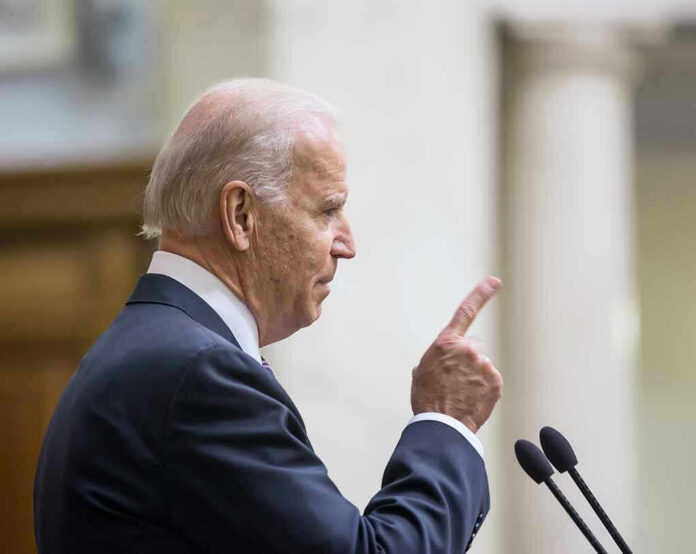
Joe Biden said cancer treatment is forcing him to scale back public events, a rare, direct health update that spotlights how much the public must rely on carefully chosen disclosures from national figures.
Story Snapshot
- Biden said treatment sometimes “slows me down” and he will do fewer memoir events.
- He said doctors are encouraged by his response to therapy, tempering fears of decline.
- Reports identify aggressive prostate cancer treated with radiation and hormones.
- Cancer treatment often causes fatigue that limits daily activity, especially in older men.
Biden Links Reduced Public Events To Ongoing Cancer Treatment
On November 8, 2026, Joe Biden said he would limit appearances for his new memoir while continuing cancer treatment. He wrote that “some days are better than others” and that treatment “slows me down,” adding he would not do as many book conversations as planned. The post came as he promoted Promise Me, America. His note offered a plain explanation for fewer events and set a clear boundary for what he can do in public while he focuses on his health.
NBC News reported the scale-back the next day, quoting the same language and framing it as a concrete schedule change tied to treatment. Other outlets described the illness as aggressive prostate cancer treated with radiation and hormone therapy, which can drain energy and reduce stamina. Biden also said his doctors were encouraged by his response to treatment, which suggests the slower pace reflects side effects and recovery needs rather than proof of new disease spread at this time.
What The Medical Literature Says About Cancer Treatment And Fatigue
National Cancer Institute materials say radiation therapy often causes fatigue and can limit activity during treatment for many patients. That side effect can persist for weeks and may ebb and flow day by day. When hormone therapy is also used, the combined effects can compound tiredness and affect concentration and mood. For an older adult balancing travel, events, and media interviews, these routine side effects can make a full promotional tour unrealistic without more rest and lighter scheduling.
Doctors often advise patients to pace activity, plan breaks, and cut back when fatigue peaks. Biden’s decision to reduce appearances fits that advice. It also aligns with his own words that some days are harder. The public may see this as decline, but the clinical picture is more modest and practical: treatment can work while still forcing limits on daily life. That is common with many cancers and therapies and does not itself prove worsening disease.
Public Schedules, Privacy, And Trust In Leaders’ Health Updates
Major political figures choose how much health information to release. There is no rule that forces full records into the open. That long pattern creates a tension between privacy and public interest. People want to understand a leader’s capacity. Leaders want medical privacy. Biden’s brief note shows both forces at once: he gave a reason for a lighter schedule, but he did not release scans, lab values, or detailed charts to map his condition day by day.
That gap can frustrate citizens across the spectrum. Many believe elites protect themselves while regular people face hard truths and hard choices. Health disclosures fit this larger story of selective sharing. Yet in this case, the basic facts are direct and consistent: he is in treatment, he experiences fatigue, and he is cutting back on events. The statement also makes clear that his doctors see signs of a good response, which adds a measured note to public concern.
How The Memoir Context Shapes The Message
The announcement arrived in the middle of a book rollout. That timing matters. It explains fewer appearances while keeping attention on the memoir release. Media reports cited the same language from his post and did not add fresh clinical data, which can make coverage feel repetitive without changing the core facts. The practical effect is the same either way: audiences should expect fewer live events and more selective public moments while he manages treatment and recovery.
Joe Biden says he did not know he had prostate cancer while president and would not have sought reelection in 2024 if he had known. Diagnosed after leaving office, he is receiving treatment and says his doctors are encouraged by his response.https://t.co/nCLM33peu8
— Substrate News (@substratenews) November 11, 2026
For readers trying to make sense of the news, two points stand firm. First, Biden himself tied a lighter schedule to treatment and fatigue. Second, reliable medical guidance says these side effects are normal with radiation and hormone therapy and can disrupt travel and performance. Those facts support the change in plans. They do not prove a sharp decline. In a time when trust in government is low, clear, simple facts help. Here, the simple facts are doing most of the work.
Sources:
inquirer.com, bloomberg.com, rte.ie, misinforeview.hks.harvard.edu