

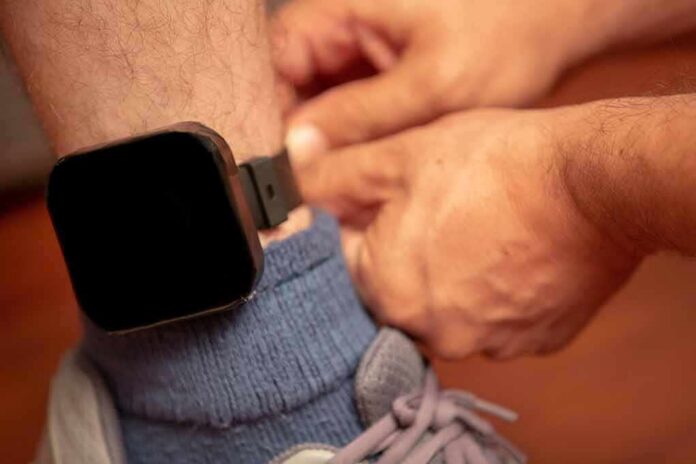
A federal judge removed a terror suspect’s ankle monitor to accommodate his school job and marriage, while prosecutors warned he remains a public-safety and flight risk.
Story Snapshot
- A judge ended GPS ankle monitoring for defendant Korkaya but kept other limits in place.
- Defense cited burdens on teaching, coaching, prayer, and newlywed life under curfew.
- Prosecutors argued he used counter-surveillance and posed flight and obstruction risks.
- No written order explaining the judge’s reasoning is publicly available yet.
What the Court Changed and What Stayed
Wisconsin Law Journal reported that, on November 3, 2026, the judge removed Korkaya’s ankle monitor and lifted his curfew so he could work full-time as a fifth-grade teacher and soccer coach at Salam School. The court kept other limits, including holding his passport, so this was not full release from supervision. Federal prosecutors had urged the court to keep monitoring in place due to public-safety concerns tied to the underlying case and alleged threats.
Defense lawyers said the monitor interfered with daily school duties and prayer and blocked normal married life after his May 2026 wedding. Salam School’s executive, Othman Atta, wrote that players hit the bracelet during scrimmages and that the device was visible during Muslim prayers even with long pants. Counsel also said curfew ended evening outings and a honeymoon, though the court still held his passport, which limits any travel abroad regardless of the monitor.
Why Prosecutors Objected
The United States government earlier appealed the initial decision to release Korkaya, arguing he was a serious flight risk and a risk to obstruct justice or threaten witnesses. Prosecutors argued he had used police scanners and turned off his cellphone during the alleged conduct, which made cellphone tracking a weak substitute for an ankle monitor. They said those acts showed a willingness and ability to evade digital tracking, which raised concerns if the device came off.
Coverage of the government’s filings described further claims about risk. Reports said prosecutors pointed to a Turkish passport, talk of travel to Brazil, and statements that he did not plan to return to Michigan, all framed as flight-risk factors. Reporting also summarized alleged messages that discussed violent ideas against University of Michigan leaders and homes, which the government cited as evidence of danger to the community. These are allegations, not proven facts at trial.
What We Still Do Not Know
The public record lacks the judge’s written findings from the November 3 hearing that explain why the ankle monitor was no longer needed. Reporting describes the change but does not include a transcript or order on flight risk, obstruction, or the sufficiency of the remaining limits. That gap leaves the public leaning on summaries from both sides and media framing, instead of a clear court analysis of why less restrictive conditions now fit the case.
The defense points to work duties, prayer, and marriage as real burdens. But the record shared so far shows letters and attorney claims rather than detailed employment policies, schedules, or attendance records that prove the job was impossible with the monitor. The honeymoon and evening-out claims also lack sworn details from the spouse in what is publicly available, and the passport hold already blocks international travel.
How This Fits the Bigger Picture
Federal courts use electronic monitoring to lower jail time before trial while protecting public safety. Yet national research on whether these devices improve court appearance or reduce crime is limited and mixed. That leaves judges to balance two truths at once. The device can feel harsh and intrusive for work, worship, and family life. At the same time, removing it can raise fear for victims and the public when a case involves alleged threats or violence.
Many Americans on the right and left see a justice system that too often fails both safety and fairness. This case touches both worries at once. Some will see the ruling as grace for work and marriage. Others will see leniency for a defendant accused of serious threats. Without the judge’s full reasoning, trust depends on faith in a system many feel serves the well-connected more than regular people. That credibility gap is the country’s growing problem, not just this one case.
Sources:
wislawjournal.com, nordicmonitor.com, dailywire.com, blabber.buzz, eu.detroitnews.com