

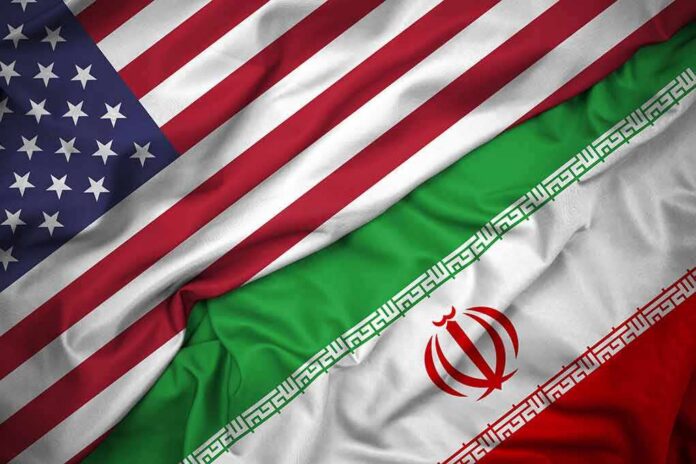
Iran’s president vowed “immediate” compliance with June’s war-ending memorandum if the United States restores its commitments, reviving a fragile path away from open conflict.
Story Snapshot
- Iran’s President Masoud Pezeshkian pledged instant reciprocity if Washington honors the June memorandum.
- Tehran accuses the United States of breaching key clauses on sanctions and strikes, fueling the breakdown.
- The memorandum expired after weeks of mutual violation claims and stalled talks.
- Ambiguity on sequencing and verification made the deal easy to fray and hard to fix.
What Pezeshkian Said and Why It Matters Now
President Masoud Pezeshkian said Iran will “immediately” match United States steps if Washington returns to its June commitments. He tied Iran’s action to the memorandum’s exact language and insisted the path is open if the United States moves first. The message signals Tehran still sees value in the agreement’s core trade: stop fighting, ease sanctions pressure, and reopen channels. The timing matters because the ceasefire window has closed, and both sides need a concrete off-ramp.
The pledge also reflects a long pattern in United States–Iran talks. Leaders in Tehran frame reciprocity to protect domestic support while leaving room to act if Washington delivers. United States administrations often stage relief to keep leverage. When texts leave sequencing fuzzy, each side claims it already complied or that the other side failed first. This cycle raised the risk that the June deal would unravel without a shared yardstick for what counts as “compliance.”
How the June Memorandum Broke Down
Iran’s Foreign Ministry said the United States “fundamentally violated” most provisions, pointing to reported strikes on Iranian sites and the rollback of oil sanctions relief as proof that the memorandum was made inoperative. Tehran also argued that new attacks breached the first clause ending hostilities on all fronts, including along the coast and transit lines. These claims set the tone in July and framed Iran’s stance as conditional on visible steps by Washington to reverse course.
By mid-August, the memorandum expired amid stalled talks and weeks of mutual accusations. Reporting noted that neither side showed willingness to extend the deal as distrust deepened and tit-for-tat actions grew. The collapse followed the classic failure points: unclear timelines, no joint compliance ledger, and pressure to show strength to domestic audiences. Without a lockstep plan—what to lift, what to halt, and when—the narrow ceasefire corridor closed fast.
What “Return to Commitments” Would Likely Mean
Restoring commitments would mean halting strikes tied to the frontline freeze and moving on agreed sanctions steps in a set schedule, especially around oil exports and shipping lanes. Iran points to sanctions actions as a clear breach; it wants relief to be real and bankable before it moves. The United States prefers staged relief to keep options if security or nuclear issues worsen. Both positions are common in past deals and clash without hard sequencing.
The narrow path forward would require a synchronized swap: verifiable stop to hostilities, time-bound sanctions steps with clear triggers, and third-party verification that both sides can accept. Small, fast deliverables could test trust before bigger moves. If leaders cannot agree on who moves first, a parallel-day one package—each step paired and recorded—may be the only way to stop another slide back to strikes and counterstrikes.
Why Americans Across the Spectrum Should Care
United States families face the fallout when Middle East tensions spike. Oil markets react. Shipping costs rise. Inflation creeps. Voters left and right see a pattern: leaders promise order but deliver chaos, while agencies and entrenched interests manage crises, not solutions. A simple, verified deal that stops attacks and stabilizes energy flows would help workers, drivers, and small businesses. It would also show that government can solve a hard problem without endless spending or war.
Tehran Ready for Nuclear Deal Compliance if US Honors Commitments: Pezeshkianhttps://t.co/XDlO3HfHqq
Read full update in Comment#IranUSRelations #Pezeshkian #TheCOWNews
— The COW News (@COWNewsOfficial) September 1, 2026
Skeptics on the right fear any accord that frees Iran’s revenue without ironclad limits. Skeptics on the left fear a military drift that buries diplomacy. Both are right to demand strict verification and clear timelines. Pezeshkian’s offer sets a test: can Washington and Tehran lock a concrete, mutual step that people can see and measure? If yes, pressure eases. If no, the cost lands on ordinary citizens while elites argue over process.
Sources:
insiderpaper.com, npr.org, gulfnews.com, arabnews.com