
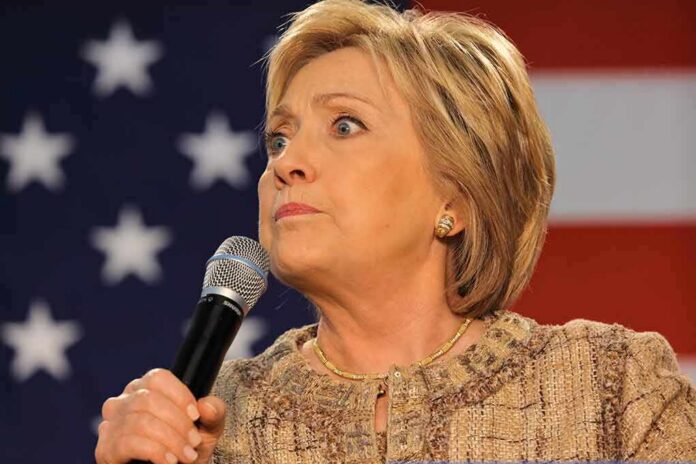
Hillary Clinton warned on national television that President Trump could “lash out” if Democrats win back Congress, sharpening fears about hardball tactics around voting and oversight.
Story Snapshot
- Clinton told The View that a Democratic sweep could make Trump “more out of control.”
- She argued a Democratic Congress would have leverage to hold the White House to account.
- Reporting flagged unresolved questions about federal agents near polling places.
- Some Texas counties cut polling sites, raising risks of long lines and confusion.
What Clinton Said On The View
On November 2, 2026, Hillary Clinton said on ABC’s The View that if Democrats win both the House and the Senate, President Trump could become “even more out of control,” feel “cornered,” and “lash out.” She tied her warning to the idea that a new Democratic majority would gain leverage to check the administration through Congress. Entertainment and television outlets captured her exact phrasing and timing from the broadcast, which focused on the midterm stakes and likely reactions.
Clinton also argued that institutions still matter when power shifts in Washington. She said a Democratic win would let lawmakers press for answers and use formal tools to demand records and testimony. Coverage summarized that framing as an accountability push if control of Congress changes hands. The statements did not lay out a specific step the White House would take, but they set a clear expectation of a tougher fight between the branches should Democrats prevail in both chambers.
Federal Presence At Polls And Election-Day Frictions
Separate reporting the same week examined possible friction points around voting. ProPublica noted the administration had not explicitly ruled out a federal presence at polling places or actions involving ballots or machines. A Department of Homeland Security spokesperson said Immigration and Customs Enforcement was not planning operations targeting polling sites, while keeping a carveout for safety threats. That mix of signals kept questions open about how federal activity might look on Election Day.
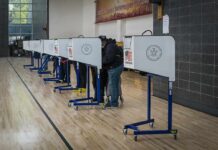
ProPublica also documented changes that could stress local voting. In Texas, election officials reduced the number and location of polling places in some areas. Tarrant County cut sites by almost one-third, which can produce longer lines, confusion about where to vote, and transportation burdens for working families. Those changes do not prove interference. They do show how administrative choices can raise the odds of crowding and delay that frustrate voters and feed mistrust if problems stack up.
Why This Matters Across The Political Spectrum
Election disputes often move in steps: sharp words, pressure on administrators, courtroom fights, and, in rare cases, fights over certification. Legal scholars describe election subversion risks as real but linked to rules and institutions that can still work when tested. Clinton’s warning fits the first stage, where rhetoric shapes public expectations and signals how parties may use the tools they control, like hearings, subpoenas, and messaging. That pattern helps explain why early signals draw outsized attention.
Both conservatives and liberals see a government that often fails basic tasks. Many worry about powerful insiders looking out for themselves first. This story taps that shared concern. One side fears heavy federal hands near the vote. The other fears pressure that chills voters or muddies counting. The facts reported so far show live policy questions and known stress points, not a single plan. That is exactly why clear rules, transparent actions, and fast communication on Election Day matter for trust.
What To Watch Next
On Capitol Hill, watch whether any post-election majority moves to open focused oversight on election operations and federal guidance. In the executive branch, watch for written directives about polling-place conduct, ballot security, and rapid response to threats. At the local level, track wait times, machine outages, and site closures. Small breakdowns can snowball into bigger doubts. When officials share data early and often, they cut rumors and help people of all views see the same facts.
Hillary Clinton Calls Out Matthew McConaughey Over Midterm Election Warning https://t.co/4BsuKqUD3P via @@YahooNews
— Bethany Swanson (@BethanyBinder) October 27, 2026
For voters, plan ahead: verify your polling place, check hours, and bring needed identification under state rules. For officials, post real-time updates, staff backup lines, and keep law enforcement visible but not intrusive near voting sites, consistent with the law. For Congress, if control changes, use hearings to clarify guardrails without turning process into theater. Simple steps taken now can avoid longer fights later, and they respect citizens who just want their vote to count.
Sources:
themirror.com, news.meaww.com, tvinsider.com, yalelawjournal.org