
Agents moved within hours after a Daytona Beach woman allegedly posted a direct threat to shoot President Trump at his rally.
Story Snapshot
- Investigators say an Instagram post threatened to shoot President Trump at a Daytona rally the next day.
- Secret Service agents and local detectives identified the account and made an arrest.
- The woman admitted posting it but claimed it was a joke; no gun was found in a home search.
- Officials emphasized zero tolerance for threats during a high-security presidential visit.
What Investigators Say Happened
Local news reported that a Daytona Beach woman posted on Instagram about going to President Trump’s rally to shoot him with a named handgun, citing the next day’s event window. Law enforcement said the post listed a target, a method, and the rally context. The event was scheduled at the Ocean Center in Daytona Beach. The Federal Bureau of Investigation (FBI) notified local authorities, and agents with the United States Secret Service joined detectives on the case.
Investigators identified the account and went to the woman’s residence. According to reporting, she admitted she made the post but said it was a joke and that she did not plan to harm anyone. Detectives reported a consensual search of the home found no firearm, ammunition, or shooting gear. Despite the lack of a gun, officers arrested her on a felony count for written threats to kill. She was booked on that charge, signaling officials treated the post as actionable.
Security Setting Around the Trump Rally
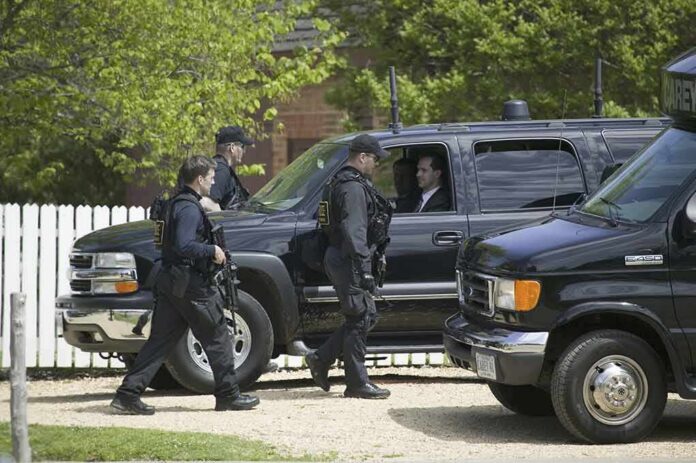
President Trump’s Daytona Beach stop drew heavy security planning and traffic alerts. Local outlets described road closures and a large law enforcement presence around the Ocean Center tied to the visit. Agencies coordinated to manage crowds and protect the venue. That high-alert posture raised the stakes for any posts suggesting violence. Officials said they would not ignore even online threats, given the near-term timing and the named target in a crowded setting.
Volusia County Sheriff Mike Chitwood has pushed a firm stance on violent threats in past cases. The sheriff’s office has highlighted prior arrests in online death-threat investigations, framing them as deterrence and public safety efforts. That history shows a pattern of fast action when posts single out public officials. In this case, the sheriff’s message aligned with the rapid move by detectives and federal agents to locate the poster and make the arrest.
How The Law Sorts Speech From “True Threats”
The Supreme Court set a key rule in Counterman v. Colorado. The Court said a threat can be punished when it expresses a serious intent to commit unlawful violence, but prosecutors must prove the speaker at least recklessly ignored a real risk that the words would be taken as a threat. That means officers can act on probable cause to prevent harm, while a later trial must prove the required mental state under the First Amendment standard.
BREAKING: Daytona Beach woman arrested after posting threat to shoot President Trump at rally
21-year-old Allison Jeanne Albro of Daytona Beach was arrested after allegedly posted a selfie on Instagram with the caption: “Going to the trump rally in my city tmr so I can shoot him… pic.twitter.com/GCcd1wJcnU
— The Facts Dude 🤙🏽 (@Thefactsdude) October 30, 2026
This Daytona case shows that split. Police moved fast based on a specific post tied to a real event, a real person, and near-term timing. Reporters say the woman told investigators it was a joke, and officers found no gun at her home. Those facts may matter later in court. For now, the arrest reflects a clear message from authorities: when a public figure visit draws tight security, a direct online threat will bring a knock at the door.
Sources:
twitchy.com, wftv.com, clickorlando.com, x.com