
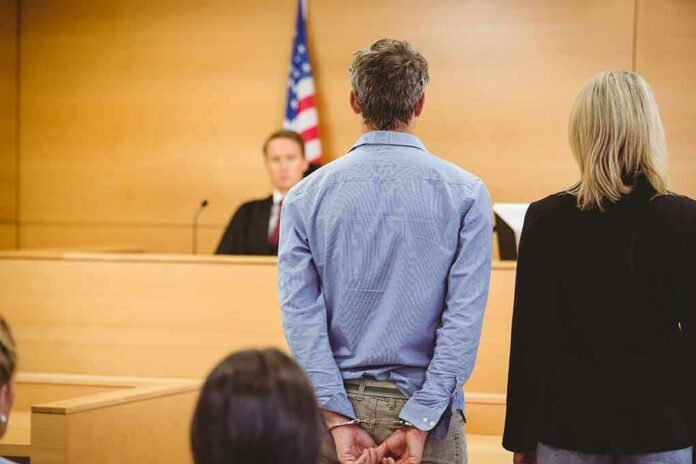
A two-time Jeopardy! champion now faces ten felony counts tied to child sexual exploitation in North Carolina, with a judge denying bond after his arrest.
Story Snapshot
- Arrest warrant lists ten counts for alleged possession of child sexual abuse images and videos.
- Court records tie the alleged offenses to November 19, 2025.
- Wake County booking followed by a no-bond ruling at an initial hearing.
- The case surfaces months after a felony secret-peeping guilty plea and probation.
Warrant Alleges Ten Counts Based on Images and Videos
Wake County authorities arrested Philip “Joey” DeSena on October 23, 2026, on ten counts of second-degree sexual exploitation of a minor. Reporting that cites an arrest warrant says the counts stem from allegedly possessing or duplicating images and videos of children estimated to be ages 7 to 15. The documents describe ten separate counts for alleged sexual exploitation under North Carolina law. The warrant is central to the case now moving through district court in Raleigh.
Court summaries published by several outlets state the alleged offenses are tied to a single date, November 19, 2025. That timestamp fixes the accusations to a specific point in time rather than a broad window. Prosecutors often rely on dated activity when charging possession or duplication crimes. The alleged date will likely guide any forensic timeline that investigators or defense experts present in future hearings or at trial if the case advances beyond preliminary stages.
Booking, First Appearance, and No-Bond Decision
Jail records show DeSena was booked in Wake County and brought before a judge on October 26, 2026. Reports from that hearing say the court denied bond. A no-bond ruling in an exploitation case signals the judge’s concern about risk or compliance while the case proceeds. The court’s decision keeps the defendant in custody as the district attorney reviews the file and considers next steps, which can include grand jury action or plea talks.
Published accounts say the judge noted that the alleged possession occurred while DeSena was on a probation term from an earlier felony case. That earlier case involved a guilty plea to two felony counts of secret peeping and a sentence of supervised probation. A new criminal charge during probation can trigger a separate violation process and potential revocation, which can run alongside the new criminal case in court.
Prior Case Context and Probation Implications
Records described by multiple outlets state that DeSena pleaded guilty in mid-2026 to two felony secret-peeping charges after investigators said he installed cameras without consent. The court imposed a 60-month probation term rather than prison time. The new Wake County charges arrive only months later, creating legal risk on two fronts: the fresh felonies and any claimed violation of probation conditions tied to the earlier judgment.
Probation supervision in the United States often ends when people commit new crimes rather than only technical slip-ups. Research describes “criminal violations” as a major driver of revocations, which can send people to prison even before a new case concludes. That pattern explains why courts take new allegations during supervision so seriously at bond hearings and revocation reviews.
Media Spotlight and Presumption of Innocence
National coverage has emphasized DeSena’s Jeopardy! status, which raises attention but can blur key lines in early reporting. Academic studies warn that media often present allegations as established facts, which can harm the presumption of innocence before any trial. This case has not produced a conviction on the new charges, and the arrest-warrant account remains an allegation until the court admits evidence and a judge or jury weighs it.
NEW: A two-time Jeopardy champion in North Carolina has been arrested again less than three months after a judge spared him prison time and put him on probation.
Now a judge has denied his bond and locked him in the Wake County Jail.
According to an arrest warrant obtained by… pic.twitter.com/zpqKVziw1T
— i SeeRacists 🐐 | Breaking News (@SeeRacists) October 27, 2026
High-profile crime stories often move faster than the legal process. The key legal questions ahead are straightforward: where investigators say the files were found, how they link control to the defendant, and what shows knowing possession on the charged date. The court will address those issues through filings, hearings, and, if needed, a trial. Until then, the charges stand, the bond remains denied, and the probation status could change based on court rulings.
Sources:
facebook.com, wjla.com, wmbfnews.com, tvinsider.com, oxygen.com, nature.com