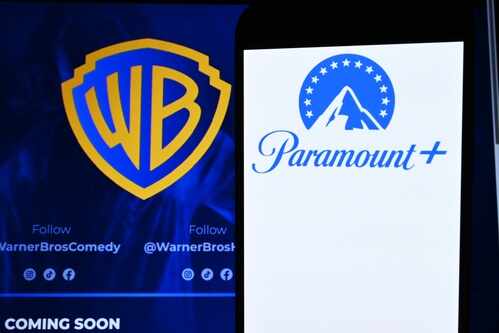
As Washington waves through a $110 billion Hollywood mega-merger, a group of states is gearing up to drag Paramount and Warner Bros. Discovery into court, arguing the deal hands too much power to one entertainment giant.
Story Snapshot
- Several states, led by California and New York, are preparing an antitrust lawsuit to block Paramount Skydance’s takeover of Warner Bros. Discovery.
- The United States Department of Justice says the merger will not harm competition and has formally closed its investigation.
- Consumer plaintiffs and thousands of Hollywood workers warn the deal could mean higher prices, fewer choices, and lost jobs.
- The clash shows how different parts of government can reach opposite conclusions while ordinary people feel squeezed between giant corporations and distant regulators.
States move to stop the Paramount–Warner Bros. super merger
California and New York officials are leading a coalition of states that plan to sue to block Paramount Skydance’s planned acquisition of Warner Bros. Discovery. Reports describe up to ten attorneys general involved, including states such as Colorado, Connecticut, Massachusetts, Oregon, Pennsylvania, and Tennessee, all focused on antitrust concerns in media and entertainment. These state leaders say the merger would shrink real competition in streaming, cable, and movie production, making it easier for one huge company to control prices and limit choices for viewers.
California Attorney General Rob Bonta has already signaled strong concern, describing the merger as full of “red flags” and sharply criticizing federal approval. New York Attorney General Letitia James is reported to be reviewing the deal as well, with both offices gathering data on how the merger could affect local jobs, production, and consumer prices. People inside Paramount Skydance expect these lawsuits and reportedly start each day assuming states will file soon, showing how serious the threat has become for the company’s plan.
Washington signs off as states and consumers push back
While the states prepare to fight the deal, the Antitrust Division of the United States Department of Justice has already cleared it. After a full investigation, the division said the merger is “not likely to result in harm to competition or American consumers” in streaming, traditional television, or theatrical movies. Federal officials even argued that a combined Paramount–Warner Bros. could *increase* competition by standing up better to larger streaming platforms, and they found no clear sign that the deal would reduce how many movies and shows get made.
This federal green light has angered critics who feel Washington is too cozy with big media companies. Many Americans across the political spectrum already believe the federal government listens more to corporate lobbyists and wealthy donors than to regular citizens. This case fits that fear: in their view, federal regulators trust a giant merger to fix market problems, while states and consumers are left to raise alarms after the fact. The result is a confusing split, where one arm of government blesses the deal and another rushes to court to stop it.
Hollywood workers and viewers warn about prices and jobs
The lawsuit threat is not coming only from state officials. A group of streaming subscribers filed a federal antitrust case in California to block the Paramount–Warner Bros. deal and unwind Skydance’s earlier takeover of Paramount Global. They argue the merger will lead to higher prices, fewer shows and films, and worse service across streaming, news, and theaters, all in violation of antitrust laws that are supposed to protect competition. Their complaint paints a picture of viewers stuck with fewer real options while one company gains more power over what gets made and how it is distributed.
Inside Hollywood, more than 5,500 filmmakers, actors, and other workers have signed an open letter against the merger, warning it could cost jobs and reduce the variety of stories on screen. They worry that when two historic studios combine, executives will cut staff, close projects, and focus only on safe, blockbuster content. Paramount Skydance has pushed back hard, calling these fears “heavy on rhetoric” and claiming the deal raises no serious antitrust issues. That sharp divide shows how little trust there is between creative workers, giant studios, and the officials who are supposed to referee them.
Part of a bigger battle over who really protects competition
This fight fits a wider trend: state attorneys general are using the Clayton Act and their own state laws to challenge mergers even after federal agencies say yes. In recent years, coalitions of states have gone to court to block deals in television, health care, and other industries, and in at least one big broadcast case they won a preliminary injunction that stopped further integration after a merger had already closed. States argue they are closer to local businesses and workers, and that they see harms that broad federal models can miss.
For many Americans, that raises a deeper question: if both federal and state officials claim to protect competition, why do they keep reaching opposite answers while huge mergers sail forward? Conservatives angry about “globalist” elites and liberals worried about corporate power can both see this case as proof that the system serves the biggest players first. Ordinary viewers just want fair prices and real choices, yet they now have to hope that distant judges, battling regulators, and giant studios somehow land on a deal that protects them.
Sources:
feedpress.me, nypost.com, reuters.com, upi.com, mashable.com, reddit.com, duanemorris.com, omm.com