A naked man’s 200‑plus‑foot leap from the top of the Brooklyn Bridge, after planting foreign flags, has become another viral symbol of a system that reacts to crisis but rarely prevents it.
Story Snapshot
- A 44-year-old man climbed the Brooklyn Bridge’s north tower, stripped naked, planted multiple flags, and jumped into the East River.
- New York Police Department (NYPD) Emergency Service officers tried to talk him down, but Harbor Unit officers ended up pulling him from the water alive.
- Police say he was taken to Bellevue Hospital in stable condition and later identified as Galymzhan Abaildayev, facing several criminal charges.
- The dramatic jump shut down a major piece of public infrastructure and fed public anger over security, mental health, and government priorities.
What Happened on the Brooklyn Bridge
On Sunday afternoon, around 2:30 p.m., a 44-year-old man climbed the north tower of New York City’s Brooklyn Bridge on the Manhattan side, carrying a backpack and several flags. Police and multiple outlets say he attached more than one flag to the bridge structure before removing all his clothes and standing naked near the top of the tower, high above drivers and pedestrians. Witnesses recorded video as traffic slowed and authorities moved in, turning the bridge into a public stage for a dangerous stunt.
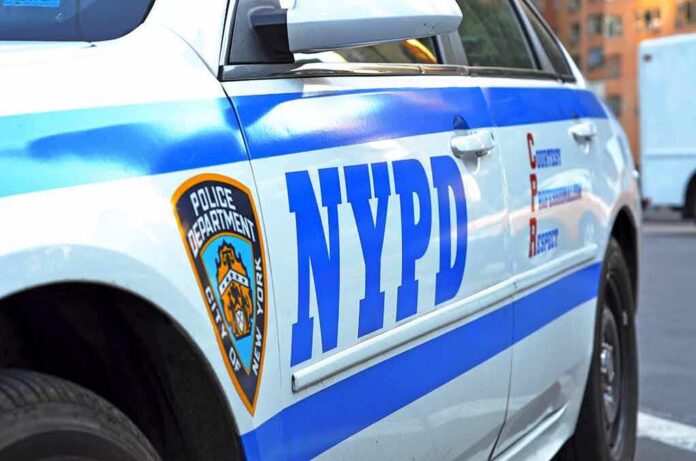
New York Police Department Emergency Services officers climbed the tower and tried to convince the man to come down safely, but negotiations failed. As officers spoke with him, he jumped from the top of the tower into the East River, reportedly falling well over 200 feet, though the exact height has not been officially confirmed. New York Police Department Harbor Unit officers were already in the water and quickly pulled him out, preventing what often would be a fatal impact and drowning in the strong current below.
Rescue, Hospitalization, and Criminal Charges
After the Harbor Unit rescue, medics took the man to NYC Health + Hospitals Bellevue, the city’s main public hospital for both trauma and psychiatric care. Reports quoting hospital and police sources say he was listed in stable condition, which is rare for a fall from that height into open water. A separate New York Police Department statement, shared with NBC News and AOL, identified him as Brooklyn resident Galymzhan Abaildayev and said he was arrested following treatment.
Police told NBC News that Abaildayev faces charges including reckless endangerment, graffiti, public lewdness, criminal trespass, and disorderly conduct. Those charges reflect both the risk to himself and others and the damage or marking of the bridge with flags and possible writing. The bridge was temporarily closed during the incident, disrupting a key link between Manhattan and Brooklyn and tying up city resources from multiple units for a single individual’s actions. Authorities say the investigation is ongoing, including the meaning and origin of the flags he planted.
Flags, Motive, and the Bigger Picture
Several reports and social posts say one of the flags appeared to be from Kazakhstan, and others may have carried messages, but police have not yet released clear photos or a full description. Tabloid outlets quickly labeled the man “unstable” and a “nutjob,” pushing a shock-heavy narrative that focuses more on spectacle than on why the incident happened. At the same time, official sources have shared only partial details, leaving questions about motive, mental health, or possible political statements unanswered for now.
This gap between flashy coverage and limited official detail fuels the anger many Americans already feel. People on the right look at a naked jumper planting foreign flags on a critical bridge and see proof that the state cannot secure basic infrastructure or handle obvious mental health crises before they turn into emergencies. People on the left see another case where the main response is arrest and charges, while deeper issues like mental health care access and social instability stay unaddressed.
Public Safety, Mental Health, and Trust in Government
Bridge jumps from the Brooklyn Bridge are not new. Historical records show people have been leaping from it since the 1800s, sometimes as stunts, sometimes in despair. A medical study of past Brooklyn Bridge jumps found only a handful of survivors over many years, underscoring how close this latest case came to becoming another tragedy in a long pattern. Yet each time, the public conversation centers on the sensational details, while the slow failure to prevent these crises is treated as normal.
🎙️ Brooklyn Bridge Plunge: Man Survives East River Jump After Standoff
🎧 Play the News, Don't Read It!
Trending: Jordan Henderson, Chalobah#NaijaPodNews #NigeriaNewshttps://t.co/I15f4cEkDx
— naijapodnews1 (@naijapodnews1) August 3, 2026
For many Americans, this incident lands in a wider story. They see huge emergency responses when something dramatic happens, but not the steady work that might keep people from reaching a breaking point on the top of a bridge. The government can close lanes, send specialized police teams, and press charges. It is far less effective at dealing with the mix of mental health problems, social isolation, and political tension that often sits behind these scenes. That gap deepens distrust and feeds the sense that the system mainly reacts to chaos instead of tackling its roots.
Sources:
thegatewaypundit.com, nbcnews.com, timesnownews.com, tmz.com, ndtv.com, instagram.com, nypost.com, worldjournal.com, patch.com, timesofindia.indiatimes.com, citizen.com