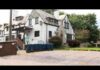
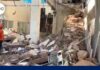
Residents living with flies, odors, and sick kids now see plans quietly moving forward to rebuild the same Boyle Heights warehouse that just burned down and poisoned their neighborhood.
Story Snapshot
- A cold-storage warehouse fire in Boyle Heights left millions of pounds of rotting food and a major health mess.
- Mayor Karen Bass publicly said the company should not even think about rebuilding at the site.
- Within weeks, permit applications were quietly filed to repair and restore the burned warehouse to its pre-fire use.
- The move has fueled anger and distrust among residents who feel clean air and safety still come second to business.
Warehouse fire leaves a neighborhood in crisis
The Lineage cold storage warehouse in Boyle Heights caught fire on June 17, burning for eight days and filling nearby homes with smoke and the stench of rotting food. Millions of pounds of spoiled meat and other goods were left behind inside the ruined building, drawing flies, rodents, and foul odors into a largely working-class community. Families near the site reported breathing problems, headaches, and fear about what chemicals and debris might still be in the air and soil.
City and county leaders declared a local emergency and set up a special recovery command to manage cleanup and health response. Mayor Karen Bass said her goal was to make the community safer than it was before the fire, not just to put things back the way they were. The city ordered an aggressive cleanup timeline and pushed Lineage to remove the rotting material inside the warehouse within 45 days, while also exploring legal options to recover costs from the company.
Mayor Bass vows the company “should not even think” of rebuilding
As outrage grew over the smell and health concerns, Mayor Bass took a hard public line against the warehouse operator. In social media posts and public remarks, she said Lineage “should not even think about rebuilding this warehouse” while families were still living with the harm caused by the fire. She called each day of delay “another day that families have to deal with the fallout from a negligent corporation,” framing the disaster as part of a larger pattern of industry putting profit over people.
Earlier in July, Bass told local reporters she did not yet know whether Lineage would be allowed to rebuild once cleanup and demolition were finished. She said any decision must involve the community and promised residents could hold her accountable for how recovery is handled. She also ordered city planning agencies to review the impact of warehouses near homes and schools across Los Angeles, suggesting this one site is part of a broader question about where dangerous industrial operations are allowed to sit.
Permits to rebuild filed even as cleanup drags on
Despite the mayor’s tough words, online city records show that two permit applications were filed to rebuild the Boyle Heights warehouse only about six weeks after the fire. The first permit seeks to “repair and restore fire-affected sections of the building to their original, pre-fire state” with no change in size, height, use, or occupancy. A second application asks to fix fire-damaged electrical systems. Together, they signal a clear plan to bring the cold storage operation back exactly as it was before.
Lineage files permit to rebuild Boyle Heights warehouse. 'A slap in the face,' mayor sayshttps://t.co/zCprskOrPv
— Olexa niravia (@Olexaniravia) July 29, 2026
The timing angered many residents and local officials, who say they are still living with flies, odors, and health worries. Councilmember Ysabel Jurado called it “outrageous” that Lineage is seeking permits to rebuild while the disaster it created “has not even been cleaned up” and said she has no intention of supporting the company’s return to the site. The sense for many is that the system still moves faster for business than for neighbors, even after a major health emergency.
Company calls permits “routine,” but trust is badly shaken
Lineage has said the permit filing is a normal step in the repair process and that cleanup remains its top priority, claiming the applications will not distract from removing damaged material. The permit language supports that framing, since it promises like-for-like replacement and no expansion of the warehouse or change in use. On paper, it looks like standard bureaucracy. On the ground, people living with swarms of flies and bad air see it as the company planning its comeback before fixing the harm.
This clash over permits fits a broader pattern that many Americans recognize: technical paperwork is treated as routine by officials and corporations, but becomes a symbol of deeper problems for regular people. After disasters, especially ones that hurt public health, families on both the left and right often feel their safety and property values are secondary to keeping big operations running. In Boyle Heights, that fear is sharpened by past concerns over unpermitted work at the warehouse before the fire, which added to worries that rules are enforced lightly on large companies.
Why this story hits a nerve far beyond Boyle Heights
For many conservatives, this situation echoes long-running anger about weak accountability for corporations that cut corners, and city halls that talk tough while quietly smoothing the way for business to restart. For many liberals, it reflects frustration that working-class, largely Latino communities get stuck living next to risky industrial sites, with health impacts that would spark faster action in wealthier areas. Both sides see a system that talks about justice but often protects insiders.
The Boyle Heights warehouse fire and the fast move to rebuild show how trust in government is eroding. Leaders promise “no return to the status quo,” but permits to restore the same operation slide through even while cleanup is incomplete. Whether the warehouse ultimately reopens or not, this episode reinforces a shared fear: when disaster strikes, ordinary families are left breathing bad air and fighting flies, while powerful interests focus on getting back to business.
Sources:
nypost.com, latimes.com, youtube.com, cbsnews.com, mayor.lacity.gov, recovery.lacounty.gov, audacy.com