Defense Secretary Pete Hegseth issued a stark ultimatum to Iran during a Pentagon briefing, warning the regime to abandon its nuclear program or face economic strangulation through an expanding naval blockade that’s already turned away dozens of ships and seized vessels attempting to evade U.S. enforcement.
Story Snapshot
- U.S. naval blockade has forced 34 ships to turn away from Iranian ports and seized three “dark fleet” vessels as pressure mounts
- Hegseth declared the “ironclad” blockade will continue “as long as it takes” with no rush for negotiations, backing Iran into economic corner
- Second aircraft carrier deploying to region as Pentagon prepares for potential mine threats and expanded enforcement globally
- Trump administration criticizes allies for “free-riding” on U.S. security while urging international participation in maritime crackdown
Pentagon Delivers Uncompromising Message to Tehran
Defense Secretary Pete Hegseth and Joint Chiefs Chairman Gen. Dan Caine presented a unified front during an April 23 Pentagon briefing, detailing the success of Operation Epic Fury’s naval blockade component. Hegseth framed the operation as a “gift to the world,” emphasizing that Iran must choose between verifiable nuclear disarmament or complete economic isolation. The Defense Secretary made clear that President Trump controls the timeline and feels no pressure to negotiate, a position that underscores American military dominance following strikes that destroyed Iran’s ability to rebuild its military-industrial infrastructure.
Gen. Caine provided operational details demonstrating the blockade’s effectiveness, noting that 34 ships have voluntarily turned away from Iranian ports since enforcement began April 13. Three vessels—M/V Touska, M/T Tifani, and M/T Majestic X—were interdicted attempting to breach the blockade. The operation involves over 10,000 personnel, approximately a dozen ships, and aircraft pursuing sanctions evaders across international waters from the Persian Gulf to the Indo-Pacific. Caine emphasized escalation options including boarding and warning shots remain available if vessels refuse compliance, though thus far displays of force have proven sufficient.
Strategic Pressure Mounts as Blockade Expands Reach
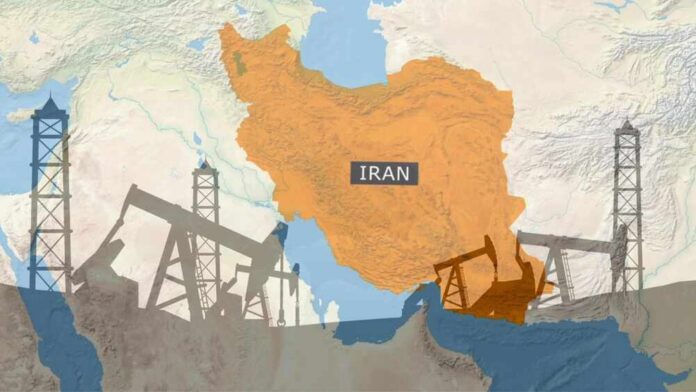
The blockade targets all vessels regardless of nationality attempting to enter or exit Iranian territorial waters, a significant expansion beyond traditional sanctions enforcement. U.S. Central Command reports the operation is “tightening by the hour” as intelligence capabilities track Iran’s “dark fleet”—tankers used to evade previous sanctions by obscuring ownership and destinations. A second carrier strike group is deploying to the region, reinforcing American resolve while preparing for potential Iranian countermeasures including mine deployment in critical shipping lanes. The Strait of Hormuz, which carries approximately 20 percent of global oil, remains a focal point though the blockade does not constitute a full closure of the waterway.
Hegseth challenged European and Asian allies to contribute meaningful support rather than continue benefiting from U.S. security guarantees without participation. This criticism reflects broader frustration within the Trump administration that allied nations dependent on Hormuz shipping lanes have failed to shoulder their share of enforcement burdens. Iran has attempted to counter the blockade’s economic impact by collecting tolls from vessels transiting the Strait, though U.S. officials characterize Tehran’s position as increasingly desperate. The regime has publicly criticized the blockade as a ceasefire violation, even as it struggles to maintain basic port operations under sustained American pressure.
Military Superiority Backs Economic Warfare Strategy
Operation Epic Fury’s initial phase in late February devastated Iran’s military capabilities, destroying missile production facilities and air defense systems critical to the regime’s regional influence. This degradation left Tehran unable to credibly threaten U.S. forces or rebuild its strategic deterrent, fundamentally shifting the balance of power. The April 8 ceasefire paused direct combat operations but enabled the blockade as an alternative pressure mechanism designed to force nuclear concessions without additional kinetic strikes. Pentagon officials emphasized readiness to employ lethal force against mine-laying attempts or threats to U.S. personnel, making clear the administration’s willingness to escalate if Iran miscalculates.
The strategy reflects core conservative principles of peace through strength, using overwhelming military advantage to achieve policy objectives while minimizing American casualties. By systematically dismantling Iran’s economic lifelines, the blockade creates conditions where Tehran’s choices narrow to capitulation or collapse—outcomes that serve American interests far more than prolonged negotiations that have historically failed to curtail the regime’s nuclear ambitions. This approach demonstrates the Trump administration’s commitment to forcing accountability from adversaries who have exploited previous diplomatic frameworks without genuine compliance, a contrast with policies that conservatives view as enabling Iranian aggression through insufficient pressure.
Sources:
Hegseth Urges Iran to ‘Choose Wisely’ During Epic Fury Ceasefire, Blockade
Hegseth, Caine News Conference on Iran War Ceasefire