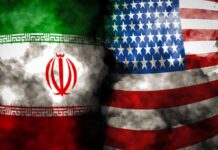
Trump’s charge that legacy outlets spread “seditious” Iran-war narratives spotlights a widening credibility fight over battlefield truth and press responsibility.
Story Highlights
- Trump accused CNN and The New York Times of “seditious” Iran-war coverage and inflated damage figures.
- The New York Times defended its reporting as factual, thorough, accurate, and protected by the First Amendment.
- A public exchange featured a Times reporter pressing war-crime questions and citing classified assessments that contradict “obliteration.”
- Disputed battle-damage assessments and anonymous intelligence sourcing remain central flashpoints in the clash.
Trump’s Public Broadside Against Legacy Media Over Iran War
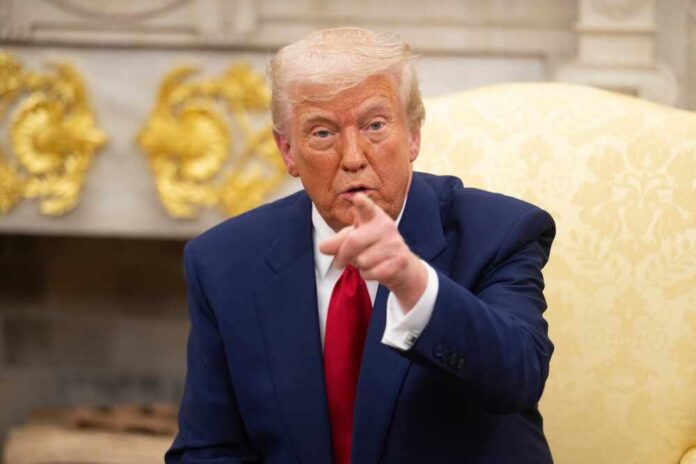
President Donald Trump blasted CNN and The New York Times for “seditious” coverage of the Iran war, arguing their reports framed the conflict as going Iran’s way and undermined U.S. public understanding. He said CNN’s reporting on strikes contradicted itself and claimed “the damage was far greater” than reported, calling it “obliteration.” Fox News Digital chronicled the clash, detailing Trump’s remarks and positioning this as a direct challenge to credibility in wartime reporting [1][2][3].
A spokesperson for The New York Times countered Trump’s claims, stating its war coverage was factual, thorough, and accurate, collected from reporting in the region and Washington, and protected under the First Amendment. That response framed the dispute as a fundamental press-freedom question alongside factual disagreements about battlefield effects. The paper underscored the role of journalism in informing the public during conflict, directly answering Trump’s assertion of “seditious” media behavior [1].
On-Camera Clash: War-Crime Queries and Intelligence Claims
A recorded exchange shows a New York Times reporter pressing the administration on whether threats against Iran constituted a war crime, asserting that deliberate attacks on civilian infrastructure violate the Geneva Conventions and international law. Trump shot back that the paper “has no credibility,” making the confrontation a public, contemporaneous dispute over conduct and coverage. The back-and-forth captured how battlefield messaging and legality questions were being litigated in real time on camera [4].
The same transcript relayed claims that The New York Times and CNN cited classified United States intelligence assessing Iran retained about 70 percent of its pre-war missile stockpile and rebuilt roughly 30 of 33 missile sites along the Strait of Hormuz. It also referenced admitted difficulty by United States Central Command in conducting thorough battle-damage assessments, complicating early confidence about strike effects and fueling the disagreement over “obliteration” versus resilience [4].
What We Know, What We Do Not, and Why It Matters
The record shows a hard dispute over effectiveness and narrative, but it does not prove that either outlet knowingly fabricated facts or acted treasonously. The most developed evidence concerns contested battle-damage estimates and intelligence-based reporting, not legal findings of sedition or treason. Without the original New York Times and CNN articles, including sourcing language and any corrections, outside readers cannot audit whether the 70-percent and 30-of-33 figures were quoted with proper caveats or confidence levels [1][4].
Trump calls 'TREASON' the way FAKE NEWS, such as NYT and CNN, cover the war in Iran
'You should know better… when you write they’re doing well militarily… you should be ashamed of yourself'@MTodayNews
— William Wilson – Overwatch is still watching. (@WWilson242) May 15, 2026
For conservative readers, two realities stand out. First, anonymous intelligence sourcing makes independent verification extremely difficult, allowing legacy media to publish sweeping claims while shielding sources from scrutiny. Second, government assessments evolve as imagery and signals are analyzed, meaning early narratives can harden before facts do. That combination invites distrust, especially after years of biased coverage, selective leaks, and institutional overreach that eroded confidence in media and government gatekeepers [1][2][3][4].
How Conservatives Should Read This Fight
Trump’s criticism meets a corporate media defense that leans on process and press rights rather than addressing every contested claim head-on. Readers should separate undisputed facts from characterizations: Trump accused the outlets of “seditious” coverage; The New York Times said its reporting was factual and protected; transcripts cite intelligence that challenges “obliteration;” and Central Command difficulty assessing damage undercuts media certainty. Until original articles and named-source records surface, treat sweeping battlefield conclusions as provisional, not gospel [1][4].
Sources:
[1] Web – Trump blasts New York Times, CNN for ‘seditious’ coverage of Iran war
[2] Web – Trump slams CNN, New York Times over coverage of Iran war
[3] Web – Trump slams CNN, New York Times over coverage of Iran war
[4] YouTube – Trump clashes with New York Times reporter over Iran war crime …