
As U.S. Marines fast-roped onto an Iranian-flagged oil tanker this week, many Americans saw a long-awaited shift from apologizing for weakness to unapologetically enforcing American red lines at sea.
Story Snapshot
- U.S. forces boarded an Iranian-linked tanker to enforce the Trump administration’s Strait of Hormuz blockade.
- Pentagon officials say the vessel was a sanctioned, effectively stateless ship moving oil from Iran in international waters.
- The operation fits a broader strategy to choke off funds to Iran’s terror networks and protect global shipping lanes.
- Key legal details of the blockade and the tanker’s status remain undisclosed, leaving room for global criticism and spin.
Trump’s Blockade Strategy Meets Iran’s Shadow Fleet
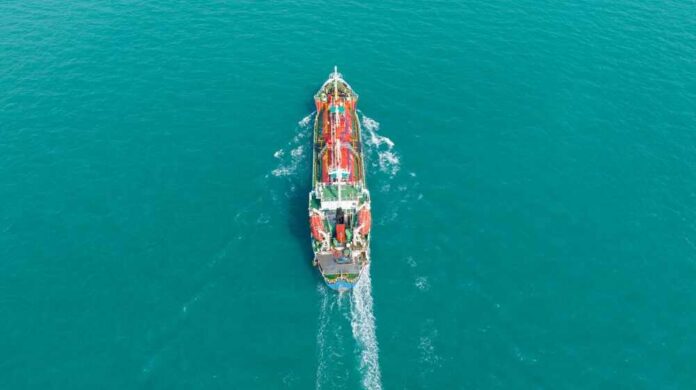
U.S. Central Command reported that American forces conducted a “maritime interdiction and right of visit boarding” of the tanker, described as a sanctioned stateless vessel carrying oil from Iran in international waters within the command’s area of responsibility.[1][3] Officials framed the move as part of a broader effort to disrupt illicit networks that funnel oil money into the Iranian regime and its terror proxies.[1] This action follows months of Iran-linked ship seizures and harassment that have threatened commerce through the Strait of Hormuz.[3]
According to reporting that quotes Pentagon statements, the United States has publicly tied these interdictions to a declared naval blockade focused on traffic entering or departing Iranian ports and coastal areas, while pledging not to interfere with vessels trading solely with non-Iranian ports. That deliberate scope aims to limit disruption for neutral shippers while putting direct pressure on Tehran’s economy. For many conservatives, this signals a welcome break from years of half-measures and diplomatic waffling toward Iran.
How the Boarding Unfolded On the High Seas
Video released by news outlets shows U.S. Marines inserting by helicopter and fast-roping onto an Iranian-flagged tanker suspected of trying to violate the blockade in the broader Strait of Hormuz and Gulf of Oman region.[3] U.S. Central Command said forces boarded, searched, and then redirected a similar vessel, the M/T Celestial Sea, after suspecting it was transiting toward an Iranian port in defiance of the blockade. Officials also said American forces have redirected dozens of commercial ships to ensure compliance with the enforcement regime.
Separate coverage of another Iran-linked tanker, the MT Majestic X, quotes a Defense Department post describing it as a sanctioned stateless vessel transporting oil from Iran in the Indian Ocean.[1][3] The statement stressed that international waters “cannot be used as a shield by sanctioned actors” and promised continued global maritime enforcement against ships that provide material support to Iran.[1] Together, these boardings form a pattern: Washington is using direct action at sea to deny Iran the loopholes it has relied on for years to move sanctioned oil.
The Legal Fog Around Blockade Enforcement
Despite the tough messaging, the public record leaves important legal questions unanswered. The Wikipedia-style summary of the 2026 United States naval blockade of Iran cites a Central Command clarification that enforcement applies to vessels entering or leaving Iranian ports, but the actual directive, rules of engagement, and notice to mariners are not publicly reproduced. That gap makes it hard for outside observers to verify the precise geographic scope, conditions for boarding, and how the United States claims to satisfy traditional blockade-law requirements.
Analysts have long noted that international law normally bars boarding and seizing foreign merchant ships on the high seas without the flag state’s consent, except in narrow circumstances such as piracy, slavery, or stateless status. U.S. officials attempt to fit these actions into those exceptions by describing the targeted tankers as stateless and as part of an illicit sanctions-evading network.[1][3] However, the materials available so far do not provide independent documentation of the tankers’ registry status, cargo ownership, or precise coordinates at the moment of boarding.[1][3]
Why This Matters for American Security and Your Wallet
For American families already squeezed by years of globalist energy policies, these operations hit close to home. Iran has repeatedly used threats in the Strait of Hormuz to rattle oil markets and pressure the West, knowing that even the hint of disrupted shipping can drive up prices at the pump. By interdicting sanction-busting tankers, the Trump administration is signaling that it will not let Tehran weaponize global trade routes or quietly refill its war chest by sneaking oil around the rules.[1]
US MILITARY ANNOUNCES THEY BOARDING IRANIAN-FLAGGED OIL TANKER.
— First Squawk (@FirstSquawk) May 20, 2026
At the same time, conservatives should keep a clear-eyed view of the legal and strategic stakes. Robust, transparent authority for such blockades helps prevent mission creep, protects truly neutral shipping, and keeps unelected international bodies from exploiting any gray areas to constrain future American action. Demanding that Congress, not bureaucrats, oversee and define these enforcement regimes aligns with core constitutional principles of limited government and accountable use of military power, even while we support decisive steps to confront Iran’s aggression.
Sources:
[1] YouTube – US Military BOARDS & CAPTURES Second Iran-Linked Oil Tanker …
[3] YouTube – US Military boards Iranian-flagged oil TANKER suspected of trying …