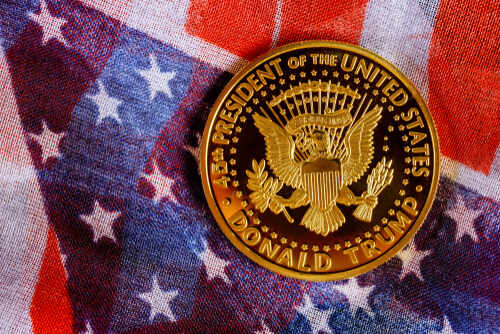
Bill Maher’s crypto segment put a harsh spotlight on a market that still lives on hype, and Ben McKenzie used it to warn that Trump-branded speculation can leave ordinary buyers holding the bag.
Quick Take
- McKenzie called crypto a Ponzi scheme during the discussion and tied it to real investor losses [1].
- He pointed to the FTX collapse as proof that crypto values can be detached from reality and account holders can get trapped [1][2].
- InsideHook reported that McKenzie warned viewers about crypto exchanges outside the United States and criticized the belief-based nature of the market [2].
- The supplied research does not include primary market data for the Trump meme coin itself, so the 96 percent figure cannot be independently tested here.
McKenzie’s Case Against Crypto
Ben McKenzie did not soften his language on HBO’s Real Time with Bill Maher. He said crypto was “a Ponzi scheme” and argued that the market’s numbers are “not real,” linking the industry to investor losses and the kind of collapse that leaves users unable to get their money out [1]. For readers who have watched Wall Street, Washington, and Silicon Valley go too far for too long, the message was blunt: speculation is not a substitute for sound money.
McKenzie also framed the problem as one of belief, not durable utility. InsideHook reported that he said the value of crypto can last only as long as people believe in the story, and that belief does not make it true [2]. He further warned viewers about putting money into crypto exchanges outside the United States, a reminder that weak oversight and thin protections can quickly turn a trendy asset into a costly lesson for everyday investors.
Why the Trump Coin Claim Matters
The user’s research centers on a Trump meme coin said to have fallen 96 percent, but the supplied material does not include exchange records, blockchain analytics, or issuer disclosures for that token. That limitation matters. A collapse headline may be real, but without direct token data it is impossible to separate a genuine market rout from ordinary volatility, thin liquidity, or political branding effects. The evidence here supports skepticism about crypto broadly, not a forensic verdict on this specific coin.
That distinction is important for conservative readers who want accountability rather than noise. A politically branded coin can attract loyalty, anger, and quick trades from people who are not evaluating fundamentals. But the supplied research does not identify who bought the Trump token, how concentrated the ownership was, or whether insiders drove the price. Without that evidence, the strongest fair conclusion is narrower: the segment reinforces concerns that crypto markets can be driven by emotion and promotion, especially when politics enters the mix.
What the Segment Shows About Crypto Politics
The appearance of a celebrity critic on a late-night-style program also shows how this debate gets packaged for public consumption. Bill Maher and Ben McKenzie can generate a viral clip, but clips are not the same as hard market evidence. The research package itself warns that celebrity framing can overshadow technical facts. That leaves supporters and skeptics talking past each other, while ordinary Americans are left trying to sort out whether they are looking at fraud, froth, or both.
For now, the factual ground is clear only in part. McKenzie used the show to argue that crypto depends on belief, has produced real losses, and can fail in ways that trap users [1][2]. The record provided here does not prove that the Trump meme coin was illegal, worthless, or uniquely manipulated. It does, however, show why many conservatives remain wary of speculative digital tokens that promise easy gains while offering little substance and plenty of room for disappointment.
Sources:
[1] YouTube – Ben McKenzie – Real Time with Bill Maher (HBO)
[2] Web – Ben McKenzie Criticized Crypto and NFTs on “Real Time”