
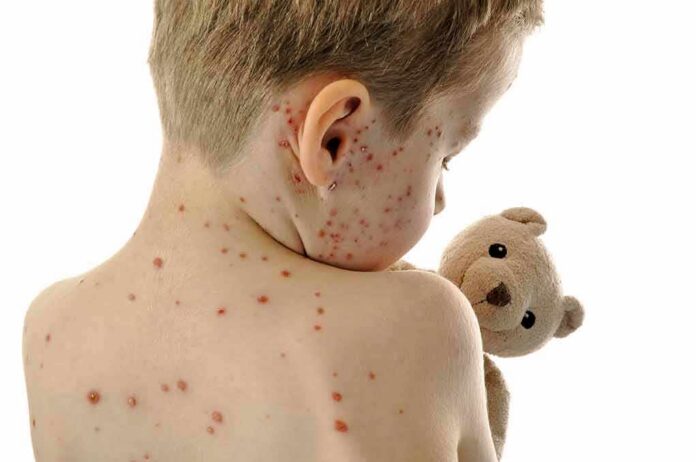
Pennsylvania confirmed two measles-associated deaths—the state’s first in 35 years—then fell into a bitter fight over who controls the facts and who the system serves.
Story Snapshot
- Pennsylvania’s Health Department reported two measles-associated deaths; both people were unvaccinated.
- Governor Josh Shapiro’s team expanded the state response as national attention spiked.
- Robert F. Kennedy Jr. questioned the deaths and said the state would not share data; Pennsylvania disputed that.
- The clash highlights a deeper trust gap over transparency, public health, and government accountability.
What Officials Confirmed And Why It Matters
Pennsylvania’s Department of Health said two residents from Lancaster County died in connection with measles. The agency called them “measles-associated” deaths and said both people were unvaccinated. Officials noted these are the first such deaths in the Commonwealth in 35 years and the first reported in the United States this year. The Pediatric Infectious Diseases Society called the deaths a serious warning during an ongoing outbreak and urged vaccination to prevent more loss.
Governor Josh Shapiro’s administration announced new steps to contain spread. The plan emphasized vaccinations, contact tracing, and outreach in affected communities. The state framed the push as a rapid response to a fast-moving virus, which spreads through the air and can infect people before symptoms appear. Local coverage in Lancaster County echoed the state’s core facts: both people lived in the county and were not vaccinated.
How “Measles-Associated” Deaths Are Counted
Health agencies often use “measles-associated” or “measles-related” because many deaths follow complications. Pneumonia and brain swelling are frequent drivers of fatal outcomes after infection. Past reviews of death records and hospital data in the United States found pneumonia in most measles-linked fatalities and encephalitis in a smaller share. Global health groups report that most measles deaths come from such complications, especially in young children.
This language choice can fuel doubt when the public wants simple answers. Critics ask for death certificates, autopsy details, or medical charts. Those records are usually private under health privacy laws. That gap between public-health attribution and forensic detail repeats in many outbreaks. The pattern does not make the disease less deadly, but it does raise stakes for clear communication when trust is thin.
The Political Clash Over Data Sharing
Robert F. Kennedy Jr. said Pennsylvania refused to work with the Centers for Disease Control and Prevention and would not share outbreak information. He also cited a Lancaster County official’s claim that the county could not locate measles deaths in public records. He suggested the deaths might not have occurred as stated. Pennsylvania officials called the claim of noncooperation “inaccurate,” setting up a direct dispute over transparency.
August 2026, confirmed 2 measles deaths, Pennsylvania, both unvaccinated
First measles deaths in Pennsylvania in 3 decades & first nationwide in 2026
Pockets of low immunization widening, driving localized epidemics of preventable diseases: measles, whooping cough & rotavirus
— stuart ingram (@jump_smash) August 29, 2026
Major outlets reported the back-and-forth. One account said the Centers for Disease Control and Prevention believed Pennsylvania had declined help and data sharing, which the state denied. Other coverage captured Kennedy’s posts and statements pressing Governor Shapiro for details and alleging fabrication of the cause of death. None of those reports supplied independent medical records. The conflict centers on access to information rather than a documented debunking of the state’s core facts.
Shared Concerns: Trust, Elites, And Basic Competence
Many Americans on the left and right see a pattern: officials guard information, political actors spin it, and families are left guessing. People want clean data and fast answers. They want to know who is accountable if the system fails. That demand is not anti-science. It is common sense in a country where large agencies, donors, and political ambitions often set the terms of debate while citizens live with the consequences.
Two points can both be true. Measles is dangerous, and vaccination sharply lowers risk of death and severe disease. At the same time, public trust requires timely, verifiable facts. Health leaders should publish what they can release, explain what they cannot, and give clear timelines for updates. Politicians and critics should ground claims in evidence, not in hints or viral posts, because fear spreads faster than facts.
What To Watch Next
Watch for public release of aggregate case counts, hospitalization numbers, and complication rates from Pennsylvania’s outbreak page. Look for a clear statement on whether the Centers for Disease Control and Prevention is now receiving full data, and whether federal help is active on the ground. Track local hospitals’ capacity and any reports about pneumonia or brain complications among recent measles cases, which often mark the most severe outcomes.
Most of all, watch whether leaders stick to one standard: say what they know, how they know it, and when they will know more. That is how you earn trust in a tense moment. In a system many see as serving elites first, straight answers delivered on time are not a luxury. They are the job.
Sources:
independent.co.uk, pa.gov, pids.org, nbcnews.com, reuters.com, post-gazette.com, cbsnews.com, x.com, usatoday.com