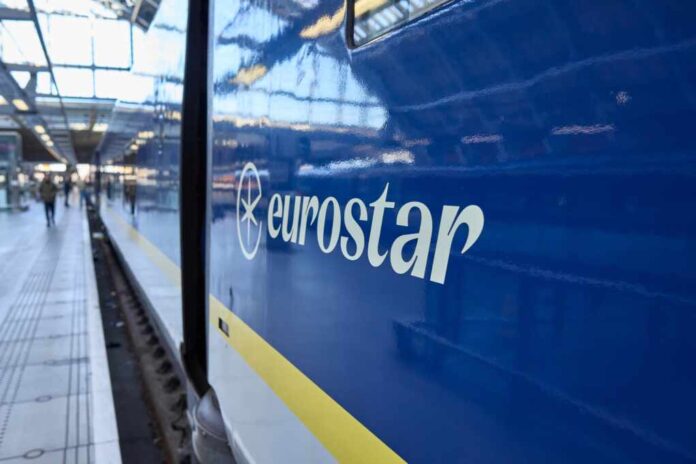
A power issue in the Channel Tunnel has led to massive Eurostar travel chaos, stranding thousands of passengers.
Story Snapshot
- Thousands of travelers affected by Eurostar cancellations and delays.
- Channel Tunnel power failure triggered a cascade of travel disruptions.
- Operational restrictions at major European stations compound the chaos.
- Eurostar’s efforts to resume services met with ongoing challenges.
Channel Tunnel Power Failure Disrupts Eurostar Services
On December 30, 2025, a power issue within the Channel Tunnel caused significant disruptions to Eurostar services. This event adversely affected thousands of passengers traveling between the UK, France, Belgium, and the Netherlands. The power failure, a critical component of high-speed rail operations, halted services and left travelers in limbo during the peak holiday season. Compounding the chaos were technical problems and operational restrictions at key stations like Amsterdam Centraal and Paris Gare du Nord.
These operational restrictions have been ongoing since mid-December, suggesting a more systemic issue within the Eurostar network. While Eurostar aimed to resume a full timetable by December 31, passengers continued to face delays due to the ongoing knock-on effects of the initial disruption. The lack of food service on some trains further exacerbated the situation, highlighting the logistical challenges Eurostar faces in maintaining service reliability under stress.
Watch:
Impact on Passengers and Services
The immediate impact of the travel chaos was felt by thousands of passengers, many of whom were leisure travelers eager to celebrate New Year’s Eve across borders. The disruption forced many to reconsider their travel plans, opting for alternative modes of transport or rebooking for later dates. The long-term implications for Eurostar include potential damage to its reputation, especially if such disruptions become a recurrent issue during peak travel periods. The events have underscored the vulnerabilities in international high-speed rail travel, potentially increasing demand for flights and ferries as more reliable alternatives.
The broader travel sector is also under scrutiny as governments and rail regulators assess the reliability of cross-border rail services. The power dynamics between Eurostar and national rail operators highlight the complex relationships that can affect service delivery in multinational contexts. While Eurostar management works to resume a full schedule, passengers remain at the mercy of these intricate logistics.
Resuming Services and Ongoing Delays
As of December 31, Eurostar announced plans for a full New Year’s Eve timetable. However, they cautioned about possible last-minute cancellations due to ongoing knock-on effects. Despite efforts to communicate updates and manage passenger expectations, Eurostar’s ability to fully recover remains uncertain. The situation serves as a reminder of the delicate balance required in managing international rail services, where infrastructure reliability is paramount.
Thousands of Eurostar passengers face travel chaos as services cancelled close to New Year#BreakingNews #Eurostar #ChannelTunnel
Update news: https://t.co/WoTZ0qsSe6 pic.twitter.com/d4Jt7MKPAx— Emily Anne (@sayarazaha01) December 30, 2025
The Eurostar scenario highlights the critical importance of infrastructure resilience and effective crisis management. As travelers continue to face the consequences of these disruptions, the focus remains on Eurostar’s recovery efforts and the broader implications for international rail travel. The disruptions have sparked discussions about the need for improved contingency planning and investment in rail infrastructure to prevent future occurrences.
Sources:
Eurostar Travel Updates
RFI Report on Eurostar Disruption