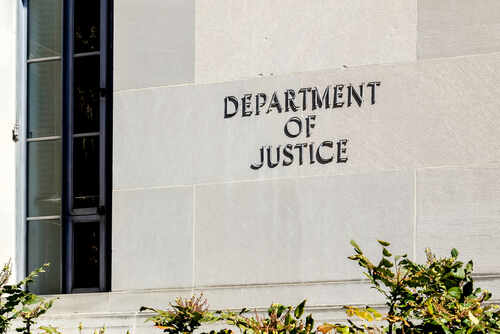
Justice Department subpoenas targeting Wall Street Journal reporters expose a dangerous federal overreach that threatens core First Amendment protections and the independent press essential to holding government accountable.
Story Snapshot
- DOJ defends subpoenas issued to WSJ reporters in early 2026, claiming necessity for ongoing investigations amid Trump’s second term.
- WSJ reporter Tarini Parti removed from White House press pool in May 2026 for alleged “fake and defamatory conduct,” signaling broader tensions.
- Action raises procedural questions about DOJ guidelines requiring Attorney General approval before targeting journalists.
- Federal courts now hold the key to balancing law enforcement needs against press freedoms, with precedent-setting implications.
- Americans across the spectrum worry this reflects deep state priorities over constitutional principles and public accountability.
DOJ Subpoenas Target WSJ Reporters
U.S. Justice Department issued subpoenas to Wall Street Journal reporters in early 2026. The department formally defended these actions in May 2026 legal filings. Officials assert the subpoenas support legitimate investigations where information is unavailable elsewhere. This stance prioritizes law enforcement objectives. Federal courts must now evaluate if investigative needs outweigh First Amendment protections for journalists. The case highlights tensions in Trump’s second term with GOP controlling Congress.
Press Pool Exclusion Signals Pattern
White House Press Secretary Karoline Leavitt announced in May 2026 that WSJ would not join a press pool for a Scotland trip. She cited the outlet’s “fake and defamatory conduct.” This followed the removal of reporter Tarini Parti from the White House press pool. Such restrictions reduce WSJ access to official events. Critics see this as part of escalating executive branch pressure on media perceived as adversarial. Conservatives value media accountability but demand strict adherence to constitutional limits on government power.
Historical DOJ Guidelines Questioned
DOJ guidelines, set in the 1970s, require Attorney General approval for journalist subpoenas. These rules balance First Amendment interests with law enforcement. Past administrations like Obama and Biden followed stricter interpretations. Trump’s first term criticized “fake news” but issued fewer such subpoenas to major outlets. Current actions prompt questions on whether proper procedures were followed. Limited public details on investigations leave uncertainties about compliance and motivations.
Implications for Press Freedom and Accountability
Courts apply balancing tests in subpoena cases, weighing public interest in journalism against government needs. Outcomes could chill investigative reporting by deterring sources and raising legal costs for outlets like WSJ. Long-term, this risks eroding trust between press and government. Both conservatives frustrated with biased media and liberals wary of overreach agree: federal actions must not undermine the Fourth Estate’s role in democratic accountability. Precedent here affects all Americans seeking truth amid elite power plays.
Sources:
Press Freedom Tracker: WSJ reporter pulled from press pool