
Police say 11 people were shot near Florida A&M University’s stadium during homecoming, turning a night of celebration into a mass casualty scene.
Story Highlights
- Tallahassee police reported 11 gunshot victims near Bragg Memorial Stadium after the homecoming game.
- Officers said a fight broke out before shots were fired along Perry and Manatee streets.
- The university issued an alert urging people to avoid the area or shelter in place.
- No arrests were announced as detectives worked to identify suspects and motives.
Police Confirm Mass Shooting Near Bragg Memorial Stadium
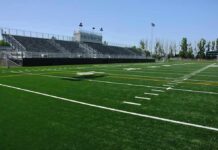
Tallahassee Police Department officers responded Saturday night to reports of gunfire on Perry Street near Manatee Street, just outside Florida A&M University’s Bragg Memorial Stadium. Police later said 11 people suffered gunshot wounds, and a twelfth person was hurt while fleeing the scene, according to subsequent reporting that cited the police chief. The initial police alert acknowledged a shooting but did not confirm victim counts. The area was crowded due to homecoming festivities after the football game.
Florida A&M University issued a safety alert as the incident unfolded, urging students and fans to avoid the area or shelter in place until police cleared the scene. Officers described the shooting as an isolated event near the stadium, not inside it. Emergency crews transported victims to local hospitals. Police did not immediately release conditions for each victim. The site, a public street grid by the stadium, had heavy foot traffic linked to post-game gatherings.
Investigators Describe a Fight Before Gunfire
Police said a preliminary review showed a fight broke out among two or three people before shots were fired into the crowd nearby. Detectives sought witness videos and surveillance footage from homes and businesses. Officers said no suspects had been identified or detained during the first wave of the investigation. That lack of immediate arrests left key questions open, including how many shooters fired and what weapons were used. Police also worked to confirm victim ages and injury details.
Confusion over numbers is common in fast-breaking cases, and this one was no different. Early messages from police focused on securing the area and did not list a toll. Later tallies distinguished between 11 gunshot victims and 12 total injured people. Some reports referenced six juveniles among the wounded, but full, public age details were not released in the initial period. Officials said they would provide firmer totals after hospitals confirmed intakes and treatments.
Why Location Labels Matter for Campus Safety
The shooting happened on public streets near the stadium during homecoming weekend. That detail matters for how agencies classify the event and plan responses. Some groups count any shooting during homecoming week as a campus-linked incident, even if it occurs on a nearby street and not at a university-run event. Police framed this incident as near the stadium, not inside a campus venue, while the university focused on safety instructions to clear the area.
Definitions also shape how people discuss “mass shootings.” Many trackers use a threshold of four or more people shot, not killed, to mark a mass shooting. By that measure, 11 gunshot victims clearly meets the bar. These categories affect how policymakers and the public read trends, set budgets, and judge security plans. They also drive intense news coverage when events strike schools and large public gatherings with families present.
Shared Concerns: Safety, Accountability, and Trust
Families who showed up to cheer a football win instead ran for cover on streets packed with students and neighbors. People across the political spectrum ask the same basic questions after scenes like this: Who let guns into a crowd? Where were the safeguards? How will police and schools prevent the next one? Those concerns are not partisan. They speak to whether leaders can secure busy civic spaces without turning them into fenced zones.
🇺🇸 Eleven people were shot near Florida A&M University's Bragg Memorial Stadium in Tallahassee during homecoming weekend, Reuters reports. Six of those hurt are children.
Police say a fight came before the shooting. No arrests yet. 🌐 TW pic.twitter.com/GzXcdI2ZGG
— Tectonic Wire (@TectonicWire) October 25, 2026
Next steps are practical and urgent. Police need clear videos, reliable witness accounts, and ballistic evidence to find who fired and why. City and university leaders will review street closures, crowd control, and the handoff between campus officers and city police. Hospitals will finalize injury counts. When the facts are settled, the focus should be on fixes that match the risks at big public events, so families can celebrate without fearing stray gunfire near a stadium gate.
Sources:
nypost.com, news18.com, tallahassee.com, wrdw.com, dnyuz.com, wcvb.com, nij.ojp.gov