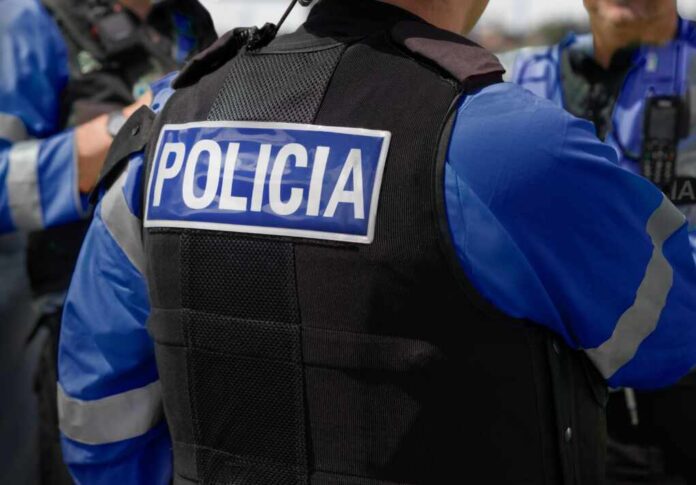
Mexican authorities arrested an entire police force of 59 officers in southern Mexico for collaborating with drug cartels.
Story Highlights
- Complete police force of 59 officers arrested for cartel collusion in southern Mexico
- Federal authorities assumed control of local policing after mass arrests on August 15, 2025
- Arrests coincide with extradition of 26 cartel leaders to U.S. under Trump administration pressure
- Similar mass arrests occurred previously in Michoacán and Tamaulipas states
Systematic Cartel Infiltration Exposed
Federal Mexican authorities conducted a sweeping operation on August 15, 2025, arresting the entire municipal police force of a small city in southern Mexico. The 59 officers face charges of collaborating with drug cartels, representing one of the most comprehensive examples of institutional corruption in Mexico’s ongoing drug war. This unprecedented action demonstrates how deeply cartels have penetrated local law enforcement, using intimidation, bribery, and violence to control police forces and secure trafficking routes into the United States.
59 Cops Arrested in Southern Mexico for Working with Cartels https://t.co/QRNhsgdeRM
— Steve Ferguson (@lsferguson) August 16, 2025
Federal Intervention and U.S. Cooperation
The mass arrests occurred just two days after Mexico extradited 26 suspected cartel leaders to the United States on August 13, 2025, signaling intensified bilateral cooperation under the Trump administration. Federal authorities have assumed complete control of local policing in the affected city, with increased military presence throughout the region. This coordinated response reflects the Mexican government’s commitment to rooting out corruption while addressing American concerns about border security and drug trafficking operations that fuel violence in both countries.
Historical Pattern of Police Corruption
This incident follows established patterns of cartel infiltration documented since Mexico’s drug war intensified in 2006. Similar mass arrests previously occurred in Michoacán and Tamaulipas states, where entire police departments faced disbandment or arrest for cartel ties. Municipal police forces remain particularly vulnerable due to limited resources and cartel pressure, creating power dynamics where criminal organizations often wield more influence than legitimate authorities. The Sinaloa Cartel and regional affiliates have systematically targeted law enforcement for recruitment or coercion.
The arrested officers remain in custody pending investigation into the full extent of cartel infiltration and possible connections to other officials. Federal prosecutors continue examining whether local government officials participated in or enabled the corruption schemes that allowed cartels to operate with impunity.
Border Security Implications
Southern Mexico serves as a critical corridor for drug trafficking routes targeting American markets, making police corruption a direct threat to U.S. border security. The systematic compromise of local law enforcement enables cartels to transport narcotics, conduct human trafficking, and establish operational bases near the American border. For Trump-supporting Americans concerned about illegal immigration and drug violence, this corruption represents a fundamental breakdown of law and order that undermines both Mexican sovereignty and American security interests along the southern border.
Long-term success requires sustained federal oversight, institutional strengthening, and protection for honest officers willing to confront cartel influence. The Trump administration’s pressure for increased extraditions and cooperation represents a crucial step toward addressing the root causes of corruption that enable cartel operations threatening American communities through drug trafficking and associated violence.
Sources:
Mexico extradites 26 suspected top cartel leaders to U.S. – Axios
Mexican drug war – Wikipedia
Sinaloa Cartel – Wikipedia
26 Fugitives Wanted for Violent and Serious Crimes Returned to United States from Mexico – U.S. Department of Justice