
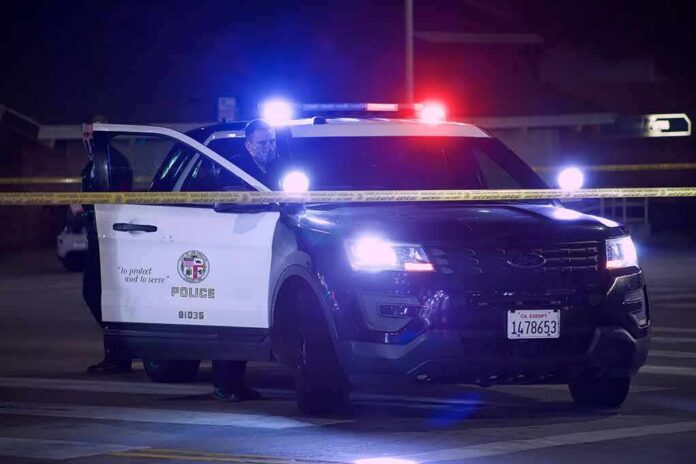
Los Angeles Police Department (LAPD) Chief Jim McDonnell says nearly one in three of the department’s calls now involve someone in a mental health crisis, and he wants civilians handling more of them instead of officers.
Quick Take
- LAPD Chief Jim McDonnell says about a third of the department’s 1.45 million annual calls involve a mental health crisis.
- McDonnell and mayor-elect Nithya Raman met Thursday and agreed on expanding civilian response to those calls.
- Raman’s transition plan calls for more 911 operators and bigger unarmed crisis-response teams.
- Key details on funding, staffing, and which calls qualify for unarmed response remain undecided.
Police Chief Flags a Staggering Share of Crisis Calls
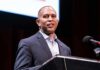
Chief McDonnell met with Los Angeles mayor-elect Nithya Raman on Thursday to talk public safety. He said roughly one-third of the LAPD’s 1.45 million yearly calls involve someone going through a mental health crisis. That volume, he said, pulls officers away from other police work and often puts them in situations they aren’t trained to handle alone.
McDonnell said Raman backs his approach. “The mayor is in alignment with the way we’re doing business, as far as trying to be able to get increased civilianization and expertise to deal with issues such as people experiencing a mental health crisis,” he said. The comment signals rare early cooperation between a police chief and an incoming mayor on how officers spend their time.
A Push for Clinicians Alongside Officers
McDonnell specifically pointed to mental evaluation teams, which pair a police officer with a mental health clinician on certain calls. “We do the very best we can with police officers, but certainly where we have mental evaluation teams that go out, where we pair up a police officer with a mental health clinician, the results are obviously going to be better,” he said. He did not cite data comparing outcomes between the two approaches.
Raman’s public safety plan goes further than pairing clinicians with officers. She has proposed hiring more 911 operators and expanding unarmed crisis-response teams across the city. Under her plan, those teams would be built into the 911 system and would take calls that don’t need an armed officer, freeing police to focus on situations that do require them.
National Trend Meets Local Gaps
Los Angeles isn’t alone in rethinking who responds to a mental health emergency. Cities nationwide have shifted toward mobile crisis teams and embedded clinicians in 911 centers, but research shows fewer than half of surveyed call centers have access to comprehensive teams that include clinicians or social workers. That gap between growing demand and limited staffing is a problem shared by many cities, not just Los Angeles.
Los Angeles already runs small-scale programs testing this model. City records show one pilot program handled 941 calls with an average response time of 28 minutes, while a separate program called CIRCLE responded to 3,682 incidents averaging 35 minutes. Those numbers suggest existing unarmed teams handle a small fraction of the crisis calls McDonnell says the department sees each year.
Unanswered Questions Before Any Rollout
No public document yet spells out staffing levels, funding, or dispatch rules for the expanded program McDonnell and Raman described. Reporting so far does not explain how dispatchers would decide which calls go to unarmed teams versus armed officers, or how the two leaders’ slightly different models, clinician-officer pairs versus fully unarmed teams, would fit together.
LAPD chief sounds alarm over city's mental health crisis, pitches plan to take burden off cops pic.twitter.com/dZElkZ01F6
— StandupSpeakOut🇺🇸 (@StndupSpekup) November 14, 2026
Raman previously campaigned on replacing McDonnell, which makes this public agreement notable on its own. For residents frustrated with how city government handles both policing and mental health, the partnership offers a test case: whether officials who once clashed can actually build a system that eases the load on police without leaving people in crisis without real help.
Sources:
nypost.com, nbclosangeles.com, police1.com, usatoday.com