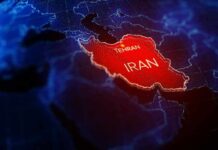

Justice Department filings say Iranian security assets planned murders of U.S. officials on American soil, including a plot to kill President-elect Donald Trump in 2024.
Story Snapshot
- Federal cases describe Iran-linked murder-for-hire and kidnapping plots targeting U.S. officials and dissidents.
- Prosecutors say an Iranian asset was tasked in 2024 to plan the killing of President-elect Donald Trump.
- A separate case alleges a $300,000 offer to murder former National Security Adviser John Bolton.
- Iranian officials deny the plots, calling U.S. charges baseless and lacking evidence.
What U.S. prosecutors say happened
The Justice Department says an alleged Iranian security network reached into the United States. Prosecutors charged an Iranian asset in 2024 with directing local criminals to plan the murder of President-elect Donald J. Trump, after a tasking on October 7, 2024. A 2022 complaint says an alleged member of Iran’s Islamic Revolutionary Guard Corps offered $300,000 to kill former National Security Adviser John Bolton, likely as retaliation for the 2020 strike that killed Qasem Soleimani.
Federal filings in New York also describe a murder-for-hire structure that used foreign criminal intermediaries. Prosecutors allege senior Iranian security figures contracted an Eastern European criminal group to kill a U.S. citizen who opposed Tehran, after earlier threats and plots against that person. A related announcement names an Islamic Revolutionary Guard Corps brigadier general and a former Iranian intelligence official in the alleged scheme. These cases frame a pattern that relies on cutouts to hide command responsibility.
How the pattern fits known Iranian tactics
Court documents and agency statements outline more than one kind of operation. The record includes offers to hire hitmen, scouting and contact with local criminals, and plans to kidnap or silence dissidents on U.S. soil and abroad. Analysts and past government assessments say Iran has used such methods for decades, often targeting critics and perceived enemies beyond its borders. That long pattern helps explain why U.S. agencies treat disrupted plots as credible threats even when attacks do not occur.
The alleged approach leans on deniability. Prosecutors describe intermediaries instead of uniformed operatives, which muddies the public chain of command. The New York murder case features an Eastern European crime group as the contractor. The 2024 case cites an Iranian regime asset directing local recruits. This design makes it harder to trace orders back to senior leaders in open court, especially when much of the proof sits in classified or sealed files.
What is confirmed and what remains unclear
The charges confirm that U.S. authorities opened cases, gathered evidence, and named suspects. The filings state motives tied to retaliation for Soleimani’s death, and they cite specific dollar amounts, dates, and contacts. But several items remain unsettled. Trials are pending or incomplete in parts of this record, so courts have not yet ruled on all claims. Public documents also do not fully reveal who in Iran’s security system approved each step or paid which bills.
US Treasury Secretary Scott Bessent Relocates to Military Base After Reported Iranian Threats
• Scott Bessent has moved from his Washington DC-area home to a US military base.
• The relocation follows alleged threats to his life from Iran.
• Bessent has led US sanctions and… pic.twitter.com/dbvTfhg5rL— The Unbiased Update (@unbiased_update) November 11, 2026
Iranian officials reject the U.S. claims. A Foreign Ministry spokesman called the Bolton plot allegation a “new work of fiction” and said the United States offered no valid evidence to support it. Similar statements labeled the charges “baseless” and part of a propaganda cycle. Those denials clash with U.S. filings but do not supply detailed counter-evidence. That leaves the public weighing sworn complaints and indictments against diplomatic pushback, while many exhibits remain under seal.
Why this matters to Americans across the spectrum
Threats against elected leaders and public servants hit a basic promise of government: keep people safe at home. Conservatives see a foreign adversary plotting on U.S. soil after years of soft policies. Liberals see transnational repression that chills speech and targets dissent. Both sides see a system that often moves slow, shields facts, and asks for trust it has not earned. Clear, lawful exposure of the evidence can help deter future plots and rebuild public confidence in equal protection.