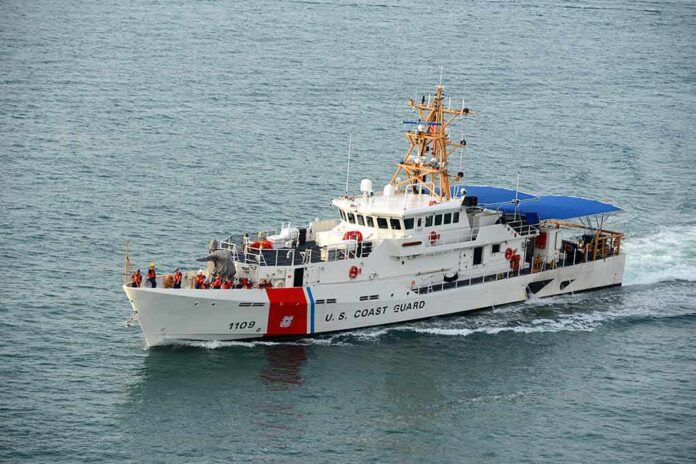
The Solomon Islands is opening its waters to United States Coast Guard patrols after years of keeping Washington at arm’s length.
Quick Take
- Prime Minister Matthew Wale said the Solomon Islands will sign a ship rider agreement with the United States Coast Guard in Honiara next week.
- The deal will let Coast Guard patrols operate with local police aboard to strengthen maritime enforcement and surveillance.
- The move matters because the Solomon Islands has been a holdout in a region where ship rider deals are already common.
- The agreement also comes after earlier tension, when Solomon Islands denied a Coast Guard cutter port access in 2022.
A Rare Reversal in the South Pacific
Prime Minister Matthew Wale said the Solomon Islands will sign a deal allowing the United States Coast Guard to patrol its waters with local police aboard. The agreement is set to be signed in Honiara next week and is meant to strengthen joint maritime enforcement and surveillance. That makes the move more than a routine security update. It marks a shift by a country that has long been seen as closer to China than to Washington.
The practical case for the deal is easy to see. The Solomon Islands has a huge maritime zone, but it has limited patrol capacity. Ship rider agreements let local officers ride on Coast Guard vessels and enforce local laws in their own waters. Maritime security experts say these deals are built to help stop illegal fishing and other crimes that are hard for small island states to police alone.
Why This Deal Matters
The Solomon Islands stands out because it was still described as a holdout while other Pacific Island countries had already signed similar arrangements. A Georgetown analysis said the island state had strengthened its police and security ties with the People’s Republic of China instead, even as the United States expanded the ship rider network across the region. In that sense, the new invitation is not just about boats and fisheries. It is a sign of how Pacific states are being pulled into a wider competition for influence.
The broader pattern is already established. The United States Coast Guard has signed ship rider agreements with 12 Pacific Island countries, including Fiji, Papua New Guinea, Samoa, Tonga, and others. Those agreements allow law enforcement officers from the partner country to join Coast Guard patrols in their exclusive economic zones. For island governments, that model offers a way to cover vast waters without building a large navy of their own.
Past Tensions Still Shadow the New Pact
This new opening follows a strained history. In 2022, Solomon Islands denied a Coast Guard cutter permission to call at Honiara, then later announced a temporary moratorium on foreign naval visits after the cutter was turned away. That episode showed how sensitive the country has been about outside military and security presence. The current agreement suggests officials now see maritime policing as useful enough to set aside some of that earlier caution.
Solomon Islands, China's closest Pacific ally, will sign a deal for the US Coast Guard to patrol its waters with local police aboard, PM Wale said on a visit to Washington.
A US Coast Guard vessel was blocked from refueling in Solomons in 2022.https://t.co/FIdFNbhEF2— Kirsty Needham (@KirstyLNeedham) July 21, 2026
The legal side also matters. When Chinese officials said earlier Coast Guard boardings of Chinese fishing boats in the South Pacific were illegal, the United States Coast Guard said the operations were carried out at the request of Pacific nations and complied with international law. That argument now sits in the background of the Solomon Islands deal. Supporters will see it as needed protection for fish stocks and sovereignty. Critics may see another sign that major powers are using smaller states to advance bigger strategic goals.
Sources:
insiderpaper.com, canzps.georgetown.edu, ipdefenseforum.com, digitalpasifik.org, content.govdelivery.com, scribd.com