America’s own government has now declared an international court a “national emergency” threat — raising hard questions about who really protects U.S. citizens and who answers to global power.
Story Snapshot
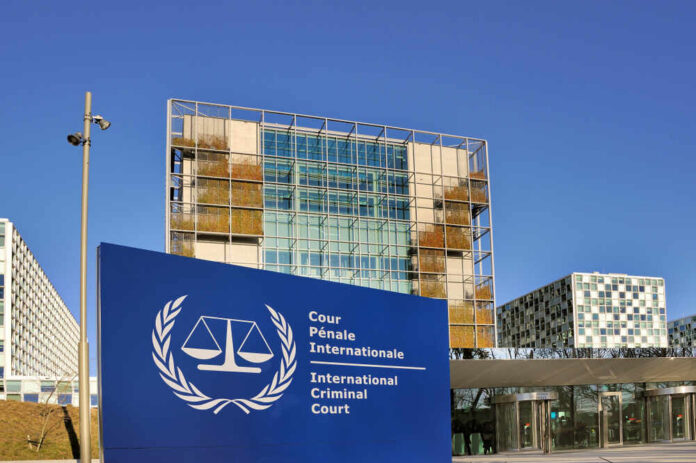
- The Trump administration has launched a full-scale campaign to weaken the International Criminal Court (ICC), calling it an intolerable threat to U.S. sovereignty.
- Executive orders and sanctions target the ICC’s chief prosecutor and multiple judges, blocking assets and travel and pressuring allies to pull away from the court.
- The administration insists the ICC has “no jurisdiction” over Americans, while critics say the court has never prosecuted a U.S. citizen and is being attacked to shield U.S. and Israeli officials.
- Global institutions like the European Union and United Nations condemn Washington’s moves as an assault on international justice, deepening distrust of U.S. power.
Trump Team Declares ICC a National Security Threat
The Trump administration’s clash with the International Criminal Court is not just a legal argument; it is framed as a national emergency. In a 2025 executive order, President Trump declared that any ICC effort to investigate, arrest, or prosecute U.S. officials, troops, or certain allies is an “unusual and extraordinary threat” to American national security and foreign policy. That order formally announced a national emergency and set the stage for sweeping sanctions against court officials who touch U.S. or Israeli cases.
Under that order, “protected persons” include current and former U.S. military members, elected and appointed officials, and others working for the U.S. government, as well as citizens of allied countries that have not accepted ICC authority. The White House argues the United States never ratified the Rome Statute, the treaty that created the ICC, so the court has no treaty-based jurisdiction over Americans. This taps into long-standing anger across both left and right about foreign bodies making decisions over U.S. citizens without their consent.
Sanctions, Travel Bans, and a Plan to “Disable” the Court
Secretary of State Marco Rubio rolled out the campaign as a “whole-of-government response” designed to “systematically disable” the ICC’s ability to operate against American servicemen and officials. Sanctions now reach at least 11 ICC officials, including the chief prosecutor and nine judges, and can freeze assets, block access to U.S. financial services, and impose travel bans. The State Department has also threatened individuals and organizations that provide funds, goods, or services to sanctioned ICC officials, making it harder for the court to function.
According to reporting by Reuters, the administration has gone further by demanding changes to the ICC’s founding charter. U.S. officials want explicit protections that bar investigations of President Trump and senior aides, require the court to end a long-running Afghanistan probe, and halt cases against Israeli officials over the Gaza conflict. If the court refuses, Washington has warned of additional penalties that could target more personnel and even the institution itself. For many Americans who already distrust “globalist” elites, these moves look like pushback against unaccountable foreign power.
Why Netanyahu and Afghanistan Became Flashpoints
The fight heated up after the ICC issued an arrest warrant in 2024 for Israeli Prime Minister Benjamin Netanyahu over alleged war crimes linked to the Gaza conflict. Trump and Rubio blasted the warrant as a “moral outrage,” saying it falsely equated Israel with Hamas and threatened a close U.S. ally. The administration also points to past ICC interest in Afghanistan, where the court once examined possible crimes by U.S. forces as well as by the Taliban and Afghan authorities. Those investigations feed fears on the right of foreign judges second-guessing U.S. troops in difficult wars.
At the same time, critics stress a key fact: the ICC has never prosecuted a U.S. citizen and has not investigated crimes on American soil. Human rights lawyers note that, while the court can claim jurisdiction over crimes committed on the territory of member states like Afghanistan, it still depends on those governments to arrest suspects and hand them over. They argue the administration is using the threat of possible cases, plus anger over Netanyahu’s warrant, to justify a broad assault on a court meant to punish genocide and war crimes worldwide.
Global Backlash and Shared Distrust of Elites
International reaction has been fierce. The European Union has called U.S. threats against the ICC’s elected officials “unacceptable,” and United Nations representatives describe the court as a “critical cog” in global justice efforts. Groups like Human Rights Watch say U.S. sanctions are an “outrageous abuse” of sanctioning power meant to sideline those who investigate serious crimes. Major outlets including Reuters and Al Jazeera frame the campaign as an attempt to “dismantle” or “attack” the court rather than a reasonable defense of sovereignty.
For many Americans, both conservative and liberal, this fight confirms a deeper worry: powerful actors play by their own rules. Supporters of Trump see foreign judges and international bodies trying to override U.S. voters and put American troops on trial abroad. Critics see Washington using emergency powers and sanctions to shield leaders and allies from accountability for possible war crimes, proving that elites are above the law. Either way, the battle over the ICC shows how far governments will go to protect their own — even if it means bending the meaning of “justice” and “sovereignty” to fit their side.
Sources:
gatewayhispanic.com, whitehouse.gov, amnesty.org, aljazeera.com, state.gov, hls.harvard.edu, reuters.com, theguardian.com