Cuba quietly stockpiling over 300 Russian and Iranian drones just 90 miles from Florida is forcing Americans to ask whether Washington is protecting them or playing yet another dangerous game.
Story Snapshot
- Classified U.S. intelligence says Cuba bought 300+ military drones from Russia and Iran since 2023 and discussed targets like Guantanamo Bay and Key West.
- Officials say Iranian military advisers are working in Havana and Cuba is seeking even more drones and gear from Moscow.
- U.S. assessments stress there is no active attack plan and describe the drones as a contingency option if hostilities erupt.
- Cuban leaders deny any offensive intent and accuse Washington of fabricating a threat that could be used to justify sanctions or even military action.
What U.S. Intelligence Says Cuba Has Built
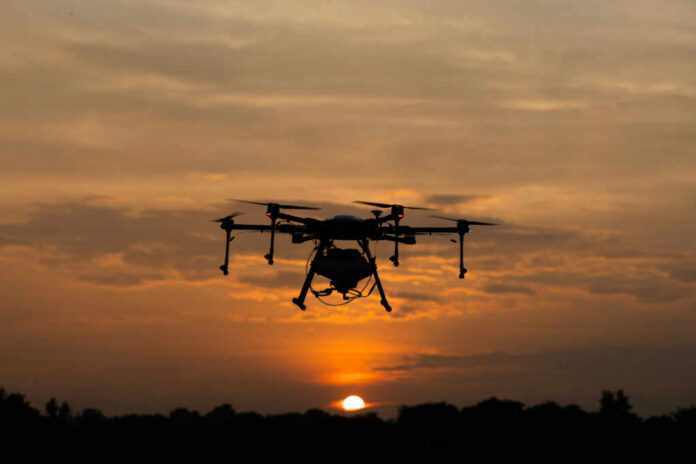
Classified United States intelligence, leaked to the media, says Cuba has acquired more than 300 military drones from Russia and Iran since 2023. These reports describe attack drones with different ranges and payloads, moved quietly onto the island over several years and hidden at key military sites. Officials briefed on the material say Cuban forces have talked about using these drones against the U.S. base at Guantanamo Bay, U.S. Navy ships in the region, and possibly even targets near Key West, Florida.
Senior American officials also say Iranian military advisers are now operating in Havana, helping Cuban officers study how Iran has used drones to challenge the United States and its allies. Intelligence reports claim Cuba recently went back to Moscow to ask for more drones and equipment, suggesting the build-up is continuing. In public hearings, Defense Secretary Pete Hegseth warned that any hostile power developing strike capability so close to the U.S. coastline is “highly problematic,” underscoring concern inside the Pentagon.
How Serious Is the Threat Right Now?
Even as they raise alarms, U.S. officials admit there is no sign Cuba is moving to actually strike U.S. targets today. The leaked briefings describe the drone plans as a contingency option that Cuban commanders would consider only if relations collapse and military conflict begins. Analysts who have seen summaries of the intelligence say the drones are meant to give Cuba a way to hit back, not a first-strike tool. One security expert even called a fleet of 300 drones “trivial” compared with United States military power, stressing Washington would quickly defeat any Cuban attack.
That gap between scary headlines and limited near-term danger has fueled unease across the political spectrum. The Axios report itself notes the intelligence “could become a pretext for U.S. military action,” language that reminds many Americans of the Iraq War, when disputed weapons claims helped sell a conflict that cost trillions and many lives. Responsible Statecraft and other outlets point out that this pattern—classified claims, anonymous sources, and talk of pretexts—has repeated with other Latin American states over the last two decades, often leading to sanctions and pressure but not open war.
How Cuba and Skeptics Are Responding
Cuban officials insist Washington is blowing the story out of proportion. Foreign Minister Bruno Rodríguez Parrilla has publicly rejected the idea of offensive plans, accusing the United States of fabricating a threat to justify new pressure or potential military action against Cuba. Cuban statements acknowledge they are modernizing defenses but say any drones would only be used if America attacked first, painting their posture as defensive rather than aggressive. They have not, however, released detailed logs or satellite proof to fully counter the specific claim of 300 foreign-made drones.
Critics inside the United States, including many on the left and some on the right, stress the lack of hard, public evidence behind the dramatic numbers. The media reports rely on unnamed officials and classified documents that citizens cannot see or check. Defence Security Asia notes that “no independent verification currently exists” for the intelligence claims, and that the story depends entirely on what anonymous sources say. This fuels fears that ordinary Americans are again being asked to trust secret files held by a political class many already view as part of a self-protecting “deep state.”
Why This Matters for Ordinary Americans
For conservatives who worry about weak borders, foreign threats, and a distracted government, the idea of hostile drones parked in Cuba feels like proof that Washington has failed to secure America’s own neighborhood. For liberals who are tired of wars and skeptical of “America First” rhetoric that still seems to favor military solutions, the talk of pretexts and secret briefings sounds like a repeat of past power plays rather than real protection. Both sides see a familiar pattern: elites trade warnings and denials while families in Florida and across the country are left wondering what is true and who, if anyone, is really looking out for them.
This drone dispute also fits into a wider global trend. At least 19 countries now have or are trying to get armed drones, which makes it cheaper and easier for smaller states to threaten larger ones from a distance. That technology shift is real, and it raises the stakes when any nearby country, friendly or unfriendly, starts buying advanced systems from Russia or Iran. The deeper question for Americans is whether their government will respond in ways that protect citizens and avoid another unnecessary conflict, or whether the Cuba drone story becomes one more chapter in a long history of fear, secrecy, and mistrust between the people and those who claim to govern in their name.
Sources:
pjmedia.com, dw.com, euromaidanpress.com, new.intellinews.com, youtube.com, defencesecurityasia.com, lavocedinewyork.com