

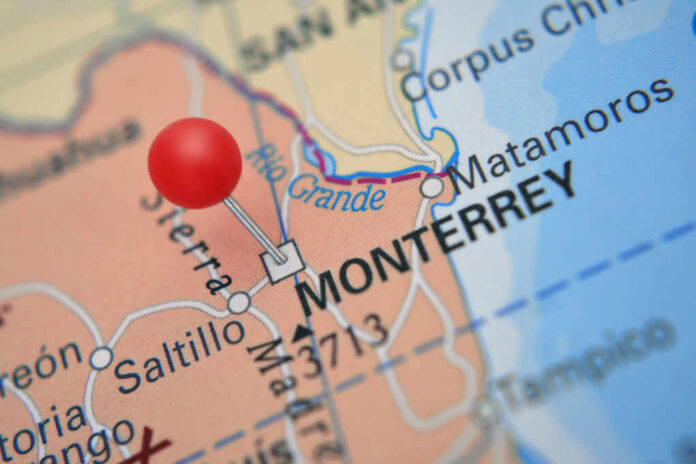
A shocking 2,029 young people have vanished without a trace in Monterrey, Mexico—the 2026 World Cup host city with the nation’s highest disappearance rate.
Story Highlights
- Monterrey leads Mexico with 2,029 missing persons, particularly young women near World Cup venues
- Clandestine mass graves discovered around BBVA Stadium, which will host four 2026 World Cup matches
- Cartel violence and corrupt law enforcement create systematic impunity for human trafficking operations
- FIFA faces mounting pressure over human rights crisis threatening international event safety
Border Violence Spreads to World Cup Venues
Monterrey’s strategic location near the US-Mexico border has transformed this industrial hub into a battleground for drug cartels and human smugglers. The city’s selection as a 2026 FIFA World Cup host has coincided with escalating disappearances, particularly in municipalities surrounding the BBVA Stadium. Organized crime groups exploit weak law enforcement and judicial corruption to operate sophisticated trafficking networks. This pattern demonstrates how Mexico’s security failures directly threaten regional stability and American border security interests.
VANISHING PEOPLE: The World Cup city where young people mysteriously disappearing
CITY OF THE LOST: Guadalajara, a World Cup site next year, lies in a cartel stronghold.
POLITICAL NEWSWIRE: As Trump considers attacking drug gangs, it offers a cautionary tale….
GUADALAJARA,… pic.twitter.com/ei4QX3rUsC
— Brian Harrod (@GetTheDailyDirt) August 31, 2025
Systematic Targeting of Vulnerable Youth
Official statistics reveal a disturbing pattern where young women comprise the majority of Monterrey’s missing persons cases. These disappearances concentrate in areas experiencing rapid development tied to World Cup infrastructure projects. Cartels deliberately target youth lacking family connections or economic opportunities, exploiting social vulnerabilities that government programs fail to address. The systematic nature of these crimes indicates organized networks operating with apparent impunity across multiple jurisdictions.
Government Failures Enable Criminal Networks
Mexican authorities acknowledge their inability to investigate the vast majority of disappearance cases effectively. Resource constraints, corruption, and intimidation cripple law enforcement response to organized crime. Recent discoveries of clandestine graves near World Cup venues underscore the scale of violence authorities have failed to prevent or prosecute. These failures reflect broader governance problems that allow criminal organizations to operate parallel power structures threatening civilian populations.
International Pressure Mounts on FIFA
Human rights organizations demand FIFA address security concerns before awarding future hosting rights to high-risk regions. The World Cup’s global spotlight intensifies scrutiny of Mexico’s human rights record and government accountability. International media coverage threatens to overshadow the sporting event with stories of missing youth and mass graves. This crisis demonstrates how international organizations must consider host nations’ ability to protect basic human rights when making hosting decisions.
The Monterrey crisis exposes fundamental problems with Mexico’s ability to provide security for its own citizens, let alone international visitors. These systematic failures highlight the urgent need for American leaders to address border security issues that extend far beyond immigration policy into human trafficking and organized crime networks operating across North America.
Sources:
In-depth analysis of disappearances in Monterrey and Nuevo León, with official figures and context
Review of World Cup host city security and human rights commitments
Human rights risks and policy analysis for 2026 World Cup host countries