Public vows to curb a Rafah assault ran alongside fresh U.S. weapons approvals for Israel, exposing a gap between words and actions that fueled a wider war and deeper distrust.
Story Highlights
- Biden said he would halt certain weapons if Israel launched a major Rafah operation.
- At the same time, the U.S. advanced new arms sales and many transfers to Israel.
- Officials paused a shipment of heavy bombs tied to Rafah but kept broader support.
- Both left and right saw mixed signals as proof Washington protects its own interests first.
What The Administration Said Versus What It Did
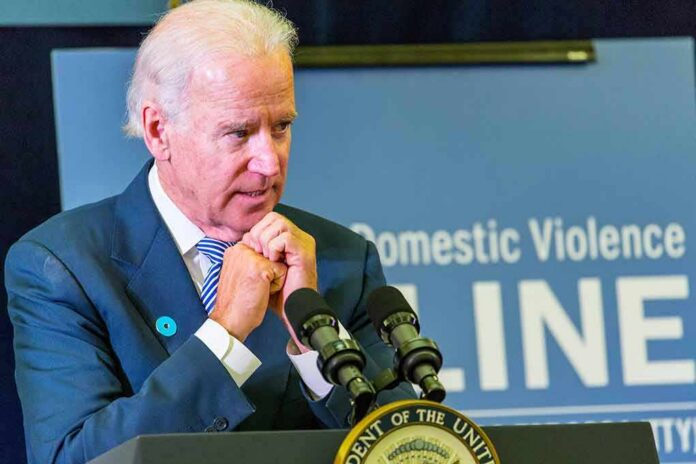
President Joe Biden told CNN in May 2024 that the United States would stop sending bombs and artillery shells if Israel launched a major operation in Rafah. He also said American bombs had contributed to civilian deaths, and that support would focus on Israel’s defense, like Iron Dome, if Rafah crossed his line. Soon after, the White House confirmed it had paused a shipment of large bombs while it reviewed how Israel might use them in Rafah.
While the pause signaled limits, other actions told a different story. The Associated Press reported plans for about one billion dollars in new arms and ammunition for Israel, including tank rounds, tactical vehicles, and mortar shells. The Washington Post reported more than one hundred separate U.S. arms transfers to Israel since October 7, including precision munitions and bunker busters. Those approvals continued even as debate over Rafah and civilian harm grew in Congress and among U.S. allies.
How Policy Mixed Restraint With Continuity
Senior officials framed the pause as leverage to force changes in Rafah planning and reduce civilian harm. Politico reported that Biden ordered the bomb shipment halted to send a message to Prime Minister Benjamin Netanyahu about civilian protections. A congressional research brief noted the formal review of some near-term assistance and the specific hold on two thousand and five hundred pound bombs due to Rafah risks. Together, those steps showed targeted restraint without a full break in support.
That approach matched a common U.S. playbook in the region: set conditions in public, slow or pause one category of weapons, and keep broader security help going. Supporters said this kept pressure on Israel to limit civilian harm while preserving deterrence against Iran-backed groups. Critics on both sides argued the mix confused allies and voters. They saw a policy that promised limits yet still armed a grinding war that displaced civilians and inflamed the region.
Why This Fuels Public Frustration At Home
Americans across the spectrum are tired of Washington saying one thing and doing another. Conservatives see a foreign policy that drifts, spends heavily, and fails to set clear goals. Liberals see aid flowing despite rising civilian deaths and weak safeguards. The result is the same: many believe leaders protect their positions and donors over plain, consistent policy. The gap between the Rafah “red line” and continued sales became a symbol of that deeper mistrust.
The stakes are bigger than one shipment or one city. Mixed signals can extend wars, strain budgets, and weaken U.S. credibility. Clear policy would match words to actions: define the limits, enforce them, and explain trade-offs in public. Whether the goal is stopping a major assault, protecting civilians, or backing an ally’s defense, the government owes the country a consistent plan. Voters deserve straight answers before more money, weapons, and lives are on the line.
Sources:
politico.com, apnews.com, cnn.com, congress.gov, en.wikipedia.org