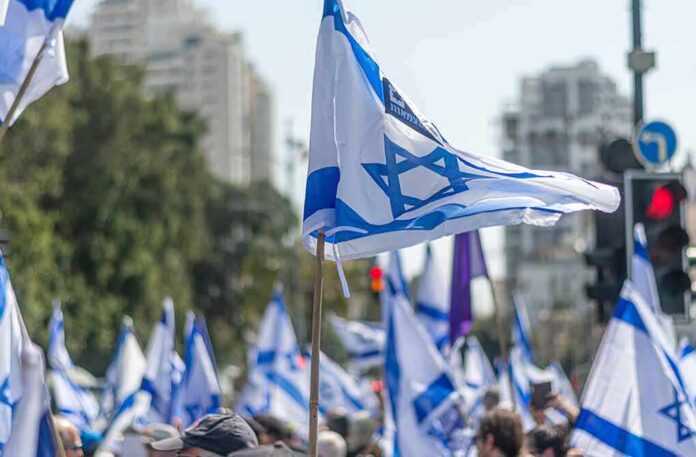
Israel’s order to shut the UK consulate in Jerusalem turns a sanctions dispute into a direct diplomatic rupture with real risks for security, trade, and regional stability.
Story Snapshot
- Israel moved to close the UK consulate in Jerusalem after British sanctions on settler-linked actors.
- Britain has sanctioned named individuals, outposts, and groups tied to West Bank violence since 2024.
- Israel rejects the sanctions as political interference and warns of quick retaliation.
- The clash could disrupt services for citizens, strain trade, and deepen regional tensions.
What Triggered Israel’s Closure Order
Israel ordered the closure of the United Kingdom’s consulate in Jerusalem after a new round of British measures targeting networks linked to settler violence in the West Bank. The United Kingdom and allied governments said the steps aim to curb attacks and financing that harm Palestinian communities. Israel framed the actions as hostile and said foreign sanctions target Israelis unfairly. Officials in Jerusalem also signaled earlier that any British move would bring a fast and significant response.
British sanctions have expanded over two years. Government releases since early 2024 list named settlers, organizations, and illegal outposts facing asset freezes, travel bans, and related restrictions. United Kingdom officials say the measures answer clear patterns of abuse and support for violence. They also say settlement expansion and new outposts break international law. The June 2026 joint action with several allies widened the net to firms accused of enabling or financing these activities in the West Bank.
What The UK Has Actually Sanctioned
United Kingdom notices identify specific people and entities said to enable or carry out violence. The lists include well-known movement figures and groups that fundraise, train, or provide logistics. The United Kingdom has also targeted select outposts described as illegal, along with companies that support them. A September 2024 written reply to Parliament said the United Kingdom had sanctioned multiple individuals and two entities tied to abuses against Palestinian communities, showing a growing policy record.
Recent measures built on earlier rounds. In May 2024, the United Kingdom sanctioned two organizations and four individuals for roles linked to violence in the West Bank, according to Reuters. Later actions hit a broader “network,” adding restrictions such as director bans. The June 2026 allied step moved beyond people to include firms that allegedly move money, goods, or services that help violent actors operate. These moves suggest a shift from narrow designations to structural pressure points.
How Israel Is Responding And Why It Matters
Israel’s foreign ministry rejected the sanctions as a disguised attempt to force a political view on Jewish settlement in the West Bank. It said the measures are “disgraceful” and fuel antisemitism, while denying that they target violence fairly. Senior officials warned that responses would be swift and serious. The consulate closure order fits that line and raises the cost for both sides by cutting channels needed for security, visas, and crisis help for citizens in the region.
JUST IN: 🇮🇱🇬🇧 Israel to close UK consulate in Jerusalem over sanctions on Israeli settlements.@thefreeledger
— freeledger (@thefreeledger) September 8, 2026
The diplomatic break lands at a time of global distrust in institutions. People on the right see mission creep, selective outrage, and an international push to police allies abroad. People on the left see a pattern of impunity and stalled accountability. Both sides worry elites use rules to protect power, not people. Here, one government cites human rights law to justify sanctions, while another claims outside meddling. The result is a standoff that risks everyday services and business ties without solving the violence.
What Changes Now For Ordinary People
Consulate operations can be lifelines. Closures can delay passports, legal help, and emergency support for citizens and aid workers. Business travelers and charities can face extra hurdles. Firms tied to flagged networks may lose banking access or insurance even if they deny wrongdoing. Israel’s promised countermeasures could add more limits on movement and official visits. Each added barrier feeds a cycle where politics punishes the public while armed actors and funders often find workarounds.
Policy experts warn targeted sanctions work best with clear evidence, transparent goals, and steady follow-up. The United Kingdom has supplied names and legal justifications but has not published full case files, which is common for sanctions but invites pushback. Israel’s blanket rejection does not address specific allegations of violence that even its leaders have sometimes condemned. That gap leaves room for more rounds of action and reaction, while the core problem on the ground remains unresolved.
What To Watch Next
Watch for whether Israel limits the closure’s scope or doubles down with more steps against British officials. Look for any British move to expand import bans or service restrictions linked to settlements. Track whether allied governments keep pace, since coordination raises pressure and costs. Finally, watch if either side opens a quiet back channel to restore consular functions. Restoring basic services would help people first, without forcing either capital to abandon its public stance.
Sources:
insiderpaper.com, gov.uk, reuters.com, theguardian.com, bbc.com, bloomberg.com