New York’s new mask ban for law enforcement targets federal officers and risks exposing Immigration and Customs Enforcement families to doxxing and threats [4].
Story Snapshot
- Governor Kathy Hochul signed a law banning officers, including federal agents, from masking during public interactions [2].
- The United States Department of Justice sued New York, citing federal supremacy and officer safety risks [4].
- The law also limits cooperation with federal immigration enforcement and invites civil lawsuits against officers [2].
- Courts already halted a similar California law, signaling legal trouble for New York’s approach [20].
What New York’s Law Does, And Why It Matters
Governor Kathy Hochul signed a package that bans state, local, and federal officers from wearing face coverings when interacting with the public, except for tactical gear or medical needs [2]. The package blocks local agreements that let police aid federal civil immigration enforcement and lets New Yorkers sue officials for rights violations tied to immigration actions [2]. These measures directly affect how federal officers operate in New York. They also raise sharp questions about state power over federal agents.
The policy does more than restrict masks. It restricts access for immigration officers to non-public areas of many public facilities without a judicial warrant and prevents state and local help on civil immigration tasks [2]. Supporters say this protects residents and improves transparency. Critics say it shields unlawful presence and invites chaos. The mask rule sits at the center of the fight because it forces agents to reveal their faces during tense operations, where doxxing and retaliation risks are real [4].
Why The Justice Department Sued New York
The United States Department of Justice filed a lawsuit arguing New York cannot criminalize federal officers for how they carry out their duties [4]. Justice Department leaders said the ban endangers officers who have faced harassment and doxxing, and it could chill lawful enforcement operations [4]. The complaint also targets New York’s limits on identification rules and on partnerships that help enforce federal law. The suit relies on the Constitution’s Supremacy Clause, which gives federal law priority over conflicting state measures.
For conservative readers, the stakes are clear. Federal immigration enforcement is a core national duty. States can set local priorities, but they cannot block or weaken federal law. The lawsuit frames New York’s law as an effort to regulate and punish federal officers for protecting their identities [4]. That fight reaches beyond masks. It is about whether a state can rewrite federal ground rules on immigration enforcement inside its borders, despite clear constitutional limits when state laws conflict with federal operations.
Courts Have Already Signaled Trouble For Mask Bans
Courts already blocked a similar law in California known as the “No Secret Police Act,” which also applied to federal officers [20]. A federal district court granted an injunction, finding the measure likely violated federal supremacy and improperly targeted federal operations [20]. New York’s law attempts a broader, statewide approach, but it still puts federal agents under state penalties. That parallel suggests New York will face the same roadblocks. Lawmakers in many states have discussed such bans, but few became law, and the legal risks are obvious [20].
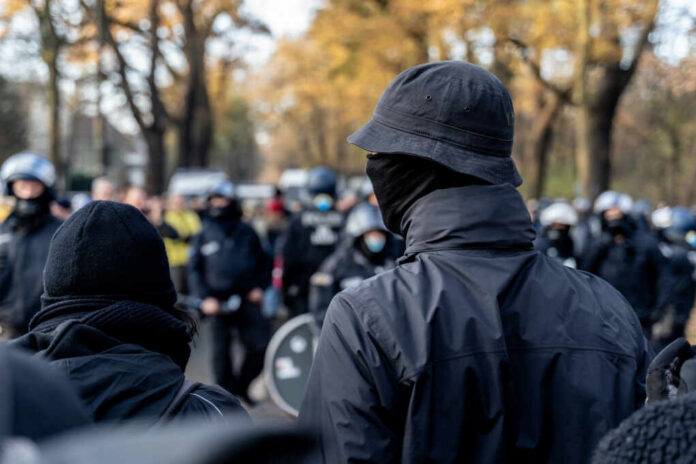
That legal backdrop matters for safety and order. Most officers do not wear masks in routine work. But immigration arrests often involve violent felons, gang ties, or cartel links. When agents serve warrants or detain subjects in hostile crowds, masks protect them and their families from online mobs and real-world threats. The Justice Department highlighted those risks in its filing, noting that doxxing and violence have surged, and that New York’s penalties would make necessary precautions a crime [4].
Safety, Transparency, And Common-Sense Limits
Supporters of the ban claim masks intimidate the public and reduce accountability. The state’s release promotes lawsuits and facility access limits as checks on abuse [2]. But the policy sweeps too wide. It reaches federal officers and threatens prosecution even when agents need anonymity to avoid harassment at home. California’s failed attempt shows the danger of letting politics drive police rules. A better path sets clear identification standards while preserving safety steps during sensitive operations, rather than banning them outright [20].
Snitch Lines Are Back! Kathy Hochul Tells New Yorkers to Rat Out Masked ICE Agents https://t.co/ZtaQtjOMQn
— Patrick Van Roy (@PatrickVan81948) June 27, 2026
Conservative readers should watch two fronts now. First, the federal lawsuit will test whether states can criminalize federal safety gear and block cooperation. Second, enforcement on the street will decide whether criminals, traffickers, and cartel networks gain ground while officers face new legal traps. The Constitution supports federal primacy in immigration enforcement. New York’s push to unmask agents looks less like transparency and more like state overreach that risks lives and undermines the rule of law [4].
Sources:
[2] Web – Governor Hochul Announces New Mask Mandate – LeadingAge NY
[4] Web – Hochul backs law enforcement mask ban – POLITICO
[20] Web – States look at banning masked agents, but local police have doubts