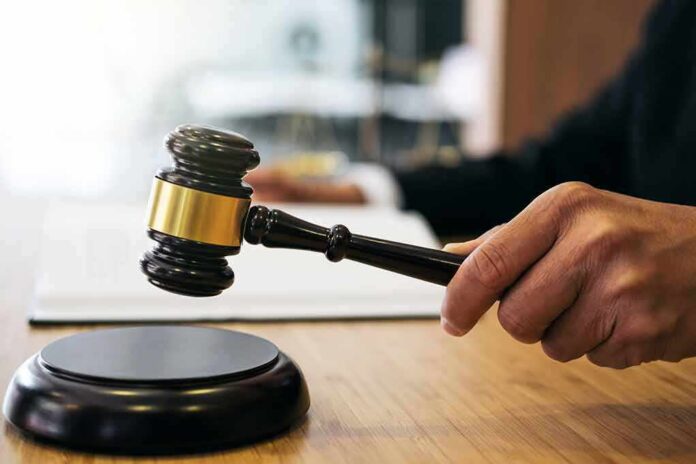
The Justice Department backed down and dropped its subpoenas against New York Times reporters after a federal judge said prosecutors skipped legally required steps before demanding their testimony and phone records.
Quick Take
- The Justice Department withdrew subpoenas targeting three New York Times reporters who covered security concerns about President Trump’s Qatari-donated Air Force One jet.
- U.S. District Judge Arun Subramanian criticized the government’s legal work and said he would have granted the Times’ request to block the subpoenas.
- The subpoenas had sought both grand jury testimony and phone records from reporters and, in some cases, third parties tied to them.
- This is the second time in weeks the department has issued and then pulled back media subpoenas, after a similar retreat involving The Washington Post and The Wall Street Journal.
Judge Presses Prosecutors Over Missing Legal Steps
Federal prosecutors agreed at a July 23 court hearing to drop subpoenas issued to New York Times reporters who wrote about safety worries tied to the Qatari-gifted Air Force One jet. Manhattan U.S. Attorney Jay Clayton’s office made the move after Judge Subramanian openly questioned whether the government had followed the legal steps required before targeting journalists.
Subpoenas to reporters are supposed to be a last resort, not a starting point, the judge said, according to reporting on the hearing. He indicated he otherwise would have sided with the Times and blocked the subpoenas outright, a sign the government’s case had real legal problems, not just bad optics.
What the Subpoenas Demanded
The requests covered grand jury testimony from three reporters and also reached phone service providers, seeking call records tied to the journalists and, according to some reports, their family members. That scope drew sharp criticism from press-freedom groups, who argued the effort went far beyond identifying a leak source.
Deputy U.S. Attorney Sean Buckley told the judge the government was prepared to unilaterally withdraw the subpoenas rather than fight the challenge further. A Justice Department spokesperson had earlier said the goal was to find the original source of the leak, not to punish the reporters themselves.
A Pattern of Retreats on Media Subpoenas
This is not the department’s first stumble. Weeks earlier, prosecutors issued and then withdrew similar subpoenas against reporters from The Washington Post and The Wall Street Journal after those outlets pushed back in sealed court filings. Together, the two retreats point to a shaky, inconsistent process inside the department rather than a single isolated misstep.
Coverage of the case has repeatedly used blunt language, calling the government’s handling “sloppy legal work” and describing “serious errors” in an overnight court filing. Talking Points Memo reported the department conceded major mistakes while trying to frame the retreat as reasonable, rather than admitting outright fault.
Press Groups and Legal Advocates React
The Committee to Protect Journalists had demanded the department drop the subpoenas, calling the original move an attack on news gathering tied to coverage the public had a clear interest in reading. Once the withdrawal came, an attorney representing the Times said the government finally conceded the subpoenas broke the law, adding they should never have been issued at all.
The Department of Justice dropped subpoenas to a group of New York Times reporters after a judge questioned whether the government taken the legally necessary steps before issuing the requests. https://t.co/ngl1efkpMc
— Bloomberg (@business) July 23, 2026
The dispute lands squarely inside a bigger, older argument in American law: how far can the government go when it hunts for a national security leak before it tramples on a free press. Judges have long treated reporter subpoenas as an extraordinary step, only used after every other option runs out. This episode did not settle that fight, but the government’s retreat shows the limits still hold weight in court.
The underlying leak investigation is not over. Federal officials have signaled they may return with new subpoenas if they gather more evidence to support them. For now, the reporters keep their sources protected, and the episode adds to a growing list of moments where Americans across the political spectrum are questioning whether federal agencies move too fast and skip the rules meant to check their power.
Sources:
bloomberg.com, pbs.org, usatoday.com, brieflynews.io, cpj.org, commondreams.org, washingtonpost.com