
Minnesota lawmakers are pushing to punish towns over which flag they fly while investigators are still untangling hundreds of millions in alleged fraud losses.
Quick Take
- Eight Minnesota Democrats introduced a bill that would cut local government aid for cities or counties that keep flying the old state flag instead of the redesigned 2024 version.
- The proposal lands amid ongoing scrutiny of major fraud cases tied to Minnesota welfare and health programs, including federal investigations and indictments.
- A February 2026 U.S. House hearing featured Gov. Tim Walz and AG Keith Ellison defending the state’s approach as Republicans pressed for accountability.
- National Republicans are folding Minnesota into a broader 2026 message that Democratic-led states are “ground zero” for waste, fraud, and abuse in public programs.
A culture-fight bill collides with a taxpayer-trust problem
Late April 2026 brought a new flashpoint in Minnesota politics: eight state lawmakers proposed penalizing local governments that refuse to adopt the state’s redesigned 2024 flag. The measure would reduce local government aid for cities or counties still using the older design. The push is unfolding while Minnesota continues to face headline-grabbing fraud investigations in public programs, a contrast that has energized critics who want lawmakers focused on oversight and recovery.
The immediate dispute is narrow—what symbols local governments display—but the political stakes are broader. Local aid is not a symbolic issue for small towns balancing budgets, funding police and fire services, and maintaining roads. When state leaders threaten to use funding as leverage over a cultural dispute, it raises a familiar question for voters across the spectrum: why is government quick to police appearances, yet slow to prevent large-scale losses in programs paid for by taxpayers?
Fraud investigations keep Minnesota in the national spotlight
Minnesota’s flag debate is unfolding against the backdrop of major fraud cases tied to welfare and health programs that investigators say cost hundreds of millions of dollars. Federal involvement has included probes, indictments, and asset-seizure efforts, and the Trump administration’s “Operation Metro Surge” sent additional federal personnel to the Twin Cities area as the investigations intensified. By spring 2026, officials indicated the surge was winding down, but scrutiny of program integrity remained active.
Republicans argue the Minnesota experience is part of a wider pattern in big-spending, heavily administered benefit systems where verification is weak and incentives invite abuse. Democrats counter that fraud often comes from outside actors and that investigations can be used as a pretext for partisan attacks, including attacks linked to immigration enforcement. Those competing claims are central to why the issue keeps resurfacing: voters want concrete results—recoveries, convictions where warranted, and structural fixes—more than political talking points.
What the Walz-Ellison hearing revealed about the divide
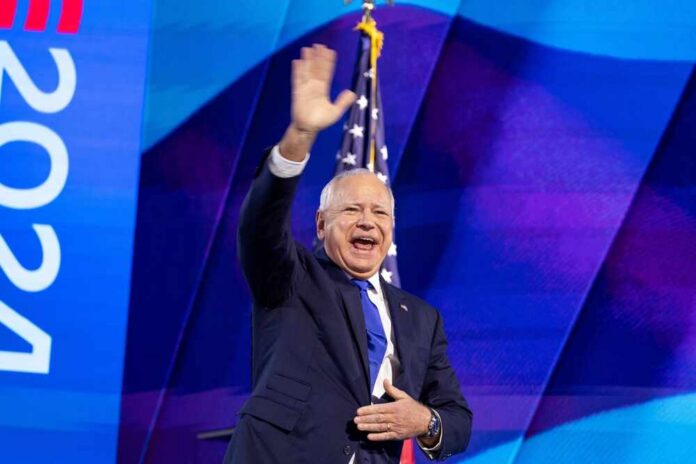
At a February 2026 House hearing, Gov. Tim Walz and Attorney General Keith Ellison defended Minnesota’s handling of the fraud cases as Republican lawmakers pressed them on oversight failures and accountability. Walz also criticized the Trump administration’s federal actions, arguing agents were “wreaking havoc” under the guise of fraud enforcement. The exchange underscored how quickly fraud oversight becomes a proxy fight over federal power, immigration enforcement, and who gets blamed when large programs break down.
From a limited-government perspective, the hearing highlighted a basic tension: expansive programs require strong controls, but those controls are politically unpopular when they mean more verification, tougher eligibility checks, and tighter procurement rules. When leaders expand benefits without building durable guardrails, enforcement becomes reactive—raids, task forces, and headlines—rather than preventive management. That’s costly for taxpayers and corrosive for legitimate recipients who depend on programs working as intended.
Why the 2026 messaging war matters beyond Minnesota
National campaign committees are already using Minnesota as a case study, pairing it with disputes and investigations in states like Maine, California, and New York. The messaging is blunt: Democrats say they champion the vulnerable, while Republicans say the same systems are being looted because leadership tolerates lax enforcement. Separately, a congressional analysis of improper enrollment in federal health coverage has added fuel to calls for stricter verification and tighter eligibility enforcement.
For conservatives frustrated with overspending and “elite” governance, the Minnesota story reinforces a simple demand: government should secure the public’s money before it tries to micromanage local communities. For liberals worried about inequality and access, fraud scandals create a different risk: public trust collapses, and support for legitimate safety-net programs erodes. Either way, the flag bill’s timing is politically combustible because it suggests lawmakers can move quickly on symbolism while the harder work of reform drags on.
In a State Rife With Fraud, This Is What Dems Focus on
A naked usurpation of the right of reasonable home rule. How many Minnesota citizens were first interviewed about their state flag preference?https://t.co/nD2b7GsQv6
— David A. Goldman (@DavidAGoldman2) May 3, 2026
Minnesota’s next chapter will hinge less on which flag flies over city hall than on whether leaders can demonstrate measurable improvements: faster detection, cleaner contracting, stronger eligibility checks, and transparent reporting on losses and recoveries. Without that, both sides will keep feeding the same national narrative—that government is failing ordinary Americans—and voters will keep concluding that protecting institutions matters less to politicians than protecting their own power.
Sources:
Republican messaging on fraud and Democrats
CBO: Democrats Covered Up Widespread Fraud and Abuse in Federal Health Programs
In a State Rife With Fraud, This Is What Dems Focus on
Tim Walz testifies at House hearing on Minnesota fraud
California’s In-Home Supportive Services Program and fraud concerns
Democrats Ignore Massive Fraud—Why?