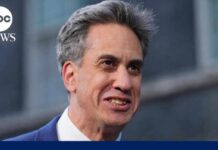
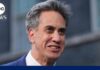
Oklahoma’s top records officer was arrested outside a McDonald’s after bodycam showed police citing slurred speech, alcohol odor, and shifting stories about how he got there.
Story Snapshot
- Edmond police arrested Secretary of State Benjamin Lepak for suspected public intoxication after late-night contact at a McDonald’s drive-thru.
- Bodycam captured an officer stating the legal basis: “You’re under arrest for public intoxication”.
- Attorney General Gentner Drummond said Lepak appeared “thoroughly inebriated” after reviewing bodycam and urged his removal.
- Lepak’s office said he was waiting for dinner and was not given a breathalyzer test.
What Police Say Happened Outside the McDonald’s
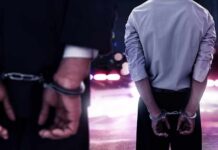
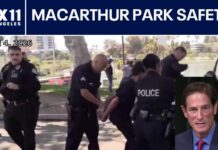
Edmond police encountered Oklahoma Secretary of State Benjamin Lepak near a McDonald’s drive-thru on Aug. 14, 2026. Officers said they smelled alcohol, heard slurred speech, and saw signs of imbalance before making the arrest. Body-worn camera video shows an officer telling Lepak he was under arrest for public intoxication. Reporters with local outlets reviewed the footage and matched those details in their coverage of the encounter.
Coverage also describes shifting statements about how Lepak arrived. Accounts say he first denied drinking, then said he had a small amount, and offered different explanations of his travel to the restaurant, including that he drove and also that he walked from a nearby church. Police treated the inconsistencies, combined with observed behavior, as part of their probable cause to arrest for public intoxication that night.
Why the Attorney General Weighed In
Oklahoma Attorney General Gentner Drummond reviewed the body-worn camera video and released a statement four days later. Drummond said the footage showed Lepak was “thoroughly inebriated.” He suggested Lepak may have been untruthful with police about how much he drank and how he arrived. He urged immediate removal from the statewide office, escalating the incident from a municipal arrest to a debate over fitness for public service.
Such rapid, public pressure can shape outcomes before full records are released. Here, the strongest evidence in public view is observational, not chemical. Reporting and statements say no breathalyzer test appears in the record. That gap does not erase officer observations, but it gives critics an easy line to question whether intoxication was proven beyond doubt at the scene or only inferred from behavior.
What We Know and What We Do Not
Bodycam clips, local reporting, and official statements align on key facts: the arrest took place Aug. 14, outside an Edmond McDonald’s; officers cited slurred speech and alcohol odor; an officer stated the legal basis on camera; and Lepak gave differing accounts of his evening. These points are supported by named outlets and the public video. However, the public has not seen a full sworn incident report or unedited video with synced timestamps in one release.
Without a chemical test, the case rests on the “totality of circumstances” standard common in such arrests, where sight, smell, and speech can meet probable cause. That standard often holds up in court, but it can feel subjective to the public. Lepak’s office notes he was waiting for dinner and promises to address the charge through the legal process. Until full records are out, both sides will lean on the same video to tell different stories.
Why This Matters Beyond One Night
Public trust is already thin. Many Americans think powerful people play by different rules and that institutions protect insiders. A swift arrest of a statewide official suggests the rules reached the top that night. Yet selective video clips, fast political calls for removal, and missing lab data can also look like a rush to judgment. Both left and right see a system that often communicates more spin than clarity. Full, prompt records would help close that trust gap.
Sources:
foxnews.com, tmz.com, youtube.com, oklahoman.com, facebook.com