Senator Mike Lee’s public call to impeach a federal judge spotlights a deeper fight over who sets the rules for voting by mail.
Story Snapshot
- Senator Mike Lee urged Congress to impeach Judge Indira Talwani after she blocked a federal mail-ballot rule more than once.
- Judge Talwani issued a temporary restraining order on August 27 and a preliminary injunction on September 4 against the Postal Service rule.
- Reports say the judge found the rule likely unlawful or unconstitutional as the election nears.
- The administration turned to the Supreme Court while debate grows over when judicial rulings justify impeachment.
What Prompted Senator Lee’s Impeachment Demand
Senator Mike Lee, a member of the Senate Judiciary Committee, said Congress should impeach United States District Judge Indira Talwani after she repeatedly blocked a federal rule tied to mail-in ballots. Lee posted the demand on X, arguing the judge overstepped by halting the policy more than once. His comments came after weeks of legal back-and-forth between the administration and the court, with deadlines for election mail fast approaching in many states.
Judge Talwani’s orders target a United States Postal Service rule linked to an executive directive on ballot handling. The judge first halted the rule in late August. She then replaced that order with a broader preliminary injunction in early September, stopping enforcement as the case proceeds. Lee framed those moves as activism. Supporters of the rulings say the court acted to prevent harm to voters and election officials while the legal issues are still being decided.
What The Court Actually Did And Why
On August 27, Judge Talwani issued a 14-day block on the Postal Service rule and said the challengers were likely to show it violates the United States Constitution. On September 4, she issued a preliminary injunction, continuing to bar the rule while the case moves forward. Coverage from national outlets said she viewed the policy as likely unlawful or unconstitutional, especially with ballots already going out and election timelines tight.
Earlier, the judge also found the government had not followed one of her directives in the dispute over the same policy. A report described her conclusion that officials had not complied with instructions tied to rulemaking steps, reinforcing the ongoing clash between the court and the administration. These findings, combined with the timing before an election, set the stage for emergency appeals and intense political reaction.
Appeals To The Supreme Court And The Bigger Norms At Stake
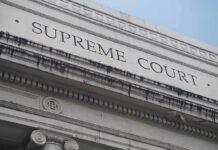
After the August and September orders, the administration sought relief from the Supreme Court. Specialized court coverage described fresh emergency filings as the next step to clear the rule before ballots are counted. Turning to the high court is the standard way to contest a lower-court injunction in a time-sensitive election case. That track can move quickly when deadlines could affect how votes are received and counted.
Judicial impeachment is a much higher bar than winning an appeal. Federal judges hold office during “good behavior,” and Congress may remove them through impeachment and conviction for grave misconduct. Noncriminal removal is historically rare and not the usual response to disputed legal rulings. A widely cited explainer notes that appeals, not impeachment, address disagreements with a decision, especially in election cases that often use emergency injunctions.
Why This Fight Resonates Beyond One Case
The clash blends three themes that worry Americans across party lines: election rules, separation of powers, and elite accountability. Supporters of the rule say tighter systems guard against mistakes and fraud. Opponents say rapid changes close to an election can block valid votes and strain local offices. Courts often step in to keep the rules stable when deadlines loom. That is why injunctions show up so often in voting lawsuits.
𝐒𝐄𝐍𝐀𝐓𝐎𝐑 𝐌𝐈𝐊𝐄 𝐋𝐄𝐄 𝐃𝐄𝐌𝐀𝐍𝐃𝐒 𝐈𝐌𝐏𝐄𝐀𝐂𝐇𝐌𝐄𝐍𝐓 𝐎𝐅 𝐉𝐔𝐃𝐆𝐄 𝐓𝐀𝐋𝐖𝐀𝐍𝐈 𝐅𝐎𝐑 𝐃𝐄𝐅𝐘𝐈𝐍𝐆 𝐓𝐇𝐄 𝐒𝐔𝐏𝐑𝐄𝐌𝐄 𝐂𝐎𝐔𝐑𝐓
Obama-appointed federal judge 𝐈𝐧𝐝𝐢𝐫𝐚 𝐓𝐚𝐥𝐰𝐚𝐧𝐢 spent months blocking President Trump's executive order tightening… pic.twitter.com/C70g3b1xnz
— M.A. Rothman (@MichaelARothman) September 7, 2026
Calls to impeach a judge for rulings test long-standing limits on political retaliation against the bench. Many citizens fear powerful insiders bend rules for their side. Others fear judges or agencies can change election rules too close to voting. Appeals give a lawful path to resolve those fears. As the Supreme Court weighs the case, the key question is not who “wins,” but whether the process upholds clear rules the public can trust.
Sources:
theguardian.com, reuters.com, scotusblog.com, nbcnews.com, yahoo.com, usatoday.com, latimes.com