Search crews found one body after a small plane carrying four Florida family members vanished near Andros Island in the Bahamas, sharpening fears about a system that too often leaves families waiting for answers.
Story Highlights
- A PA-34 Piper with tail number N212ML disappeared west of Andros Island, Bahamas.
- Bahamas officials asked the United States Coast Guard for help in the search.
- The flight left Great Harbour Cay for Miami Executive Airport and lost contact en route.
- Authorities reported finding one body as search efforts continued, while cause remains unknown.
What Authorities Confirmed So Far
Bahamas police said a PA-34 Piper five-seat plane with tail number N212ML went missing about 13 miles west of Andros Island on Monday, after air traffic control lost contact during its flight to Florida. Officials said four family members were on board. Bahamas officials contacted the United States Coast Guard and requested help finding the downed plane that afternoon, triggering a joint search over waters off North Andros. One body was later found, authorities said.
Reporters in South Florida said the aircraft departed after 10 a.m. from Great Harbour Cay Airport and was headed to Miami Executive Airport when contact was lost. Search crews focused first on the last known position off the west coast of North Andros, where currents and changing weather can quickly expand the search area. Officials did not release a suspected cause. Early reports in cases like this often center on locating people and wreckage rather than explaining why the loss happened.
How the Search Works Over Open Water
Search teams plan grids based on the last known point, then adjust as winds and currents move debris and people. That approach, used in past ocean searches, updates the most likely area as new clues appear, such as a sighting or recovered item. In the Bahamas, that means each hour can shift the search box by miles, which makes quick coordination between the Bahamas and the United States vital and raises both the cost and time to find evidence.
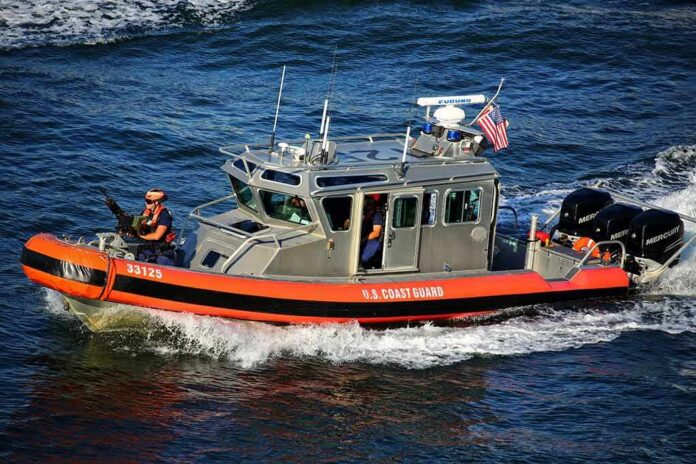
The United States Coast Guard often deploys fixed-wing aircraft that fly low and slow to spot debris patterns, life vests, or oil sheens. The Bahamas leads in its own waters while asking for outside help when needed. That division of labor matches long-standing search and rescue practice. A negative result in a given area does not end the mission; it guides teams to reset the grid and push into the next zone until a lead emerges or the search is suspended.
Why This Hits a Nerve Across the Political Spectrum
Families want swift answers when a plane vanishes near home. People on the right and the left also worry that government systems strain under stress. Ocean searches highlight gaps that many Americans recognize elsewhere: limited transparency during active operations, slow release of data, and long waits before investigators explain what failed. Those patterns show up regardless of who holds power in Washington, and they deepen the sense that regular citizens come last when systems bog down.
BREAKING | BODY REPORTEDLY FOUND IN SEARCH FOR MISSING FLORIDA FAMILY PLANE
A body has reportedly been found during the search for the four-member Florida family whose small plane disappeared after taking off from the Bahamas for South Florida, according to a family member.
The… pic.twitter.com/taGKjbZRyL
— CSB News USA (@csbnewsus) September 8, 2026
Clear steps can help. Investigators can release air traffic audio, radar plots, and any flight-tracking data tied to the tail number once it is proper to do so. Agencies can publish weather and sea-state summaries for the time of loss, and share search-area maps when it will not hinder operations. When a body or debris is recovered, prompt, careful updates can steady families and the wider public while the formal probe continues.
Sources:
cbsnews.com, bea.aero, earthmagazine.org