Flight 357’s emergency landing after a passenger’s device burst into flames spotlights the persistent threat of high-risk technology.
Story Snapshot
- An American Airlines flight made an emergency landing after a passenger’s electronic device caught fire midair.
- The crew rapidly contained the fire using specialized suppression equipment, preventing injuries or further escalation.
- Federal investigators have launched a probe, with the device type still undisclosed and regulatory updates possible.
- Experts warn that increased reliance on personal electronics continues to challenge in-flight safety protocols nationwide.
Crew’s Fast Action Averts Disaster on Flight 357
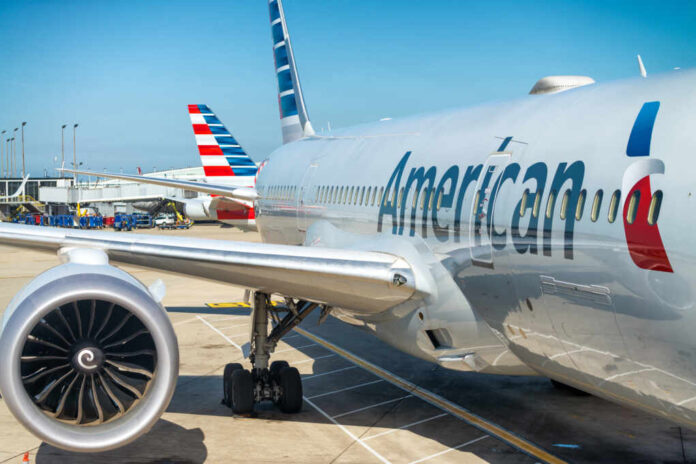
On August 23, 2025, American Airlines Flight 357, en route from Philadelphia to Phoenix, was forced to divert to Washington Dulles International Airport when smoke filled the cabin after a passenger’s personal device caught fire. The crew immediately responded, deploying a fire suppression bag to isolate the burning device, a move that likely prevented a larger catastrophe. All 160 passengers and 6 crew disembarked safely, and emergency responders met the aircraft on the runway. The Federal Aviation Administration (FAA) has opened a formal investigation into the incident.
An investigation is underway after a Saturday morning flight was forced to make an emergency landing when a passenger’s personal device burst into flames. @reenaroy reports. https://t.co/GFY1LscIeJ pic.twitter.com/Sym6qRX9t3
— World News Tonight (@ABCWorldNews) August 25, 2025
Officials have not identified the specific device responsible for the fire. However, the rapid containment demonstrates the effectiveness of current airline protocols for handling lithium-ion battery incidents. These protocols, implemented over years of safety reforms, require cabin crews to be continually trained and equipped with specialized containment bags. While all passengers escaped harm in this case, the event reignites debate over the adequacy of existing regulations and whether further restrictions on personal device use in the air are warranted.
Watch: American Airlines flight makes an emergency landing after a passenger’s device caught fire
The Growing Risk of Lithium-Ion Devices in Aviation
Incidents involving lithium-ion battery fires in personal electronics have become an increasing concern for the aviation industry. The FAA and airlines have previously responded to similar emergencies by mandating that such devices be carried in the cabin—rather than checked in baggage—so that fires can be detected and contained quickly. Despite these measures, the rising prevalence of powerful electronics on flights means the potential for dangerous battery malfunctions persists. Notably, high-profile cases like the Samsung Galaxy Note 7 recall in 2016 led to updated training and stricter passenger guidelines, but experts caution that the risk is far from eliminated.
This latest event underlines the importance of maintaining vigilance and enforcing clear safety standards. The lack of injuries on Flight 357 is a direct result of well-trained crew and available equipment, yet it also exposes the limits of relying solely on reactive measures. As more Americans travel with multiple gadgets, and as battery technology evolves, ongoing risk assessments and possibly stricter regulations may be necessary to protect both passengers and crew from future incidents.
Regulatory Response and Passenger Concerns
The FAA’s ongoing investigation will evaluate not only the root cause of the device fire but also the airline’s adherence to safety protocols. No new safety directives have been issued as of August 26, but there is renewed public attention on the risks associated with in-cabin electronics. The absence of injuries is a testament to the crew’s preparedness, but it is also a reminder that policy must keep pace with technological realities, without succumbing to bureaucratic overreach or eroding personal freedoms.
Passengers on Flight 357 faced travel disruptions but ultimately avoided harm, thanks to decisive action by airline staff. The broader flying public, however, is left to question whether enough is being done to prevent such hazardous events in the first place. As airline travel remains a staple of American life, and as the number of electronic devices in the skies increases, the call for smarter, not just stricter, safety standards grows louder. Lawmakers and regulators must balance the need for security with respect for personal choice and constitutional liberties, ensuring that the solution to one hazard does not create new injustices or overreach.
Sources:
American Airlines flight from Philadelphia makes emergency landing at Dulles after passenger’s personal device caught fire
American Airlines flight diverted after passenger’s device catches fire, FAA investigating
Smoking Device Forces Diversion
Phoenix-bound American Airlines flight diverted after fire
American Airlines Airbus A321 Device Fire Diversion to Washington