

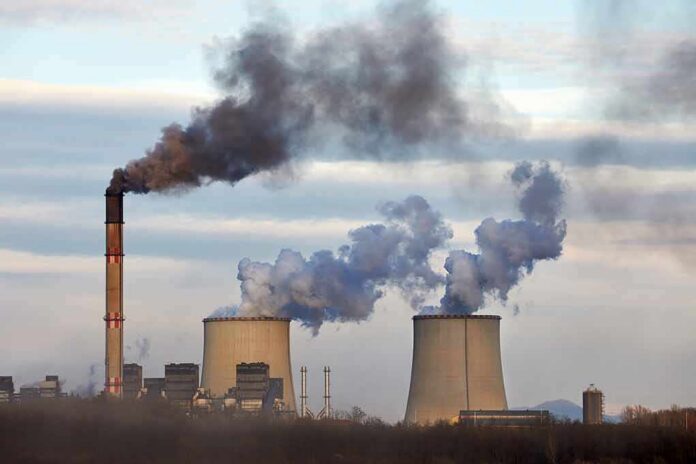
EPA’s repeal of most 2024 power-plant carbon rules shifts billions in costs and sets up a fierce legal and health fight.
Story Highlights
- EPA says the rollback fixes rules that overstepped the Clean Air Act and saves $310 billion.
- Manufacturers cheered the move as a “game changer” for costs and growth.
- Health and climate groups warn of major harms, including higher deaths and damages.
- Court battles are expected, keeping energy and price impacts uncertain.
What the EPA Repealed and Why It Says It Acted
On September 14, 2026, the Environmental Protection Agency repealed most Biden-era carbon limits for coal and gas plants. The agency said the 2024 standards demanded controls that were not “adequately demonstrated,” and thus exceeded its power under the Clean Air Act. It argued the prior rules pushed plants to retire instead of comply. EPA projected $310 billion in savings and called remaining limits burdensome with “virtually no benefit”.
EPA leaders also proposed removing the last greenhouse gas standards that were left in place. The agency framed the action as relief for the grid and industry. It said the shift would cut red tape, reduce compliance costs, and support reliable power. News coverage noted the administration’s claim that lower regulatory costs can ease electricity prices and “unleash” energy production, though those effects will take time to verify.
Support From Industry and Promised Cost Relief
Manufacturing groups quickly backed the rollback. The National Association of Manufacturers chief executive said the change “will be a game changer for the U.S. economy,” tying lower compliance costs to growth and jobs. Supporters argue cheaper power and fewer mandates can stabilize factories’ energy bills and free up capital for expansions. These claims align with EPA’s savings estimate, but independent proof of broad price cuts or job gains is not yet available.
Coverage from national outlets repeated the administration’s core pitch: reduce burdens, lower costs, and boost domestic energy. The Associated Press contrasted this with earlier approaches that counted large public-health and climate benefits from strict limits. The new policy leans on direct compliance savings and a narrower view of what the Clean Air Act allows after recent Supreme Court rulings, which have tightened how EPA can design power-sector rules.
Public-Health and Climate Pushback
Environmental and health advocates warn the repeal will raise pollution and harm people. Critics told reporters that removing greenhouse gas limits will lead to billions in public-health and environmental damages. They cite added hospital visits, missed work and school days, and increased disease risks from dirtier air. One report said the move is expected to trigger fast legal challenges that could stall or reshape the rule before effects reach consumers.
The Trump EPA just finalized a major rollback of Biden's power plant restrictions — and the real story isn't what the mainstream press is covering.
This is about: ⚡ $1.3 trillion reclaimed from a regulatory overreach 🌱 Satellite data showing a greener planet from so-called… pic.twitter.com/mbdhYS1Rjj
— Larry Dean (@larry_mcwethy) September 18, 2026
Some outlets noted prior estimates that stricter limits would prevent many premature deaths and deliver large annual benefits. That history fuels the current backlash. Opponents argue the agency is discounting those gains to favor short-term savings for plant operators. The divide reflects a deeper fight about how to count health and climate damages, and whether reduced compliance costs outweigh those broader social costs in the long run.
Legal Landscape and What to Watch Next
Court review will likely decide how far this rollback stands. The Supreme Court’s West Virginia v. EPA ruling narrowed the agency’s tools for power plants. EPA now argues the 2024 standards crossed those legal lines by relying on technology and approaches it says were not proven at scale. Lawsuits will test if EPA justified its repeal well enough and whether its cost claims can carry the day under administrative law.
Consumers and businesses should watch three things. First, whether courts stay or narrow the rule, which would delay changes. Second, how grid operators and utilities adjust fuel mixes and investment plans under looser limits. Third, if retail power prices move, and by how much, compared with trends in fuel markets. Those outcomes will show whether promised savings reach family budgets and factory floors—or get overtaken by health, climate, and legal costs.
Sources:
facebook.com, aljazeera.com, livemint.com, regulationroundup.com, cen.acs.org, theguardian.com, abcnews.com