
France’s prime minister said a state of emergency is on the table as police injuries, arrests, and looting surge nationwide.
Story Snapshot
- Prime Minister Sébastien Lecornu ordered localized night curfews and said an emergency could be declared if needed.
- President Emmanuel Macron condemned “unbridled” violence but did not declare a nationwide emergency.
- Authorities reported nearly 2,400 arrests and about 1,000 injured police and gendarmes amid widespread damage.
- The government rejected a blanket Paris curfew, opting for targeted measures to protect businesses and public buildings.
Government Signals Emergency Option, Starts With Local Curfews
Prime Minister Sébastien Lecornu said the government could declare a state of emergency if needed, but would first use partial, local curfews. He told reporters he asked prefects to trigger curfews for Monday night in selected areas. He said broad restrictions over all of Paris “would make no sense.” He framed the approach as restoring order while limiting impact on daily life. Lecornu said the cabinet was “fully resolved” to stop violence and protect property during the unrest.
President Emmanuel Macron condemned “unbridled” violence after a weekend of street clashes, arson, and looting. He authorized local bans on certain rallies “if necessary” but did not announce a national curfew or emergency. That decision set the tone for a step-by-step response. It left room for stronger action if the situation worsens, but kept the focus on tools already in French law for local order and crowd control without invoking exceptional powers.
Scale Of Violence Drives Security Choices
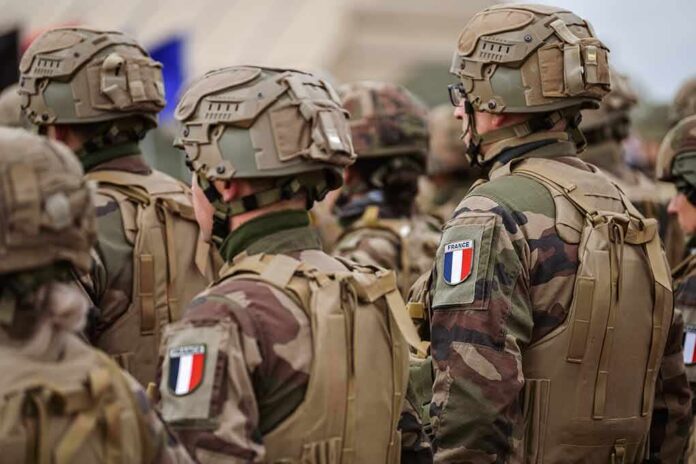
The Interior Ministry reported nearly 2,400 arrests and almost 1,000 injured police and gendarmes, including several seriously. Agencies described attacks on town halls and heavy damage to businesses. The figures show a national challenge that strains routine policing. This scale explains why leaders discussed curfews and raised the emergency option. It also raises pressure to show that targeted curfews can reduce looting and protect public buildings quickly and fairly.
Officials said curfews would be “partial” and “very localized,” but they did not release a full list of cities, districts, or hours. France 24 reported the curfews aimed to protect businesses after widespread damage. The lack of precise locations at the time of the announcement left open how fast prefects would act and how rules would vary. Clear local notices and consistent enforcement will shape how the public experiences the restrictions on the ground.
Why Curfews Versus A Formal State Of Emergency Matters
France’s choice between local curfews and a formal emergency carries legal and political weight. France’s 1955 emergency law, adopted during the Algerian War, allows curfews, movement controls, house arrests, and searches that go beyond ordinary policing. Courts later required measures to be necessary, appropriate, and proportionate. Using local curfews without a national emergency avoids that stigma, but still restricts movement in specific areas to calm the streets.
🚨 🇫🇷 FRANCE MOVES CLOSER TO EMERGENCY POWERS AS RIOTS HIT MARKETS AND BUSINESS CONFIDENCE
PM Sébastien Lecornu said: “IF DECLARING A STATE OF EMERGENCY IS DEEMED NECESSARY, WE WOULD DO SO.” France has made about 2,400 arrests after its worst unrest in years, while 60,000… pic.twitter.com/bvksqQ8wnV
— Naeem Aslam (@NaeemAslam23) October 19, 2026
Past crises show how fast the line can shift. During the 2005 riots, the government declared a nationwide emergency after intense nightly violence. Prefects then used curfews and other limits until early 2006. Today’s leaders are trying a narrower path first. If looting and attacks continue, pressure for a broader move will grow. If targeted curfews reduce clashes, the government can argue it met the moment without reaching for the heaviest tool.
Sources:
insiderpaper.com, abcnews.com, haberintelifi.aa.com.tr, france24.com, nbcnews.com, theweek.in, cambridge.org, academic.oup.com, tandfonline.com