
As protests over living costs turned violent in France, looters hit shops in Paris and beyond, putting public order and small business security under strain.
Story Snapshot
- Looting and vandalism struck Paris during nationwide cost-of-living protests.
- Reporters saw windows smashed and goods thrown to crowds near central Paris.
- Targets included major retailers such as Galeries Lafayette and Lacoste, per one outlet.
- Paris officials condemned damage while noting most protesters were peaceful.
What Happened During the Paris Unrest
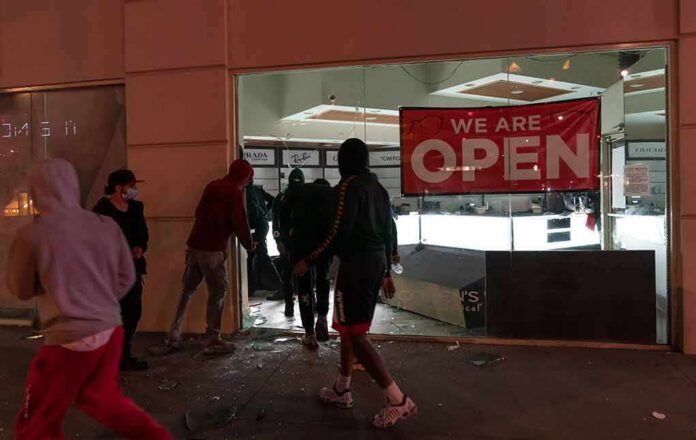
Agence France-Presse reported that groups attacked shuttered stores and looted scores of shops as protests flared on a Saturday in Paris and other cities. Journalists on the ground described smashed windows, scattered goods, and clashes between police and small groups that broke from larger marches. One correspondent saw a skincare shop window crash near Place de la République, with people throwing products into the crowd. A nearby phone retailer was also breached, and devices were tossed outside.
CNBC reported attempted break-ins and damage at well-known brands in Paris, including efforts to force entry at Galeries Lafayette, ransacking of a Lacoste store, and looting at an SFR mobile-phone shop. Paris deputy mayor Emmanuel Grégoire said most demonstrators came to march calmly, but vandalism tarnished the event and left streets devastated in parts of the city. These accounts align with a familiar protest pattern: large peaceful crowds with a smaller fringe that turns violent.
Who Was Affected and Where
Reports described a mix of targets, not only luxury boutiques. Incidents involved cosmetics vendors, clothing chains, electronics sellers, mobile-phone shops, pharmacies, and supermarkets. That range matters for understanding harm. Family-run stores, workers, and shoppers often bear the brunt when unrest spills into looting. In Paris, the named sites span central shopping areas, including near Place de la République and the broader retail zones that draw both residents and tourists. The full list of affected premises remains incomplete.
AFP noted unrest and looting in multiple cities, including Marseille, where an Hermès storefront was hit, while crowds in Paris pushed toward the Champs-Élysées, a hub for flagship luxury stores. Cross-city reporting can blur lines between locations, but the shared thread is stress on public safety and local commerce. Police responses, business closures, and transit delays often follow, adding costs for working people who rely on predictable routines.
Why This Matters for Ordinary People
Protesters rallied against rising prices and social strain, reflecting pressures that many households feel across Europe and the United States. CNBC highlighted the economic grievances behind the marches, which drew large crowds nationwide. When a small group turns to looting, it shifts the focus from those pocketbook issues to street disorder. That shift can harden politics, fuel crackdowns, and crowd out debate on wages, taxes, housing, and energy bills that sparked the marches.
🇫🇷 Paris Unrest: Galeries Lafayette Reportedly Hit by Looting!
Footage circulating online reportedly shows looting at the iconic Galeries Lafayette department store in Paris, raising concerns over security amid unrest in the French capital.#Paris #France #GaleriesLafayette…
— D® Phil (@philabouzeid) October 18, 2026
Americans know this cycle well. People on the right and left both worry that institutions answer last to regular workers. They see headlines about chaos and elite brands, while small shop owners and hourly staff pay for broken glass and lost shifts. City leaders condemn violence and defend peaceful protest, yet residents still face closed stores and higher insurance costs. The result is a deeper sense that government keeps missing the root problems while order frays at the edges.
How Today Echoes Past Paris Flashpoints
France has faced this tension before. During the Yellow Vest protests in 2019, Reuters reported looting and arson along the Champs-Élysées, with dozens of shops damaged, even as officials stressed that a violent core did not represent most marchers. That history shows how fast a protest over economic pain can tip into scenes that dominate screens and politics. The lesson is simple: protect the right to protest, protect public safety, and confront the costs that push people into the streets.
Sources:
instagram.com, afp.com, news.com.au