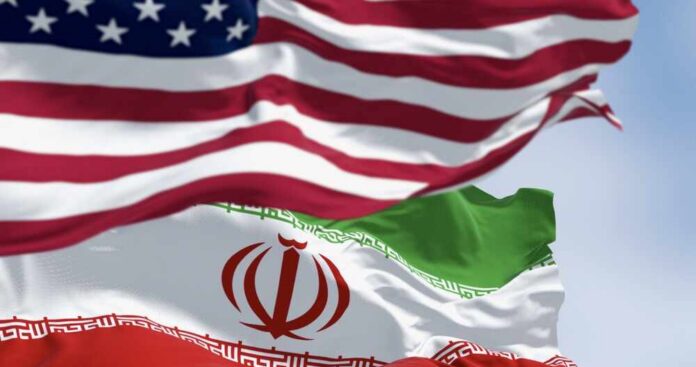
President Trump’s unpredictable Iran strategy delivers tangible results, forcing Tehran to the negotiating table amid economic devastation and military setbacks.
Story Highlights
- Jesse Watters declares “Total Victory Over Iran” after Trump terminates ceasefire, crediting aggressive pressure tactics.
- U.S. blockade in Strait of Hormuz costs Iran $5 billion, holds up 400 oil tankers, and destroys six Iranian boats.
- Iran submits new peace proposal and signals nuclear talks, fracturing internal leadership between moderates and hardliners.
- Watters praises Trump’s high-risk approach as superior to Biden-era restraint, emphasizing unpredictability as key leverage.
Watters Backs Trump’s Aggressive Threats
President Trump threatened to bomb Iranian power plants and bridges unless a deal materialized. Fox News host Jesse Watters praised this on “The Five,” arguing the President knows what he is doing. Watters framed Trump’s surprise announcement as calculated unpredictability that disrupts Iranian planning. This approach contrasts sharply with the Biden-Harris administration’s failed restraint, positioning Trump as decisive against a long-standing threat. Conservatives view such strength as essential for American security and energy independence.
Blockade Inflicts Severe Economic Damage
U.S. forces enforce a Strait of Hormuz blockade, destroying six Iranian boats and holding approximately 400 oil tankers. Pentagon assessments estimate $5 billion in costs to Iran from disrupted exports. The “Project Freedom” initiative escorts neutral ships, protecting global trade while pressuring Tehran. Iranian retaliation includes seizing Swiss and Greek vessels and mine threats, dismissed by Watters as bluffs from a decimated force. This asymmetric pressure exploits U.S. military superiority, aligning with America First priorities over globalist appeasement.
Diplomatic Shifts Signal Pressure Success
Iran initially refused talks during the blockade but submitted a new peace proposal. Tehran signaled willingness to open the Strait and discuss nuclear issues, with second-round talks anticipated. Trump extended then terminated the ceasefire, framing it as victory since Iran’s government fractured and requested attack pauses. U.S. negotiators, including hawk Nick Stewart, demand uranium removal. Moderates gain leverage amid economic desperation, while hardliners resist. Trump promises a “golden age” of oil upon resolution, addressing high energy costs from past renewable policies.
Watters mocked Iranian capabilities calling them a “crusty crew of swashbucklers.” He declared total victory in May 2026, despite ongoing nuclear uncertainties. This narrative amplifies conservative media support for maximum pressure on an existential nuclear threat.
Jesse Watters Reacts to Trump’s Surprise Iran Announcement: ‘The President Must Know What He’s Doing’ https://t.co/MD0v5PVGt9
— Mediaite (@Mediaite) May 6, 2026
Unresolved Risks and Broader Implications
Skeptics question victory claims as premature, noting Iran’s continued operations and asymmetric risks like proxies, cyber attacks, or terrorism. Blockade sustainability draws military analyst concerns in the confined Strait environment. Global oil volatility and neutral nation strains highlight elite failures to prioritize American interests. Yet, Iranian negotiation shifts validate pressure over diplomacy alone. Both conservatives frustrated by globalism and liberals wary of endless wars share distrust in a government more focused on elite power than citizen prosperity. A comprehensive nuclear deal remains uncertain, but Trump’s strategy restores U.S. credibility.
Sources:
Jesse Watters praises Trump’s Iran approach and advocates bombing Iranian power plants
Fox News host Jesse Watters pirates