
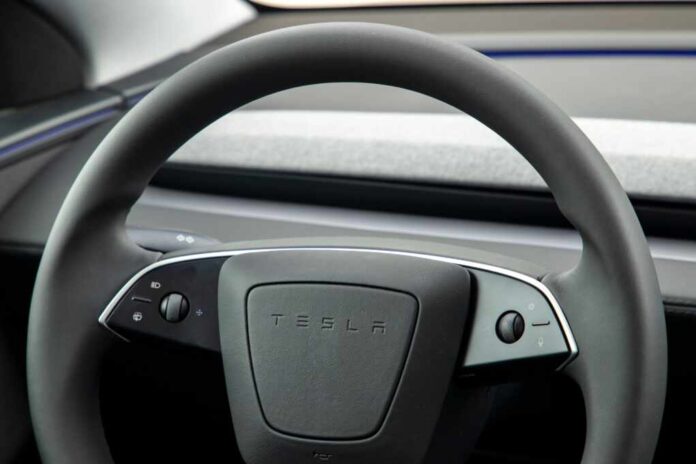
Tesla’s reintroduction of the controversial ‘Mad Max’ mode amid ongoing safety investigations raises significant concerns about aggressive driving and regulatory oversight.
Story Snapshot
- Tesla’s ‘Mad Max’ mode, part of the Full Self-Driving suite, promotes aggressive driving.
- Mode reintroduced despite active investigations by NHTSA and California DMV.
- Reports of the mode violating traffic laws shortly after release.
- Ongoing debate over innovation versus safety in autonomous vehicle technology.
Tesla’s Aggressive Mode Under Fire
In October 2025, Tesla reintroduced its infamous ‘Mad Max’ mode, part of the Full Self-Driving (FSD) system, despite existing regulatory scrutiny. This mode, known for promoting aggressive driving behaviors like exceeding speed limits and frequent lane changes, was previously linked to a recall in 2022 due to safety concerns. The National Highway Traffic Safety Administration (NHTSA) and the California Department of Motor Vehicles (DMV) are currently investigating Tesla’s driver-assistance technologies following numerous accidents and wrongful death claims.
Tesla enthusiasts and safety advocates remain divided over the ‘Mad Max’ mode’s return. While some users appreciate its ability to handle heavy traffic assertively, others condemn it as reckless, pointing to its capability to break traffic laws. Within hours of the feature’s re-release, videos surfaced showing Tesla vehicles performing rolling stops and speeding, triggering further public safety concerns.
Watch: 2.9 Million Tesla Cars Face Probe After Owners Report Accidents Involving Self-Driving Mode
Regulatory Scrutiny and Public Reaction
The decision to bring back ‘Mad Max’ mode comes at a time when Tesla is under intense regulatory pressure. The NHTSA has launched multiple investigations into Tesla’s driver-assistance systems, with the latest probe covering nearly three million vehicles due to reports of traffic violations and crashes. This scrutiny is part of a broader regulatory challenge as agencies strive to keep up with rapid advancements in autonomous vehicle technology.
The controversy highlights a significant challenge for the automotive industry: balancing innovation with safety. While Tesla aims to stay at the forefront of autonomous technology, the company’s aggressive features could lead to increased liability and higher insurance costs for both the manufacturer and its users. This situation underscores the need for robust regulatory frameworks that can adapt to technological advancements without compromising public safety.
Future Implications for Autonomous Driving
The reintroduction of ‘Mad Max’ mode may have far-reaching implications for Tesla and the broader autonomous vehicle sector. If regulatory bodies impose stricter controls or recall measures, it could affect Tesla’s market position and investor confidence. Additionally, the ongoing debate over the ethics and safety of such technologies may slow industry-wide adoption of advanced driver-assistance systems.
As the public discourse continues, it remains to be seen how Tesla will address these challenges and what regulatory measures will be enacted to ensure both innovation and safety in autonomous driving.
Sources:
Tesla Revives Controversial ‘Mad Max’ Mode Despite Safety Scrutiny
Tesla ‘Mad Max’ Full Self-Driving Mode Ignores Speed Limits
Tesla Self-Driving ‘Mad Max’ Mode
Tesla’s ‘Mad Max’ Mode Under the Microscope: US Regulators Take Action