
A new strategy aims to deter illegal immigration by painting the border wall black, igniting debate over its effectiveness and cost.
Story Highlights
- The U.S. border wall will be painted black to deter climbers through increased heat absorption.
- The initiative is a direct request from President Donald Trump, aiming to enhance border security.
- Homeland Security Secretary Kristi Noem announced the project, citing dual benefits of deterrence and durability.
- Critics question the measure’s efficacy and potential humanitarian impacts.
New Deterrent Strategy for Border Security
On August 19, 2025, Homeland Security Secretary Kristi Noem announced that the U.S. southern border wall would be painted black, acting on President Donald Trump’s directive. The intent is to make the wall absorb more heat, discouraging illegal crossings by making it too hot to climb. This initiative marks a unique approach in border security, leveraging environmental factors as a deterrent.
Secretary Noem emphasized that in addition to deterring illegal crossings, the black paint would extend the wall’s lifespan by protecting it from weather-related wear. This announcement reflects the administration’s continued focus on physical barriers to enhance security at the southern border. The project is still in its planning stages, with DHS coordinating logistics for the extensive painting task.
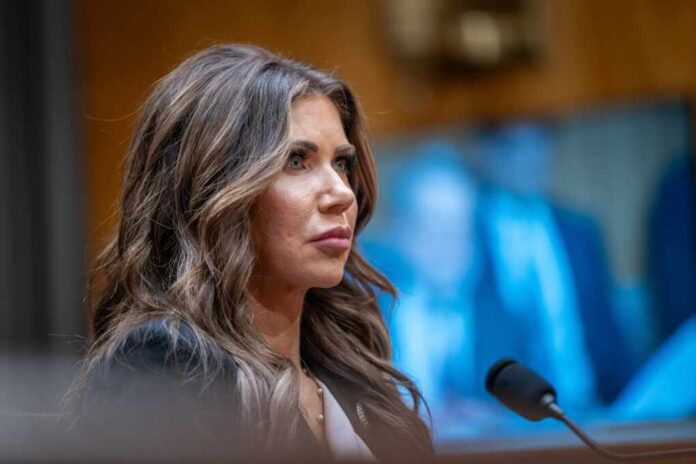
Homeland Security Secretary Kristi Noem said the entire southern border wall will be painted black, so it will get hot in the sun and "make it even harder for people to climb."
"That is specifically at the request of the president." https://t.co/fDAt90dmk6 pic.twitter.com/rZZZhZ3SVx
— ABC News (@ABC) August 19, 2025
Reactions and Criticisms
The announcement has sparked varied reactions. Supporters argue that any measure enhancing border security is worthwhile, seeing it as a necessary step to uphold national laws and protect U.S. sovereignty. However, critics are skeptical about the measure’s practical impact, noting potential humanitarian concerns and the project’s financial implications.
Civil rights groups and some security experts have expressed doubts about the effectiveness of using heat as a deterrent. They argue that the wall’s physical structure and height are more critical factors in preventing crossings. Additionally, environmental concerns have been raised about the increased heat absorption affecting local wildlife and potentially escalating regional temperatures.
Watch: US-Mexico border wall will be painted black to make it “harder for people to climb”: Kristi Noem
Future Implications
As the project progresses, its success will largely depend on its execution and the actual deterrent effect during peak heat months. If effective, it may lead to a reduction in illegal crossings, although the long-term impact remains uncertain. Increased maintenance costs and potential legal challenges could arise, affecting the project’s sustainability and public support.
The broader implications of this initiative could extend beyond the U.S., potentially influencing global border security strategies. The project might prompt other nations to consider unconventional methods in their border enforcement policies. As the debate continues, the Trump administration’s hardline stance on immigration remains a focal point of political and public discourse.