A headline claiming prosecutors have video of Charlie Kirk’s killer taking the shot is colliding with a harder reality: the public evidence so far appears to show movements before and after the attack, not the trigger pull itself.
Quick Take
- Prosecutors in the Tyler James Robinson case have pointed to multiple videos that build a timeline around the UVU shooting that killed conservative activist Charlie Kirk.
- The footage of Robinson shows arriving on campus and later fleeing a rooftop toward a wooded area where a rifle was recovered, plus a gas-station stop hours later.
- No clear camera footage that directly captures the moment the shot was fired from a “sniper’s perch,” despite more sensational framing online.
- The defense is pressing issues that could shape trial fairness arguments, including claims about missing or deleted “surrender” video and disputes over courtroom cameras.
What prosecutors say the videos show—and what’s actually documented
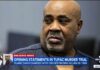
Utah prosecutors pursuing an aggravated murder case against Tyler James Robinson are leaning heavily on video evidence to map out a step-by-step narrative surrounding Charlie Kirk’s killing at Utah Valley University. The most careful descriptions in mainstream coverage outline separate clips: video placing Robinson in the area, video showing post-shooting movement away from the rooftop, and surveillance showing him later during the manhunt. Some commentary compresses those pieces into a single, more dramatic “caught on camera taking the shot” claim.
Court-focused coverage has described a gas-station surveillance clip from the morning after the shooting that allegedly shows Robinson fueling up in Cedar City, roughly 200 miles south of the campus. Investigators have reportedly used financial tracking to locate that footage and have said the short stop did not show obvious evidence disposal. That kind of video can be powerful in court because it locks down time, place, clothing, and vehicle details, but it still functions as circumstantial timeline support rather than direct proof of the shooting itself.
Rooftop escape footage points to the wooded area and a recovered rifle
Officials have also described video that shows a figure fleeing from a rooftop and moving toward a wooded area across the street. Reporting on that sequence ties the flight path to where law enforcement later recovered a Mauser Model 98 .30-06 rifle. Authorities have said forensic traces like palm prints and DNA smudges were found on the rooftop area, reinforcing the state’s contention about where the shooter was positioned. Even so, the described footage appears to capture escape and direction of travel, not the firing moment.
This distinction is not a technicality. In a case involving a high-profile conservative figure, trust in institutions is already fragile across the political spectrum, and public confidence can be damaged when headlines overstate what evidence exists. Conservatives who have watched federal and legacy institutions mishandle major stories in the past will recognize the risk: if the public is sold a “smoking gun” video that doesn’t actually show the shot, that gap becomes fuel for online speculation and for claims that the system is shaping perception instead of sticking to verifiable facts.
The arrest timeline and the family’s role in the surrender
Reporting indicates Robinson was arrested the evening after the shooting in Washington, Utah, after family members recognized him from released photos and encouraged him to surrender. That element is significant because it shows an off-ramp from the manhunt that did not rely solely on force, and it also sets up a major dispute in the case: whether any video exists of the surrender moment and whether it was preserved. The Washington County Sheriff’s Office has said a surrender video is unavailable due to a 30-day retention window expiring, a detail now under scrutiny.
Trial fights over cameras and “missing evidence” raise system-trust questions
As the case proceeds into 2026, the defense has filed motions that touch on courtroom cameras and evidence handling. One thread in the public reporting is the defense view that certain video—especially surrender-related material—could matter for mitigation in a death-penalty case by showing demeanor and context. Another thread is the argument that televised proceedings can prejudice a jury pool and tilt public perception. When Americans across ideologies already suspect the “elites” and entrenched systems protect themselves first, sloppy retention policies or unclear disclosures can deepen the belief that government institutions are not built for transparency.
Prosecutors Reveal Camera Footage that Shows Captured Tyler Robinson Going to Sniper’s Perch, Taking Shot that Killed Charlie and then Running Off to Wooded Areahttps://t.co/BgKCsNenMb pic.twitter.com/BNP91555zQ
— P. J. Lofland (@pamjlofland) April 19, 2026
For the public, the practical takeaway is simple: separate what is proven from what is implied. The documented videos described in reporting can still be highly consequential—arrival, escape route, and post-event travel can create a tight evidentiary chain when paired with forensics. But based on the provided sources, claims of footage that directly shows Robinson taking the fatal shot have not been clearly substantiated in the more detailed accounts. In a politically charged murder trial, precision about what evidence does and does not show is the only path that preserves credibility.
Sources:
Video shows Tyler Robinson during manhunt for Charlie Kirk’s shooter
2News Investigates discovers possible missing evidence in Charlie Kirk murder case