President Trump holds the power to shatter Iran’s oppressive regime with unprecedented military, cyber, and psychological options amid raging protests for freedom.
Story Highlights
- Trump briefed on airstrikes targeting IRGC suppressors, cyberattacks, and psychological ops to back Iranian protesters facing deadly crackdowns.
- Protests erupted in December 2025, with hundreds killed; Trump warns of U.S. intervention if the regime escalates lethal force.
- Diplomacy leads, but Trump readies “very strong options” including leadership strikes, as Iran privately seeks talks despite public threats.
- U.S. troops are at risk, yet Trump’s resolve tests the regime’s grip, offering hope for Iranian liberty without endless wars.
Protests Ignite Iran’s Powder Keg
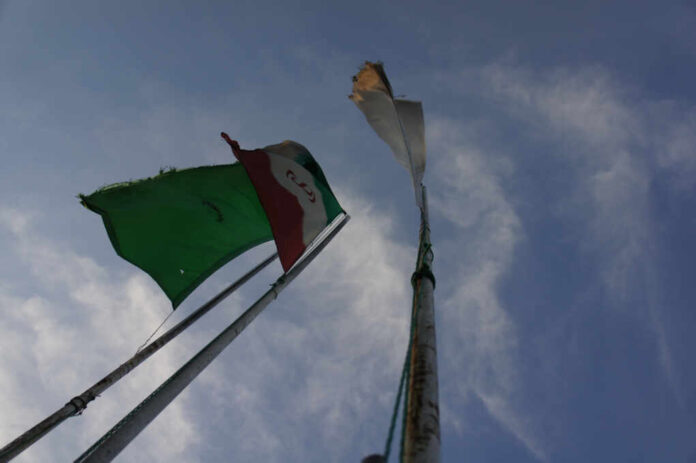
Anti-regime protests swept Iran starting December 2025, fueled by economic collapse and brutal oppression echoing the 2022 Mahsa Amini uprising. The death toll hit hundreds by January 12, 2026, per humanitarian reports, as IRGC Basij forces crushed demonstrators. President Trump monitored from day one, posting on Truth Social that Iran eyes “FREEDOM” with U.S. readiness to assist. This surge tests the ayatollahs’ hold, built on decades of hostility since 1979 including proxy wars and nuclear defiance. Trump’s second-term vigilance revives his proven maximum pressure strategy that crippled Tehran’s ambitions before.
Trump’s Arsenal of Precision Options
Pentagon officials briefed Trump late January 12 on conventional airstrikes against IRGC and police targets, plus potential strikes on leadership figures. Cyberattacks target Iran’s digital backbone, while psychological operations disrupt command chains, communications, and state propaganda. Covert actions amplify these non-kinetic tools, focusing on protest suppressors unlike Trump’s prior 2025 nuclear site hits. No decisions reached; White House convened Tuesday for updates. Press Secretary Karoline Leavitt stressed diplomacy first, yet affirmed readiness for military action. This integrated approach empowers targeted pressure without broad invasion.
Watch:
Regime’s Defiance Meets Backchannel Pleas
Supreme Leader Ayatollah Ali Khamenei vowed no retreat, while Parliament Speaker Mohammad Bagher Ghalibaf threatened U.S. bases housing 30,000 American troops across Iraq and Syria. Trump countered on January 9 that Iran faces “big trouble” if killings mount, pledging U.S. involvement. Yet Iranian FM Abbas Araghchi quietly contacted envoy Steve Witkoff for talks, hinting at regime fractures. Trump noted January 11 their negotiation interest. Public bluster masks private outreach, as 2025 precedents like Soleimani’s elimination and sanctions prove Trump’s leverage deters endless escalation while protecting U.S. interests.
US President Trump has been briefed on a wide array of military and covert tools that can be used against Iran that go well beyond conventional airstrikes, according to two Defense Department officials.https://t.co/3HF3fM2JGh
— ConflictLive (@conflict_live) January 13, 2026
Implications for Freedom and Security
Short-term, these options could fracture IRGC control and aid protesters via influence campaigns, though risks unify Iranians against outsiders. Long-term, sustained efforts weaken the regime, fostering potential change without U.S. boots on ground. U.S. troops face retaliation threats, yet energy markets brace for Gulf volatility. Experts like ex-Pentagon official Mick Mulroy urge IRGC Basij focus for intel gains. Sen. Mark Warner cautions strikes might rally support for mullahs, favoring global pressure. Trump’s blend tests intervention limits, prioritizing American safety and Iranian self-determination rooted in liberty’s defense.
Sources:
Trump briefed on military, cyber, psychological options for Iran, sources say – Politico
Trump briefed on military, cyber, psychological options for Iran, sources say – CBS News
Military options Trump weighing for Iran after warning of ‘big trouble’ – ABC News